Microsoft Debuts AI-Powered Quake II Demo with Limitations
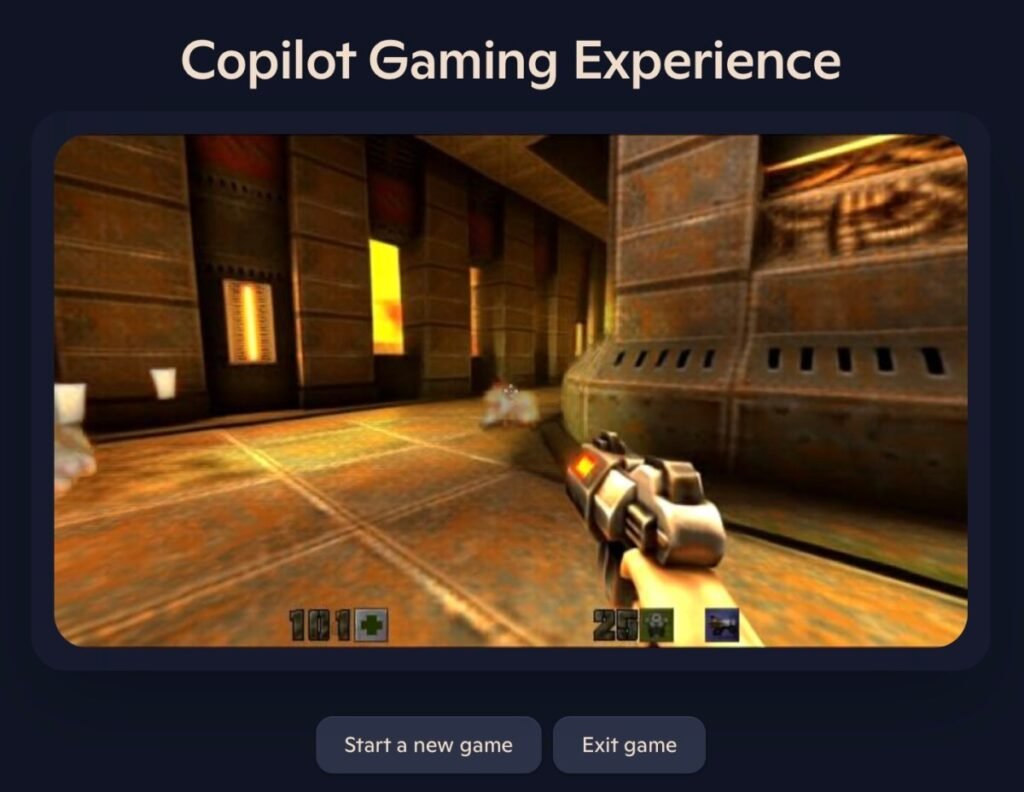
Microsoft has unveiled a browser-based technical demonstration allowing users to navigate a single level of the classic shooter Quake II via its Copilot AI platform. The project serves as a showcase for the company’s Muse family of models, designed to simulate interactive gaming environments in real-time.
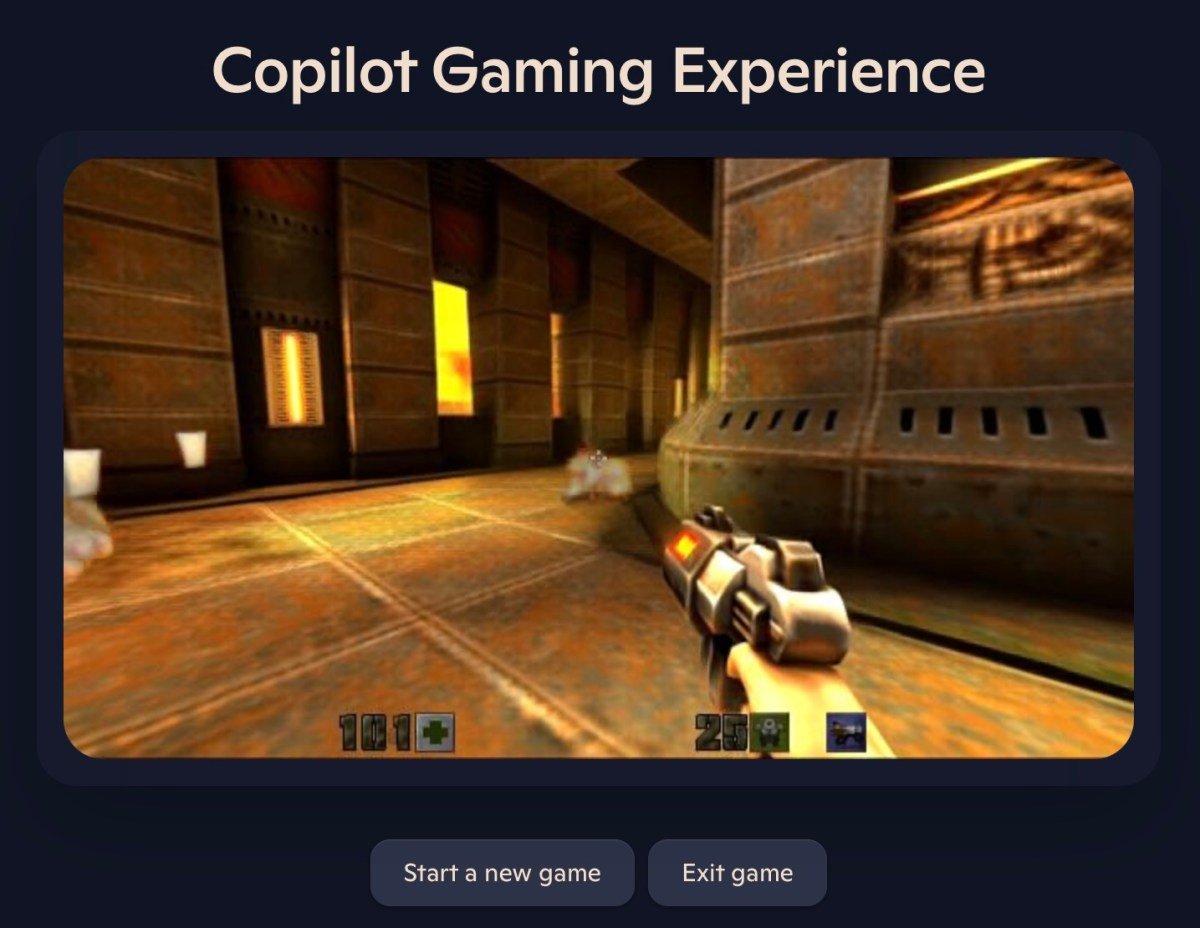
The demo, which is currently available to play online, restricts sessions to a few minutes before reaching a time limit. By leveraging the intellectual property Microsoft acquired through ZeniMax, researchers trained the AI to recognize and replicate standard player movements, including jumping, crouching, shooting, and interacting with environmental objects like barrels.
The Reality of AI-Simulated Worlds
While the project demonstrates the ability to “play inside the model,” Microsoft researchers are tempering expectations. They explicitly frame the experiment as “playing the model” rather than engaging with a traditional video game. The team acknowledged several technical hurdles inherent in their current approach:
- Object Permanence: The model frequently loses track of items or structures that have been out of view for 0.9 seconds or longer.
- Visual Fidelity: Enemies often appear blurred or distorted during gameplay.
- Accuracy: Core game mechanics, such as health counters and damage tracking, remain unreliable.
Interestingly, the research team suggests these technical gaps can sometimes create unintended gameplay loops. For example, players can effectively “teleport” or manipulate enemy spawns simply by shifting their camera view toward the floor or sky, causing the AI to reset its internal representation of the scene.
Industry Skepticism on Game Preservation
The debut of the demo has reignited debates regarding the role of AI in game preservation. This initiative follows comments from Microsoft Gaming CEO Phil Spencer, who previously suggested that AI models could eventually help make classic titles “portable to any platform.”
Game designer Austin Walker offered a sharp critique of this perspective, arguing that such models fail to capture the essence of what makes a game functional. In a social media post, Walker highlighted that the “internal workings” of a game—its code, specific design choices, and 3D architecture—are what allow for the unpredictable “edge cases” that define the player experience.
For those testing the software, the current results often mirror these concerns. Users have reported instances of becoming trapped in environments or experiencing navigation failures, illustrating the gap between a generative simulation and the robust, deterministic design of the original 1997 title. Microsoft maintains that this remains a “research exploration,” emphasizing the experimental nature of using AI to model interactive spaces.