Patreon CEO Slams AI ‘Fair Use’ Claims as Bogus
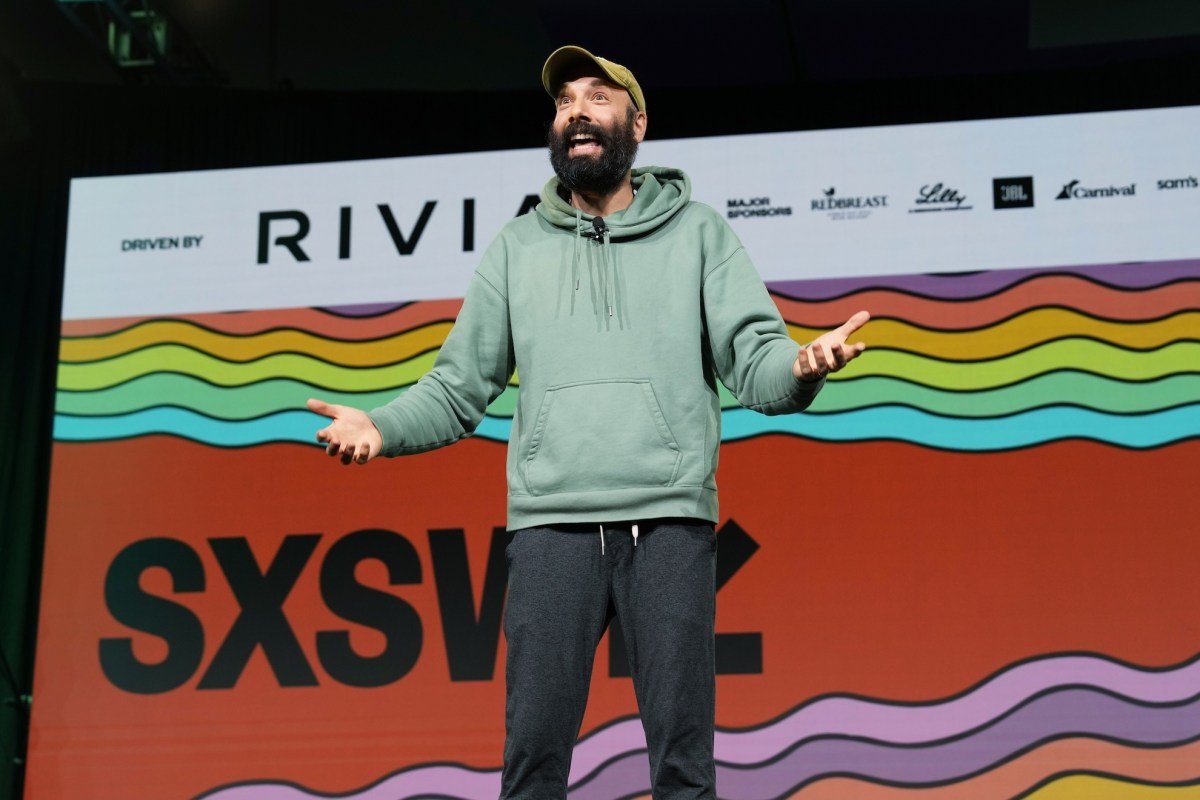
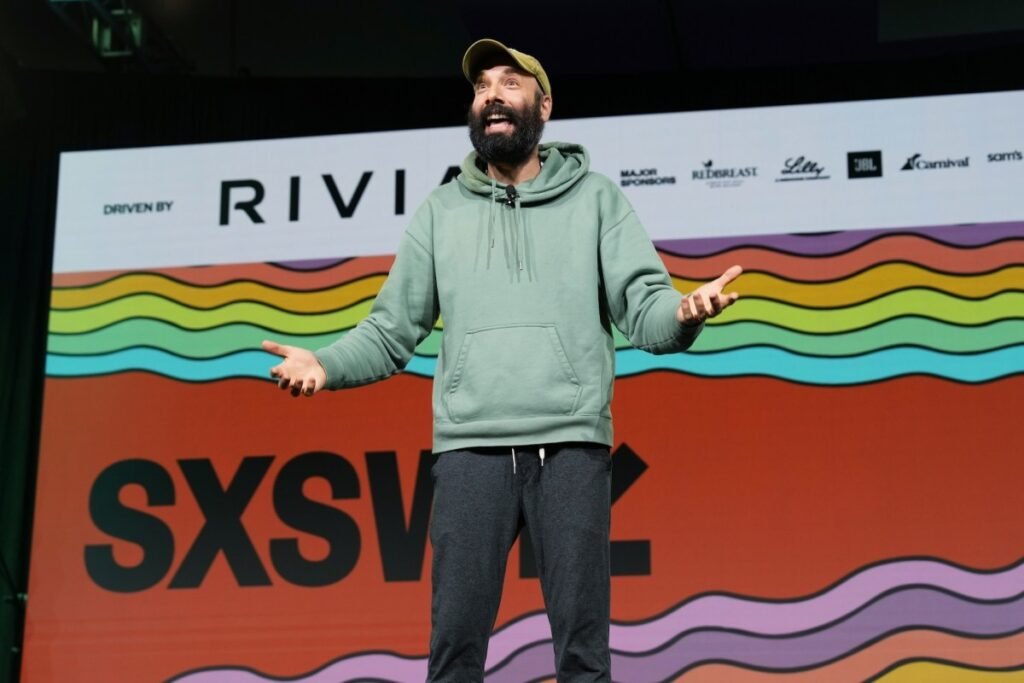
Patreon CEO Jack Conte has challenged the artificial intelligence industry’s reliance on “fair use” as a legal justification for training models on human-generated content. Speaking at the SXSW conference in Austin, the executive labeled the argument as fundamentally flawed and hypocritical.
The Contradiction of Corporate Licensing
Conte’s critique centers on the disparity between how AI firms treat individual creators versus major media conglomerates. He pointed out that while these companies use the “fair use” defense to scrape data from independent artists, they simultaneously secure multi-million dollar licensing agreements with massive entities like Disney, Condé Nast, Warner Music, and Vox.
The Patreon founder questioned the logic behind these selective payments: “If it’s legal to just use it, why pay? Why pay them and not creators—not the millions of illustrators and musicians and writers—whose work has been consumed by these models to build hundreds of billions of dollars of value for these companies?”
Navigating Technological Disruption
Despite his firm stance on compensation, Conte emphasized that he is not opposed to technological progress. Drawing on his own background as a musician and entrepreneur, he framed the current AI surge as the latest in a long series of shifts that have reshaped the creative landscape, such as the transition from iTunes to streaming or the rise of vertical video formats.
Conte noted that his motivation for founding Patreon was rooted in the necessity of finding viable revenue models for creators during times of change. He remains optimistic about the resilience of the human creative spirit, even as AI capabilities continue to evolve.
A Future for Human Creativity
The executive’s manifesto highlights two core points regarding the future of the industry:
- Economic Fairness: Societies that incentivize and financially reward creativity are inherently stronger and more vibrant.
- Human Distinction: While Large Language Models (LLMs) excel at predicting patterns based on existing data, Conte argues that true artists do not simply “play back” what already exists; they build upon history to push culture forward.
Ultimately, Conte called for a framework that ensures creators are included in the economic planning of the AI-driven future. He believes that while the technology itself may be transformative or even beneficial, its development should not come at the expense of the people who provide the foundational work fueling these systems.