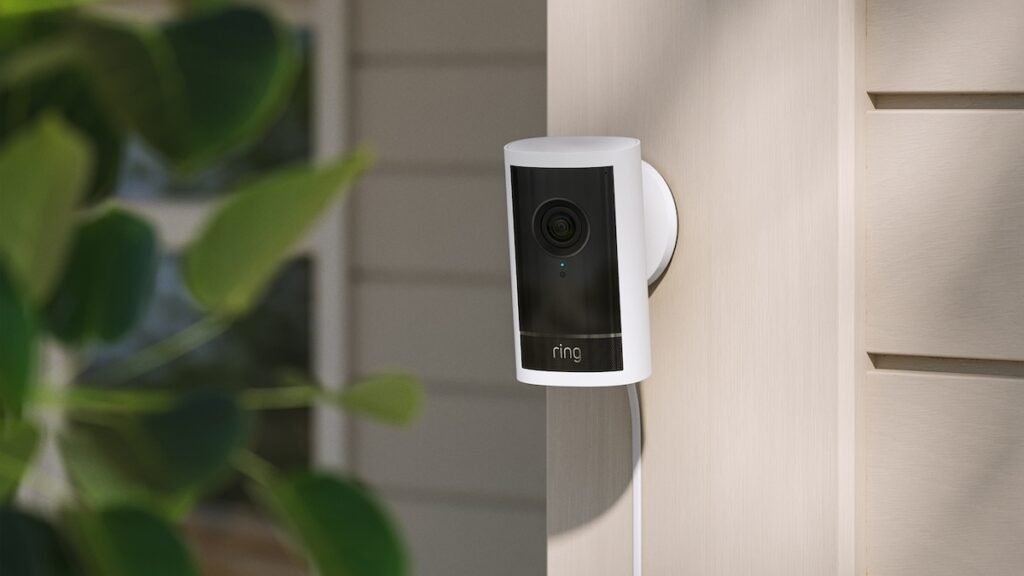
Ring launches app store to turn cameras into AI tools
Amazon-owned Ring is leveraging its massive network of over 100 million active cameras to launch a dedicated app store. This new platform allows third-party developers to build AI-powered software that extends the functionality of Ring hardware beyond basic home security, targeting sectors ranging from elder care to commercial operations.
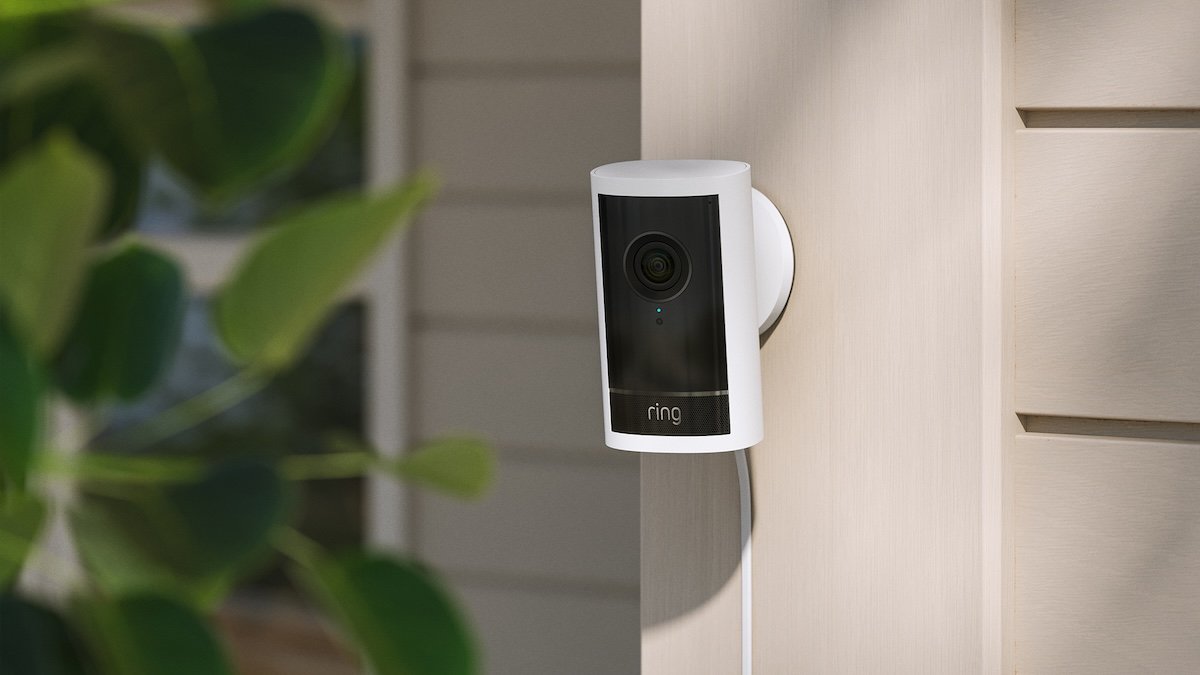
Initially teased during the Consumer Electronics Show in January, the initiative coincides with Ring’s strategic pivot toward business-oriented security solutions. By utilizing advanced AI to process real-time visual and audio data, the company aims to provide users with actionable insights in specific scenarios.
Expanding Beyond Security
The store debuts with approximately 15 initial applications, with plans to scale to hundreds across diverse categories by the end of the year. Developers can submit tools via Ring’s developer portal. Key examples include:
- Routines (by Density): Designed for elder care, this app helps families monitor aging relatives by flagging potential falls or unusual activity patterns.
- QueueFlow: Provides businesses with operational metadata to monitor customer traffic, identify queue bottlenecks, or detect after-hours anomalies.
- Minut: Assists Airbnb hosts by integrating camera data with sensors that track noise levels and environmental temperature.
- Specialized AI tools: Options include WhatsThatBird.AI for wildlife identification, Lumeo for people counting, and Package Protect for tracking deliveries.
Privacy Constraints and Market Scrutiny
Ring founder and CEO Jamie Siminoff emphasized that the platform is designed to unlock value for customers while navigating the complex landscape of privacy concerns. In response to public backlash against surveillance technology, Ring has explicitly banned certain categories of software.
“We’re trying to be careful to make sure that it is being used for apps that deliver value to the customer,” Siminoff stated. “Certainly, we have to listen to what’s happening out in the market and the scrutiny.” Consequently, the store will not permit privacy-invasive features such as facial recognition or license plate tracking.
This cautious approach follows previous controversies involving data-sharing partnerships with law enforcement, including a canceled collaboration with Flock Safety and ongoing criticism from privacy advocates regarding the company’s ties to firms like Axon.
Platform Economics
The new marketplace will be accessible through the Ring app for iOS and Android, initially launching exclusively for U.S. customers. Notably, the integration process avoids standard in-app purchase commissions associated with Apple or Google.
Since Ring is not the direct distributor—users typically download partner apps to access the new functionality—it bypasses platform fees. Instead, Ring will generate revenue by taking a 10% commission on sales directed through its platform. Siminoff indicated that the company remains flexible regarding business models, welcoming developers who prefer one-time fees, subscriptions, or ad-supported structures.
“It’s not just that Ring is doing an app store,” Siminoff said. “It’s that Ring has a lot of cameras out there, and so therefore it is a big enough surface area that if developers do write something, they can get a decent number of customers.”