High School Student Launches Minecraft AI Benchmark Tool
Traditional AI benchmarks are increasingly struggling to capture the true capabilities of modern generative models. To address this, high school senior Adi Singh has developed Minecraft Benchmark (MC-Bench), a creative platform that uses the world’s best-selling video game to evaluate how well different AI systems follow instructions and execute complex tasks.
How the Benchmark Works
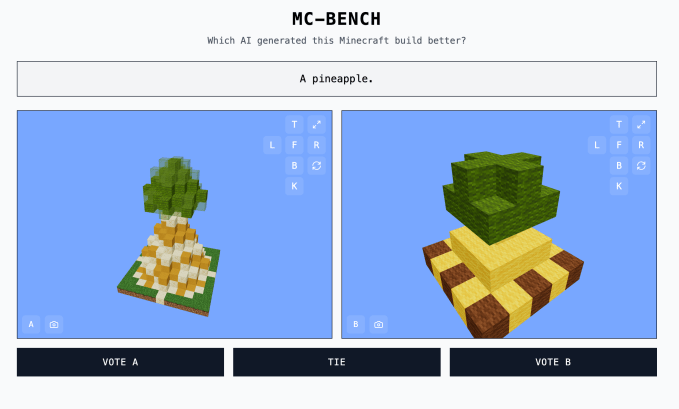
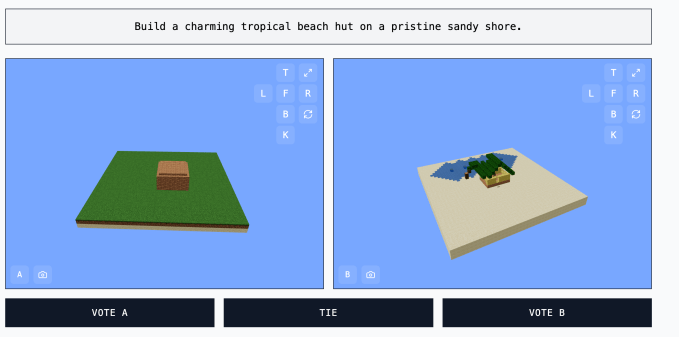
The platform functions as a competitive arena where AI models are pitted against one another in blind tests. Users provide a prompt, and the models generate a Minecraft-based build. Crucially, observers vote on the quality of the output before the system reveals which AI was responsible for each creation. This method aims to remove brand bias from the evaluation process.
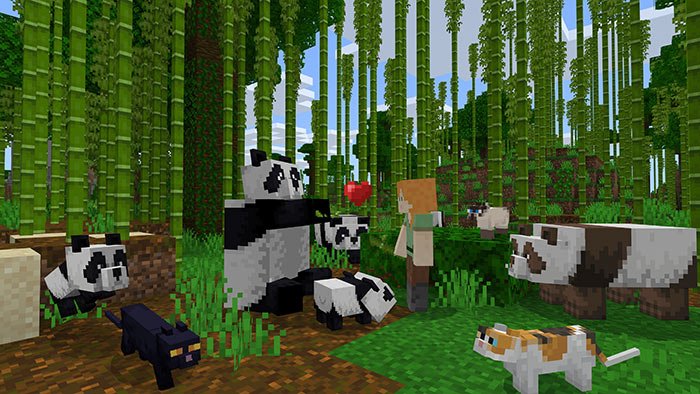
According to Singh, the familiarity of Minecraft is its greatest asset as an evaluation tool. Even for those without gaming experience, the visual nature of the builds makes it simple to compare the performance of different models. “Minecraft allows people to see the progress [of AI development] much more easily,” Singh explained. “People are used to Minecraft, used to the look and the vibe.”
Moving Beyond Standardized Testing
The rise of unconventional benchmarks—including projects using Street Fighter, Pokémon Red, and Pictionary—highlights a growing frustration with traditional AI evaluations. Standardized tests often favor models that excel at rote memorization or specific, narrow problem-solving, yet these same models frequently fail at basic reasoning tasks.
Project Scope and Future Goals
While the project currently relies on eight volunteers, major AI players—including Anthropic, Google, OpenAI, and Alibaba—have subsidized the compute costs for running these prompts. Although these companies are not formally affiliated with the project, their involvement underscores the industry’s interest in new ways to test agentic reasoning.
Singh envisions the project evolving beyond simple aesthetic builds into more complex, goal-oriented tasks. “Games might just be a medium to test agentic reasoning that is safer than in real life and more controllable for testing purposes,” he noted. Currently, the leaderboard is already providing insights that Singh believes align closely with real-world model performance, potentially serving as a valuable signal for developers gauging their progress.