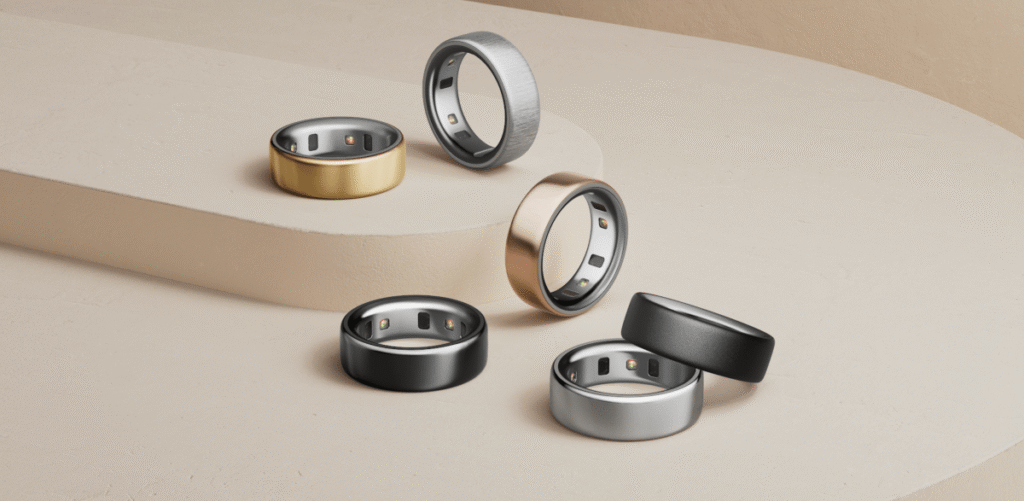
Oura Launches Ring 4 in India to Challenge Local Rivals
Finnish health-tech company Oura has officially expanded into the Indian market, introducing its flagship Ring 4. The move marks a strategic challenge to local incumbents like Ultrahuman, entering a wearable segment that is currently grappling with fluctuating demand and an influx of budget-friendly alternatives.
Pricing Strategy and Market Positioning
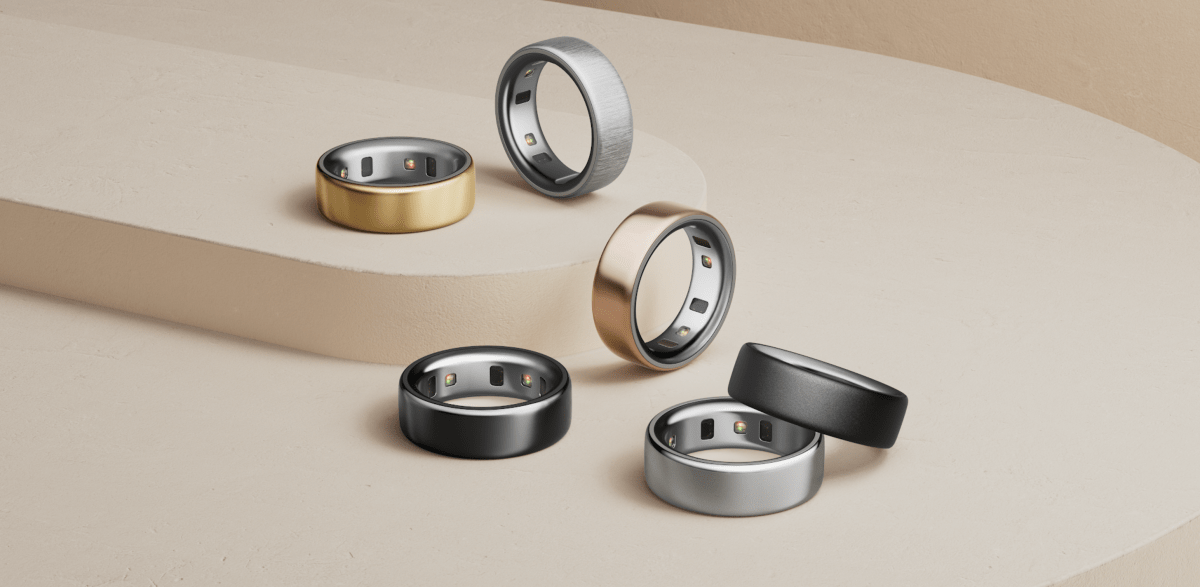
Oura is positioning the Ring 4 as a premium health-tracking solution. In India, the device is priced between ₹28,900 (approximately $313) and ₹39,900 (around $432), supplemented by a monthly membership fee of ₹599 ($6). For context, the company’s U.S. pricing structure begins at $349 with a $5.99 monthly subscription.
This pricing places the Oura Ring 4 in direct competition with established local offerings:
- Ultrahuman Ring Air: Priced at ₹28,499 (about $308).
- Ultrahuman Ring Pro: Retailing for ₹42,990 (about $465).
The State of India’s Smart Ring Market
The entry of a global leader like Oura occurs at a complex time for the Indian wearable sector. According to data from IDC, shipments in the category dropped 30.6% in 2025 compared to the previous year, with the average selling price declining by 8.7% to $159.70 as lower-cost brands gained traction.
Vikas Sharma, senior market analyst for wearable devices at IDC, notes that the segment remains a niche. “The category lacks a broader ecosystem to drive awareness and innovation,” Sharma explained, adding that while there was initial interest in the technology, sustained growth has proven difficult due to muted marketing and a focus by most vendors on larger international markets.
Current market leadership in India is held by Ultrahuman, which captured a 30.4% share last year, followed by Gabit with 18.3%, according to IDC figures.
Global Rivalry and Patent Disputes
The competition between Oura and Ultrahuman is not limited to Indian soil. Oura previously initiated a lawsuit against the Bengaluru-based company in the U.S., which impacted the availability of the Ring Air. In response, Ultrahuman stated it has redesigned its new Ring Pro to comply with Oura’s patents and has sought verification from U.S. Customs and Border Protection to ensure legal import.
Insights into Indian Sleep Patterns
To coincide with its market entry, Oura published a report analyzing sleep data from its users in India between October 2024 and September 2025. The findings highlight potential gaps in wellness: Indian users averaged six hours and 28 minutes of sleep nightly—below recommended benchmarks—and reported lower durations of restorative sleep compared to global averages.
Whether Oura can convert this health awareness into mass adoption in a price-sensitive market remains to be seen. Industry experts suggest that the future of the segment will likely hinge on further diversification of pricing and the entry of additional brands to broaden the ecosystem.