Ring CEO Struggles to Defend Surveillance Privacy Concerns
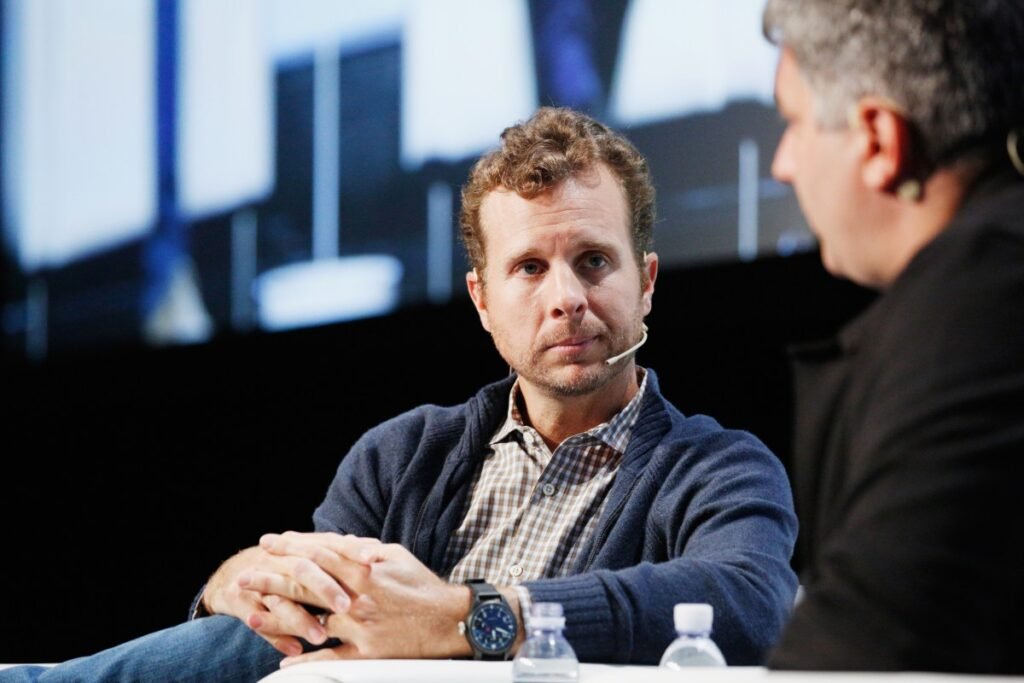
Jamie Siminoff, the founder and CEO of Ring, is finding it difficult to quell public anxiety surrounding his company’s expanding surveillance capabilities. Despite his efforts to frame new features as tools for neighborhood safety, the executive faces mounting scrutiny over the ethical implications of Ring’s massive home-monitoring network.
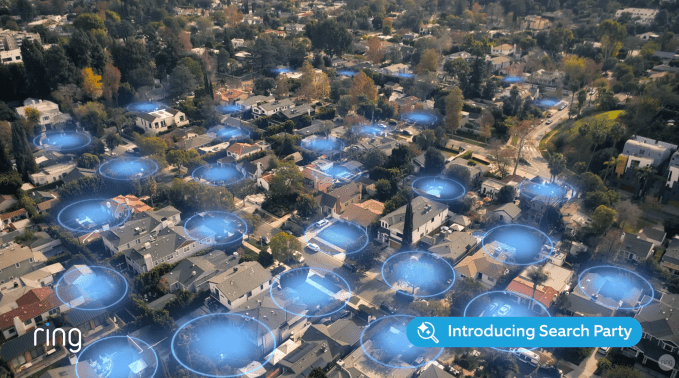
The controversy intensified following a Super Bowl advertisement that showcased “Search Party,” an AI-driven tool designed to help locate lost pets using footage from neighborhood cameras. Critics argue the ad’s visual representation—a grid of homes pulsing with activity—highlighted the intrusive potential of the platform rather than its utility.
The Privacy Paradox
Siminoff argues that Ring operates on a voluntary model, comparing neighborhood footage sharing to “finding a dog in your backyard” and choosing whether to contact the owner. However, he admitted that the Super Bowl spot’s imagery was perhaps too aggressive. “I would change that,” he said. “It wasn’t our job to try to poke anyone to try and get some response.”
The company is currently balancing three primary community-focused features:
- Search Party: AI-powered assistance for locating missing pets.
- Fire Watch: Crowdsourced neighborhood fire mapping.
- Community Requests: A platform allowing local law enforcement to request footage from residents.
Encryption and Feature Trade-offs
A significant tension exists between Ring’s privacy offerings and its AI functionality. While Siminoff highlights end-to-end encryption as a robust protection that prevents even company employees from viewing footage, enabling it forces users to disable a long list of flagship features.
According to Ring’s support documentation, activating encryption renders the following tools unusable:
- AI video search and descriptions
- Familiar Faces identification
- 24/7 video recording and pre-roll
- Rich notifications and quick replies
- Shared user access
External Pressures and Future Expansion
The debate occurs against a backdrop of broader national concern regarding surveillance. Recent reports, such as an investigation by NPR, have detailed how federal agencies use expansive surveillance networks to track individuals. Although Siminoff maintains that Ring’s community requests are limited to local law enforcement, critics worry about the potential for data to reach federal hands.
Despite the pushback, Siminoff shows no signs of slowing down. With over 100 million cameras active, Ring is exploring enterprise security and has not ruled out future ventures into license plate detection—a move that would place it in direct competition with firms like Flock Safety. “It’s very hard to say we’re never going to do something in the future,” Siminoff noted when asked about the technology.
As the company grows, Siminoff continues to lean on the narrative that each home acts as an independent node of security. Whether the public accepts this framework as a benign social good or a step toward intrusive mass surveillance remains the defining question for the company’s future.