World of Warcraft at 20: How the MMO Changed the Internet
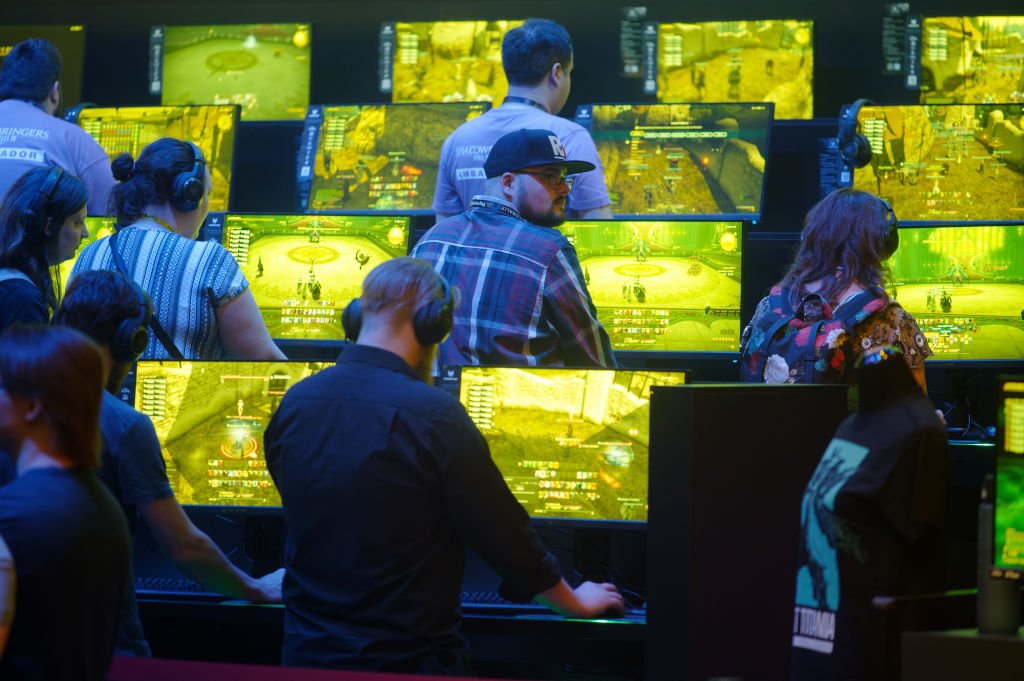
Two decades have passed since Blizzard Entertainment launched World of Warcraft in November 2004. As the massively multiplayer online role-playing game (MMORPG) marks its 20th anniversary, its legacy extends far beyond the realm of gaming, having fundamentally reshaped how the world perceives digital social interaction and virtual economies.
A Blueprint for Digital Connection
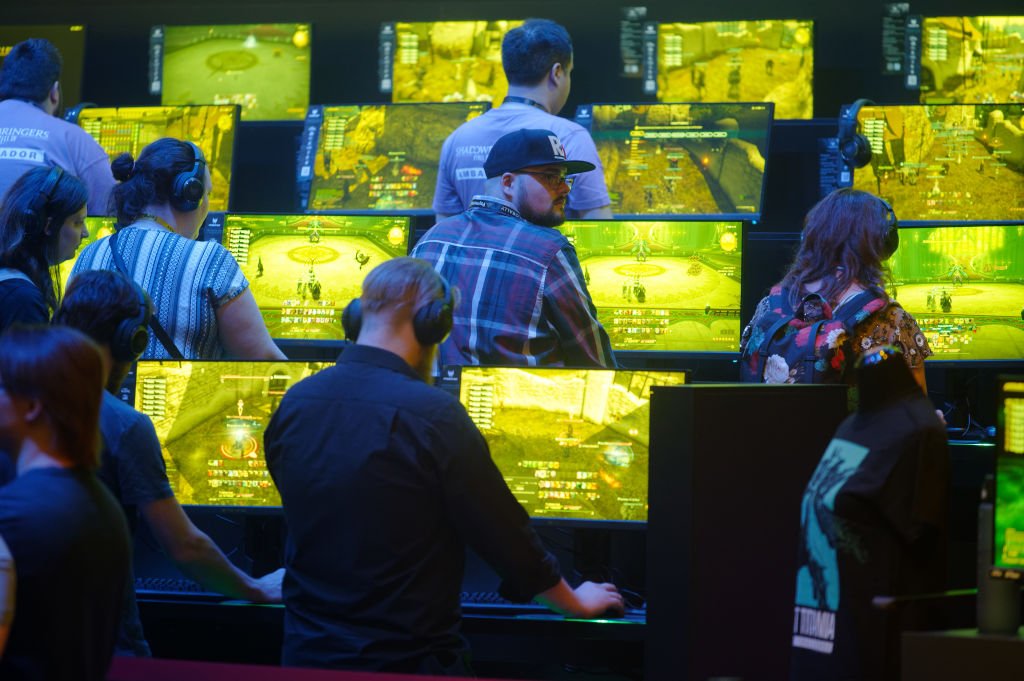
While social platforms like MySpace and early multiplayer titles existed prior to 2004, World of Warcraft served as a profound preview of a future defined by persistent online connectivity. The game bridged the gap between friends and strangers, creating a virtual space that functioned as a precursor to modern digital social networks.
The impact of the game is visible across several pillars of internet culture and industry:
- Economic Innovation: By blending monthly subscription fees with in-game purchases—such as rideable creatures and pets—Blizzard established a lucrative business model that influenced subsequent internet monetization strategies.
- Cultural Impact: The game became a magnet for celebrity players and a prolific source of immortal memes that permeated mainstream internet discourse.
- Scientific Utility: WoW’s influence reached even the scientific community; epidemiologists studied the uncontrolled spread of a fantasy disease within the game to gain insights into how real-world pathogens behave.
Two Decades of Influence
As noted in a recent retrospective by The New York Times, the title’s footprint remains massive. Beyond the mechanics and the revenue, the game proved that virtual environments could sustain long-term engagement on a global scale. Even the 2016 film adaptation, which drew mixed reactions, remains a point of conversation for fans and critics alike, underscoring the enduring relevance of the Warcraft franchise two decades after its debut.