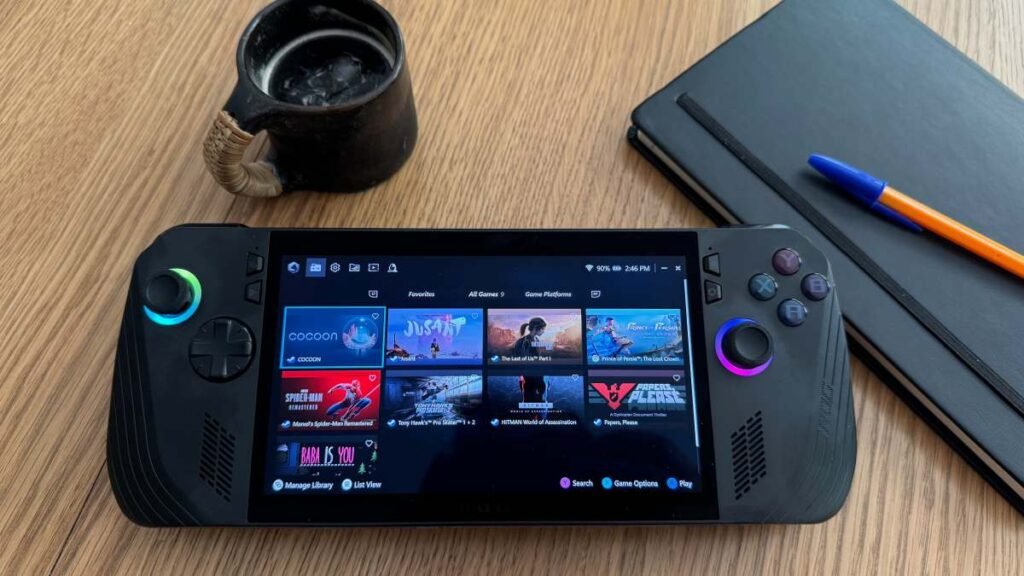
Asus ROG Ally X Review: A Portable PC Gaming Powerhouse
Asus is set to launch the ROG Ally X on July 22, priced at $800. This refined iteration of its Windows-based handheld arrives just over a year after the original, signaling a strategic focus on hardware improvements to better compete in the rapidly growing market of portable PC gaming devices.
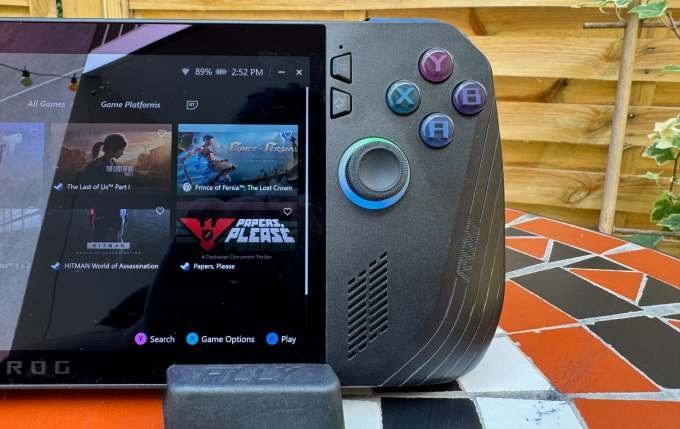
Refining the Handheld Experience
The device features a 7-inch, 1080p display with a 120Hz refresh rate. Unlike smaller alternatives, the ROG Ally X prioritizes ergonomics, offering a full-size controller feel. The joysticks mirror the tactile response of Microsoft Xbox controllers, and the analog triggers provide significant travel. While the D-pad feels somewhat mushy and the Menu/View buttons are positioned awkwardly near the screen, the inclusion of two customizable rear macro keys offers a practical workaround.
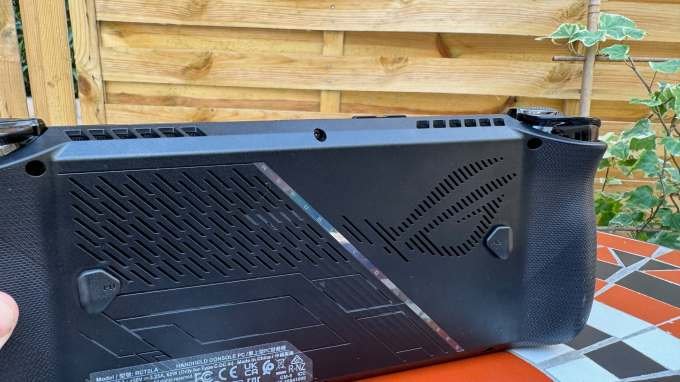
Performance and Internal Upgrades
Under the hood, Asus retained the AMD Z1 Extreme APU but significantly bolstered the internal specifications. Key upgrades include:
- Memory: Increased from 16GB to 24GB of RAM, improving shared performance between VRAM and system memory.
- Storage: Features a user-replaceable 1TB NVMe SSD (2280 format).
- Battery: Doubled capacity to 80Wh.
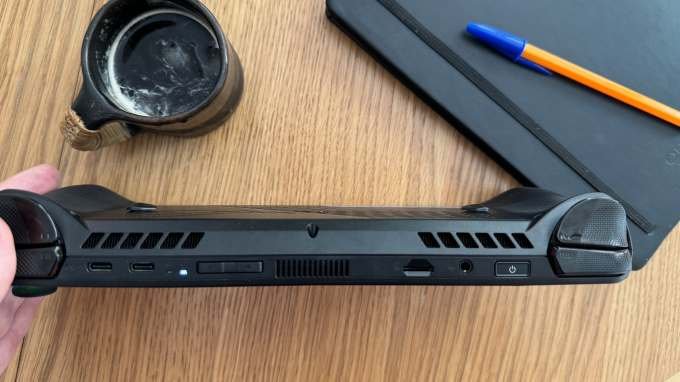
- Connectivity: Replaced the proprietary eGPU port with a standard USB Type-C port featuring USB 4 support.
Software and Usability
While the hardware is capable, the software experience via Armoury Crate SE remains a work in progress. The interface serves as a central hub for game launchers like Steam, Epic, and Ubisoft Connect, but it is prone to occasional crashes, slow menu responses, and bugs. Navigating Windows without a mouse and keyboard on a handheld screen remains a fundamentally clunky experience, highlighting that while the device has a console-like form factor, it is still a PC at heart.
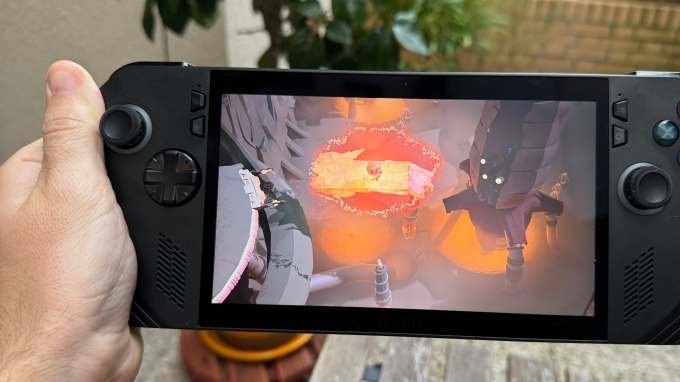
Ultimately, the ROG Ally X excels with indie titles and less demanding games, delivering smooth frame rates at 1080p. AAA gaming requires significant compromise, such as aggressive resolution scaling or lowered graphics settings, to achieve playable performance. Despite these hurdles, it remains a compelling preview of a future where PC gaming seamlessly adopts a portable, console-like form factor.