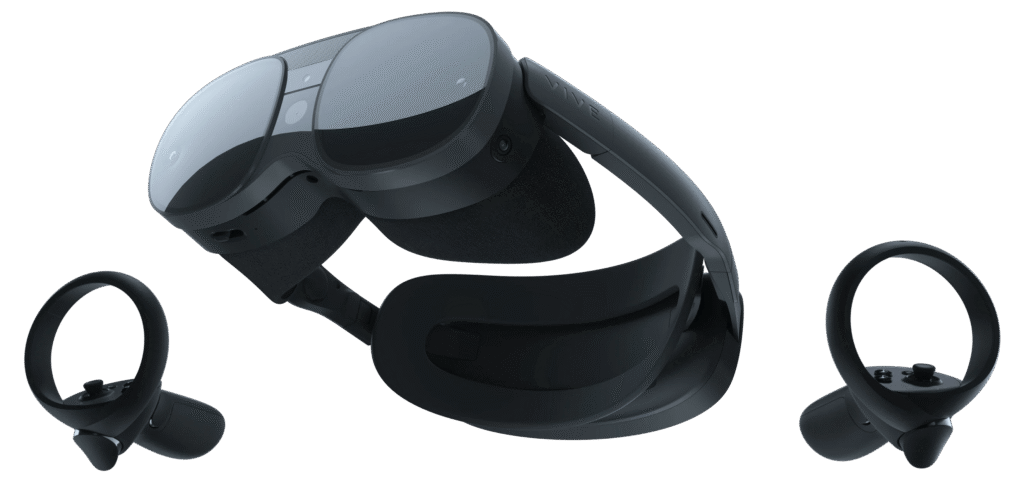
HTC Vive Pivots to Enterprise as Consumer VR Market Shifts
While the broader public may still associate HTC with its past as a smartphone manufacturer, the Taiwanese corporation has undergone a quiet but total transformation. Over the last decade, the company has pivoted away from mobile handsets to establish itself primarily as an enterprise-focused extended reality (XR) powerhouse.
Dan O’Brien, general manager of HTC Vive, confirmed that the vast majority of the company’s global business is now rooted in enterprise solutions. According to O’Brien, the internal metrics show that the business is currently indexing at approximately 70% toward enterprise, a significant shift from the 50/50 split the company maintained in previous years.
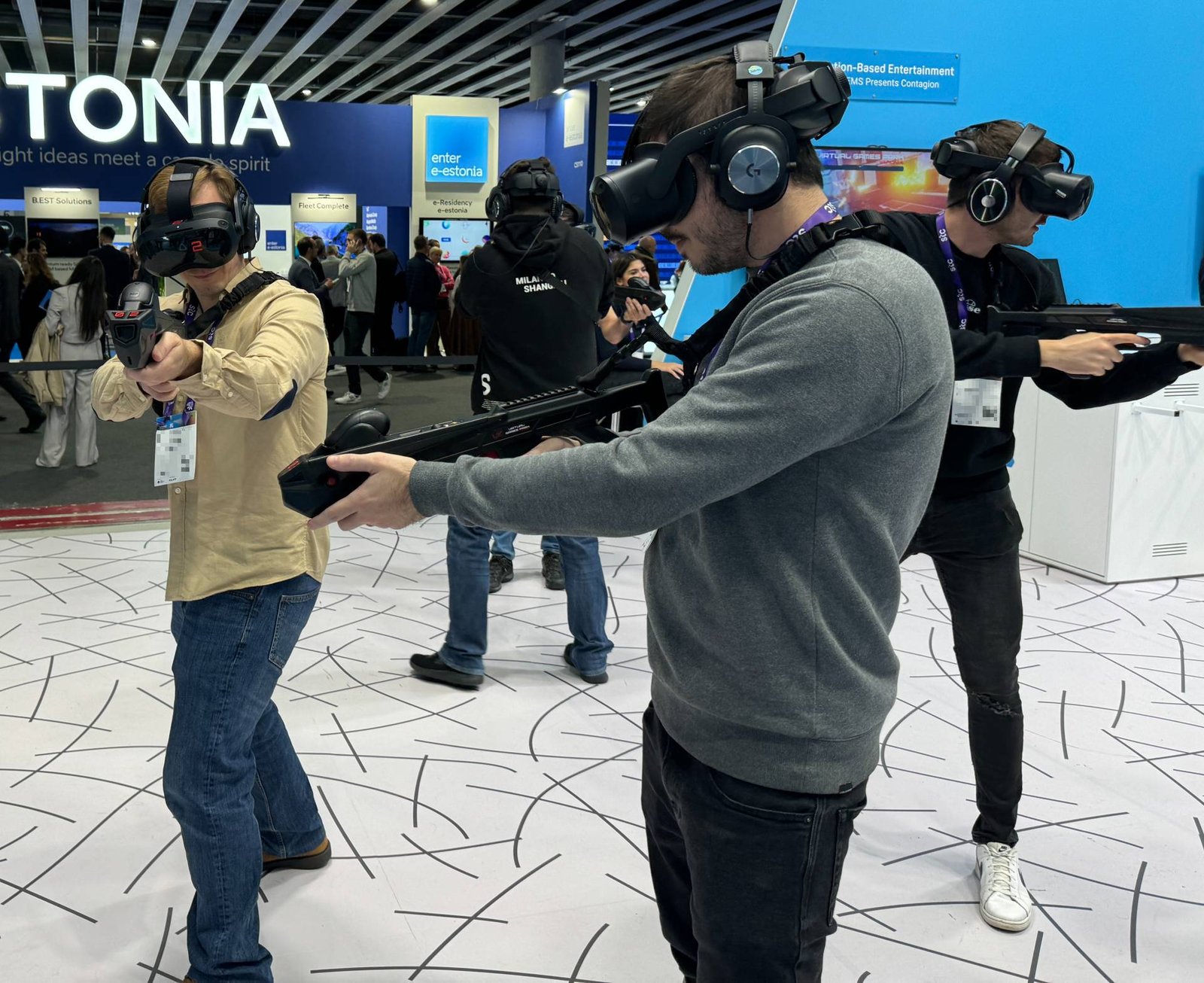
The Strategy Behind the Enterprise Shift
HTC’s move toward professional applications began as early as 2015, when the company distributed 27,000 headsets to developers to jumpstart the Vive ecosystem. At that time, roughly 30% of those units were allocated to enterprise developers, a foresight that helped the company avoid the pitfalls encountered by competitors like Magic Leap.
O’Brien criticized the consumer-first approach of other industry players, noting that fighting for limited consumer leisure time against established giants like Xbox and PlayStation is an uphill battle. “They started off so heavy with consumer… It didn’t solve any problems. It was just an entertainment thing,” O’Brien said regarding Magic Leap’s early strategy.
Market Pressure and Meta’s Influence
The consumer landscape has been heavily influenced by Meta, which has aggressively subsidized its Quest hardware to capture market share. While Meta can afford to absorb significant losses—such as the $12 billion annual loss reported in 2022—to fuel its metaverse ambitions, HTC relies on its hardware as a sustainable revenue driver.
For HTC, the path forward involves high-value sectors such as aerospace and healthcare. The company has already secured FDA certification for two of its headsets and FAA clearance for another, underscoring the practical, professional utility of their current product line.
Future Integration of Generative AI
Looking ahead, HTC is actively exploring the integration of generative AI into its virtual environments. John Dabill, the brand’s head of Product Operations, suggests that AI will eventually lower the barrier to entry for virtual space creation.
- Reduced Technical Barriers: Generative AI could allow users to create virtual environments through natural language prompts rather than requiring deep technical or artistic skills.
- Dynamic Environments: The technology is expected to enable the generation of infinite, on-the-fly scenery within virtual reality.
- Collaborative Design: HTC is doubling down on mixed reality, where digital overlays of objects allow teams to collaborate in physical spaces.
While gaming remains a component of the Vive ecosystem, it is increasingly treated as a secondary application. As O’Brien puts it, the future of wearables lies in a singular device capable of seamlessly handling VR, mixed reality, and AR, leaving the “silly argument” of which technology will win behind in favor of progress.
