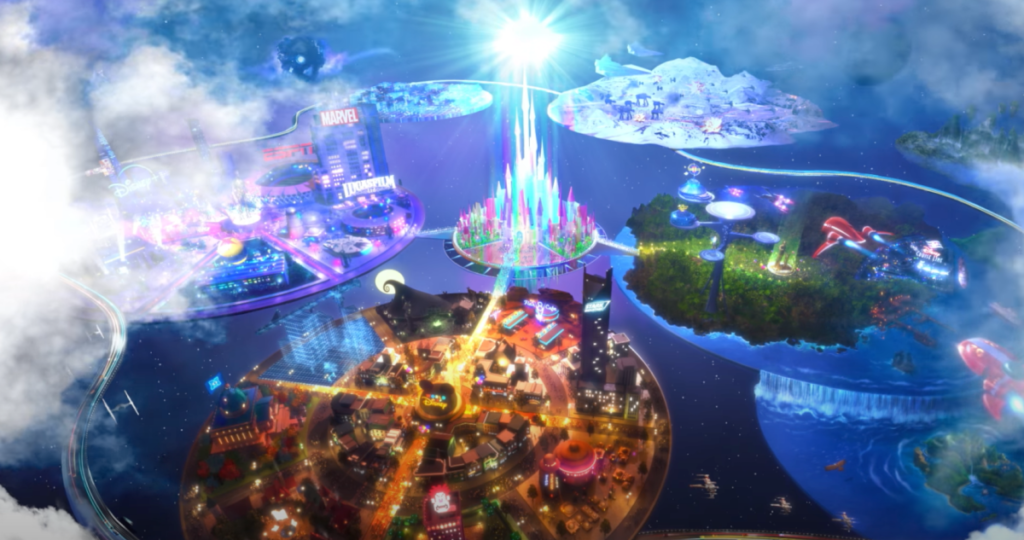
Disney Invests $1.5B in Epic Games for Metaverse Expansion
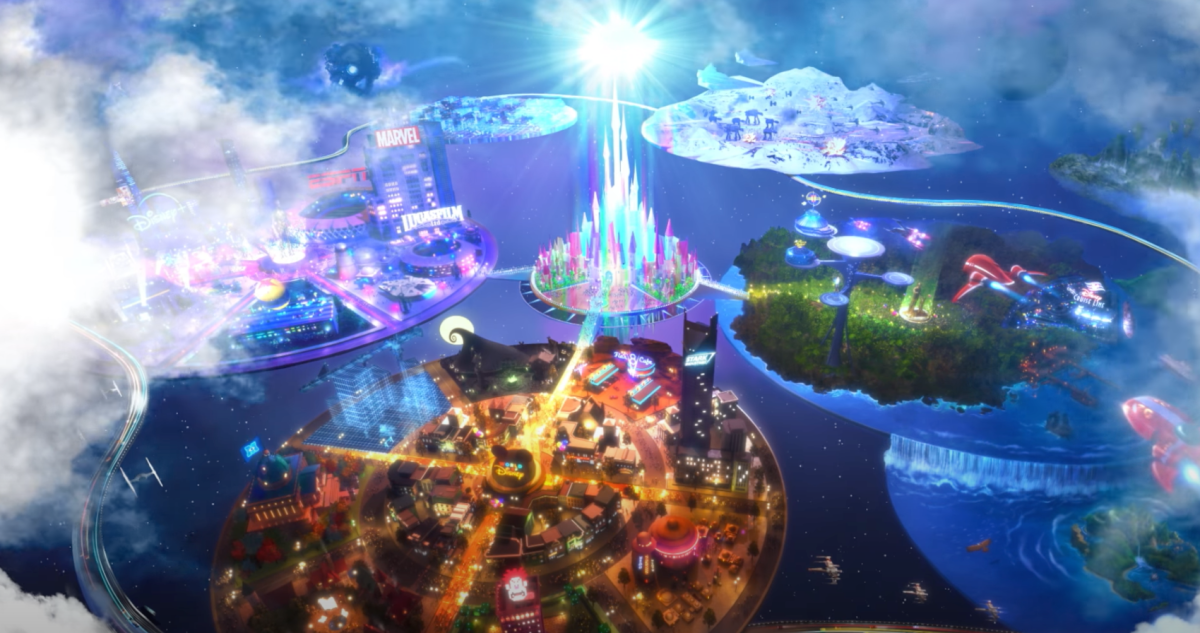
The race to build interconnected, avatar-driven digital worlds is accelerating, with Epic Games and Disney revealing a major collaboration this week. Disney is investing $1.5 billion into Epic Games to develop an expansive “entertainment universe” that integrates the tech giant’s intellectual property with the social ecosystem of Fortnite.
The multiyear project aims to create a persistent virtual space where users can interact, play, and purchase digital goods. While the industry has cooled on the term “metaverse,” the structural shift toward persistent, social gaming platforms remains the primary focus for major players.
Strategic Alignment and Technical Power
Disney’s move marks its most significant entry into the gaming sector to date. CEO Bob Iger described the partnership as a way to leverage Epic’s technical infrastructure to bring Disney’s vast vault of characters—from Marvel and Star Wars to classic animation—into a digital environment that goes beyond traditional, stand-alone gaming.
Epic Games provides the necessary backbone for this scale through its Unreal Engine 5 technology. By utilizing a platform that already attracts 100 million monthly active users, Disney bypasses the difficult hurdle of building a player base from scratch. Key benefits of this alliance include:
- Expanded Audience: Access to Fortnite’s massive, established user base across multiple devices.
- Diverse Gameplay: Moving beyond battle royale mechanics to include varied genres, similar to recent additions like Lego Fortnite and Fortnite Festival.
- Monetization: Leveraging the proven free-to-play model, where revenue is driven by character skins, emotes, and digital accessories.
The Shift from Hardware to Platform
While companies like Meta focused heavily on virtual reality hardware, Epic Games, alongside rivals like Roblox and Mojang, prioritized software-based, hardware-agnostic ecosystems. This approach has proven more successful, as it allows users to congregate in virtual spaces without requiring specialized gear.
The evolution of Fortnite from a simple shooter into a platform for user-generated content (UGC) is central to this strategy. According to Epic, approximately 70% of Fortnite players engage with user-made content in addition to the core game. This model keeps retention high and provides a continuous stream of new experiences.
With high-fidelity graphics and sophisticated character animations, Fortnite is positioned to offer a more polished digital environment than its competitors. As the platform integrates more brands, it is increasingly functioning as a social network where the social experience is prioritized over purely competitive play.
This collaboration signals that the future of the “metaverse” may not be found in VR headsets, but in established, high-traffic gaming platforms that serve as digital hubs for pop culture and social interaction.