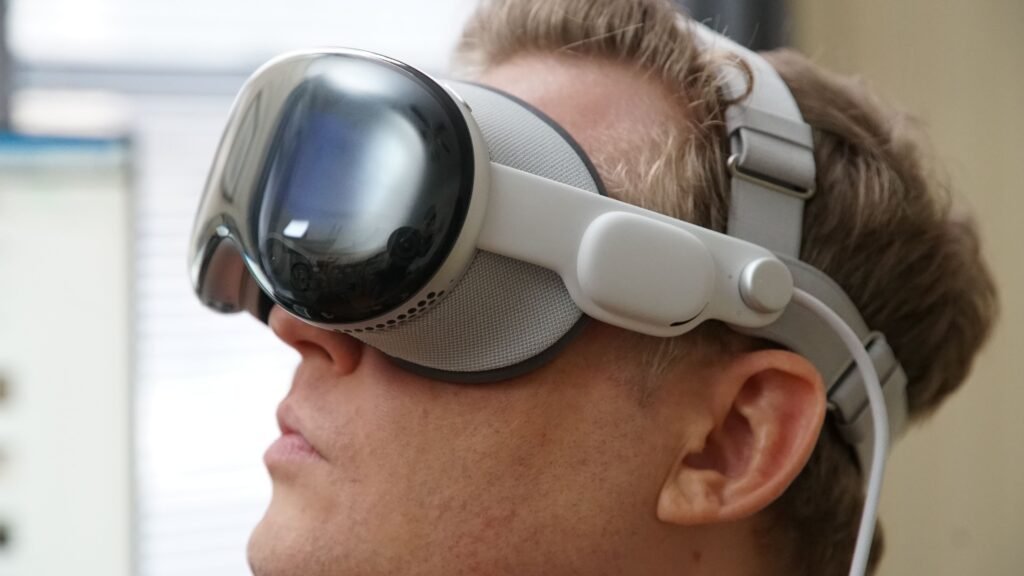
Apple Vision Pro Review: The Future of Spatial Computing
In the year 2000, Scott McCloud introduced the concept of an “infinite canvas” in his work Reinventing Comics. He envisioned a digital space where narratives could stretch horizontally or vertically, unconstrained by the physical limitations of paper. Today, Apple is attempting to realize that vision through the $3,500 Vision Pro, a headset that promises to scale apps beyond the rectangular boundaries of a traditional monitor.
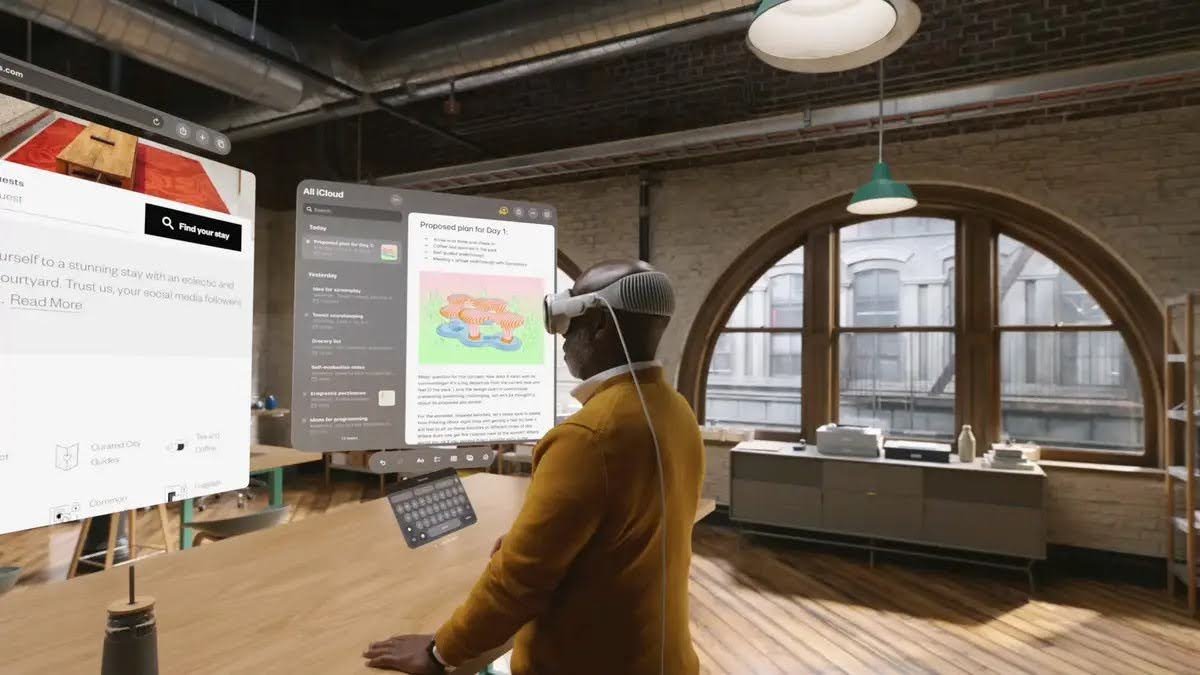
Apple positions this device not merely as a VR headset, but as a “spatial computer.” Unlike previous attempts in the extended reality (XR) space, the Vision Pro prioritizes productivity over gaming. It is a bold, first-generation product that feels remarkably ambitious, even when compared to the original 2007 iPhone launch.
An Infinite Desktop Experience
The core philosophy here is the “infinite desktop.” If the smartphone screen has reached its physical limit, Apple is betting that our future workspace should be as large as the room we occupy. Using high-resolution displays and sophisticated eye-and-hand tracking, the Vision Pro allows users to pin windows and applications in 3D space.
For current Mac users, the integration is seamless. By looking at a Mac, users can connect the headset to function as a 4K virtual display, effectively replacing or supplementing their physical monitor. While drag-and-drop functionality between these virtual windows is still maturing, the ability to turn a coffee table into a multi-monitor setup is a glimpse of a potential new utility for professionals.
Input: Eyes, Hands, and Voice
Apple has moved away from the handheld controllers typical of the Meta Quest. Instead, the Vision Pro relies on a combination of eye tracking and hand gestures. Simply looking at an icon and pinching your thumb and index finger acts as a “click.” While this is intuitive, it does require a well-lit environment for the sensors to track your hands accurately.
For text entry, the system is less efficient, though Siri integration provides a significant boost. Using voice commands to search or navigate feels much more natural here than in previous computing iterations, proving that Apple’s ecosystem of software and hardware is beginning to coalesce into a cohesive experience.
The Persona Feature
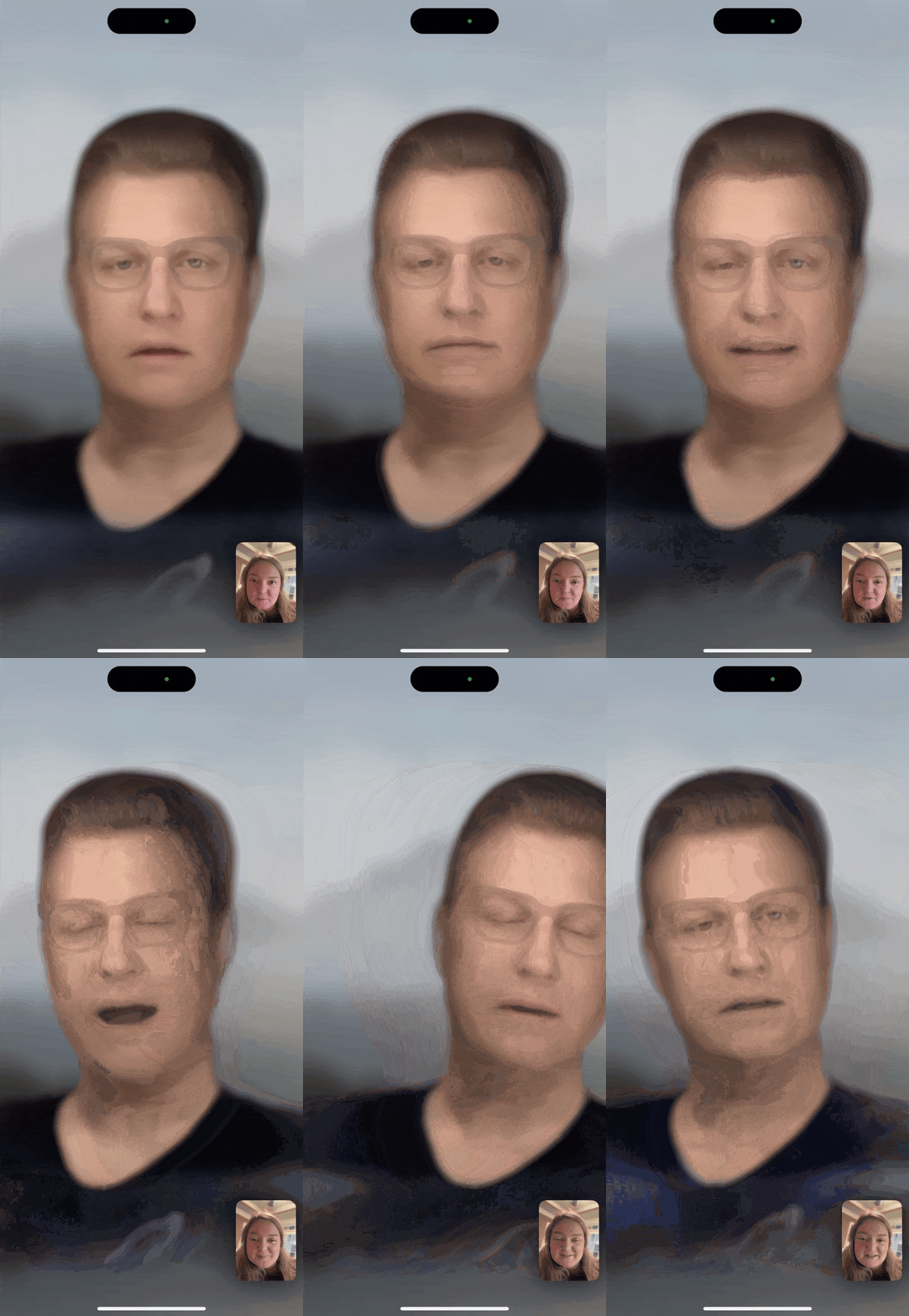
To facilitate video conferencing while wearing a visor, Apple utilizes “Personas.” This feature scans your face to create a 3D avatar. While the technology is currently in beta and can occasionally land in the “uncanny valley,” it represents a necessary solution to the challenge of telepresence in an XR environment. It responds to facial expressions, allowing for a more dynamic interaction during calls.
Hardware and Limitations
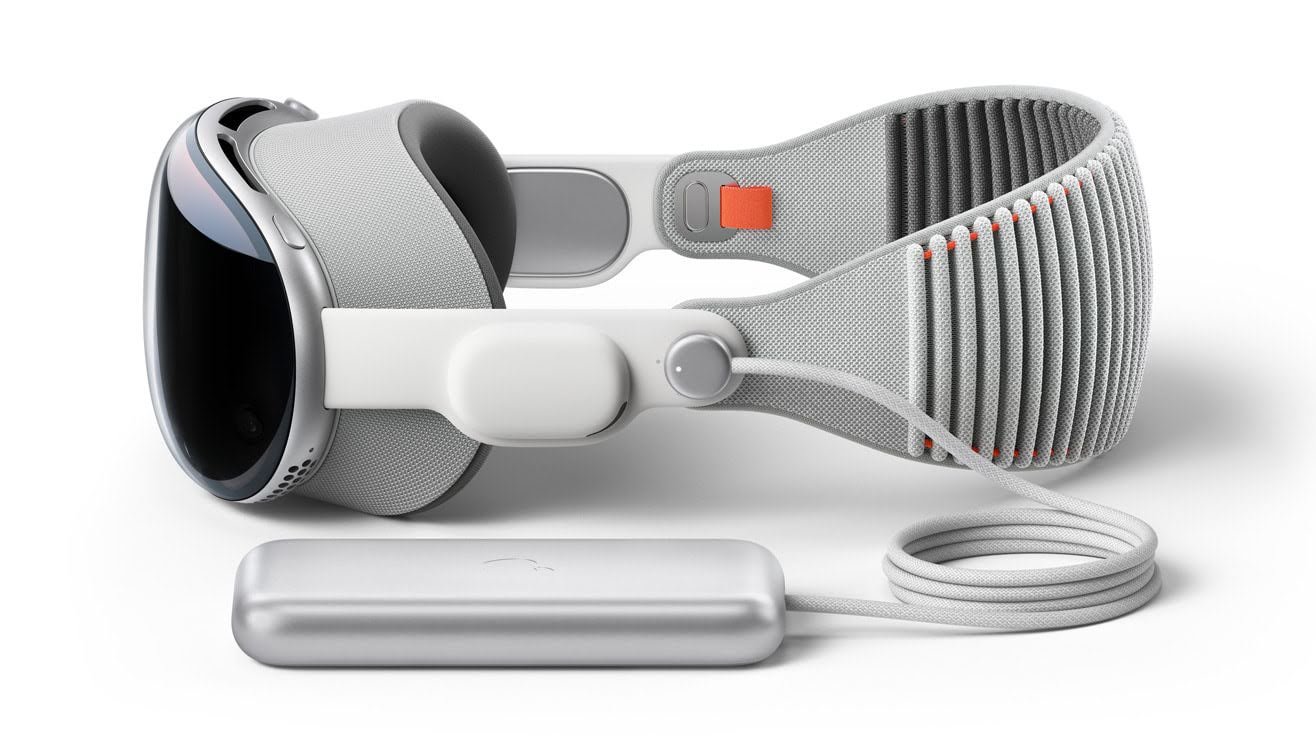
The device is powered by the M2 and R1 chips, offering enough performance to serve as a standalone computer. However, the external battery pack—which provides roughly 2.5 hours of use—is perhaps the most debated element. While it feels like a compromise necessitated by current battery density limits, it is a small price to pay to keep the headset weight manageable.
Ultimately, the Vision Pro is a product of intense ambition. It is not yet a perfect consumer device, but it is a foundational step. Just as the iPhone evolved from its first iteration, Apple is clearly laying the groundwork for a future where the “infinite desktop” becomes a standard part of our digital lives.