Meta Upgrades Facebook Tools to Tackle Creator Impersonation
protection tools and updated guidelines on Facebook to combat AI-generated spam and protect creators from impersonators.
TAGS: Meta, Facebook, Social Media, Artificial Intelligence, Digital Creators
CONTEUDO:
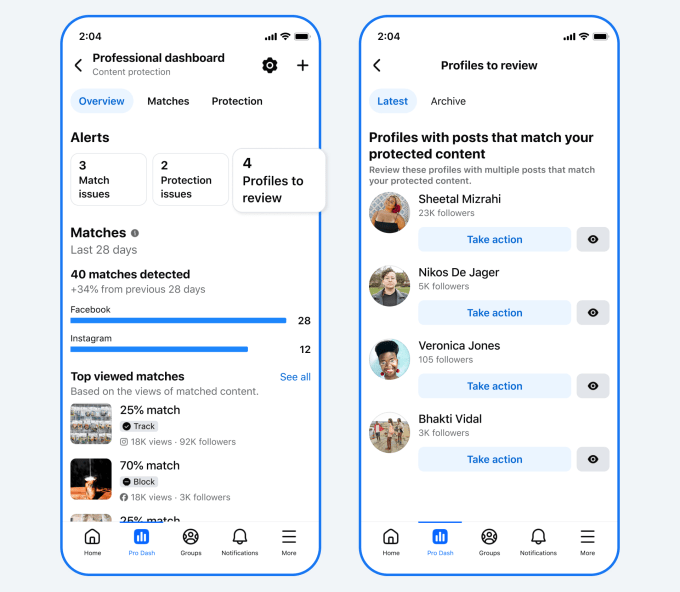
Meta is expanding its suite of creator protection tools on Facebook, introducing a streamlined reporting process to combat the rise of impersonation and low-quality, AI-generated content. These updates follow a period of intense scrutiny regarding the platform’s struggle with unoriginal material.
Refining Content Standards
To discourage the proliferation of low-quality posts, Meta is updating its content guidelines. The company now provides a stricter definition of “original content,” focusing on:
- Content filmed or produced directly by the creator.
- Reels that incorporate remixes or overlays to provide new value, such as analysis or unique discussion.
Conversely, material featuring only minor edits—such as simple borders, captions, or basic re-uploads—will be classified as unoriginal. These posts will face deprioritization in the Facebook feed, effectively penalizing accounts that rely on “slop” to gain traction.
Combating Impersonation
Meta reported significant progress in its security operations, noting the removal of 20 million accounts last year and a 33% reduction in impersonation reports filed by major creators. Despite these gains, the company acknowledges that current tools are primarily designed to match duplicate content rather than detect unauthorized use of a creator’s likeness.
To bridge this gap, the company is testing enhancements to its content protection tools. The goal is to centralize the reporting dashboard, allowing creators to flag unauthorized Reels and other content from a single location. This move aligns with broader industry trends; for instance, YouTube recently expanded its own deepfake detection capabilities to cover public figures and journalists.
The urgency behind these changes is clear: Meta states that its previous efforts to crack down on spam resulted in a doubling of views and time spent on original content during the second half of 2025 compared to the same period in 2024. Protecting the creator ecosystem remains a critical priority for the platform’s long-term viability.