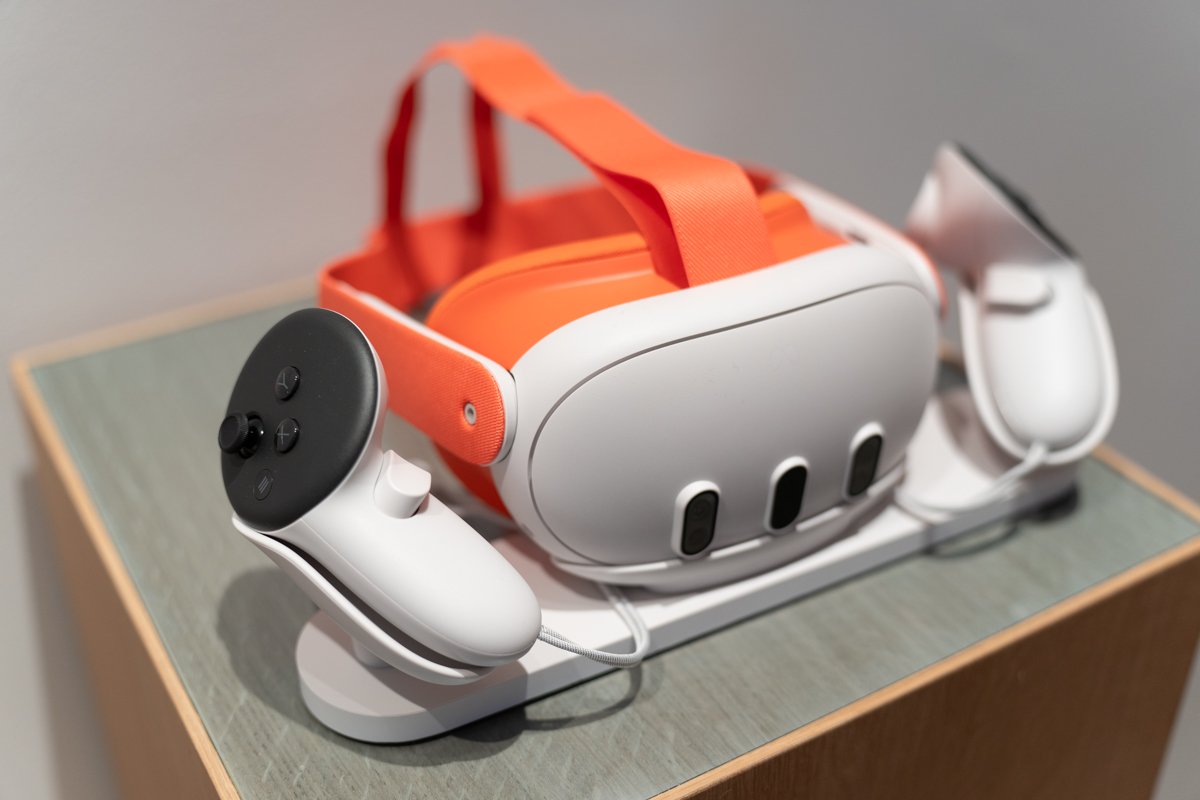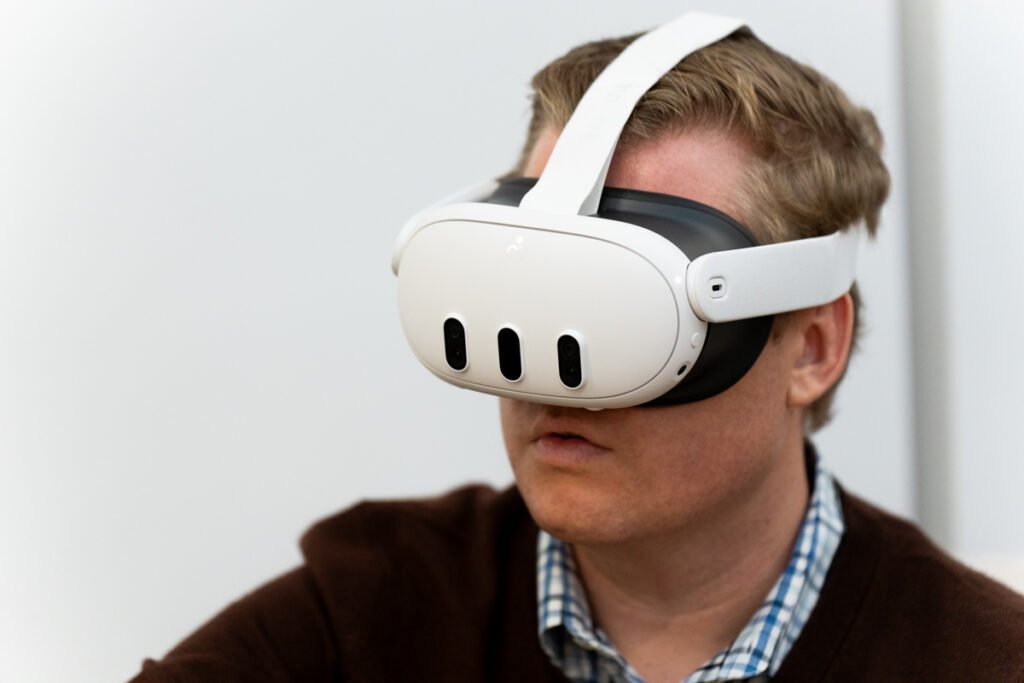
Meta Quest 3 Debuts: A $500 Push Into Mixed Reality
Meta is recalibrating its focus on the consumer market with the introduction of the Quest 3. While the company maintains its enterprise-grade Quest Pro for professional sectors, the new $500 headset arrives as a direct successor to the aging Quest 2, aiming to bridge the gap between high-end performance and consumer accessibility.
Technical Upgrades and Performance
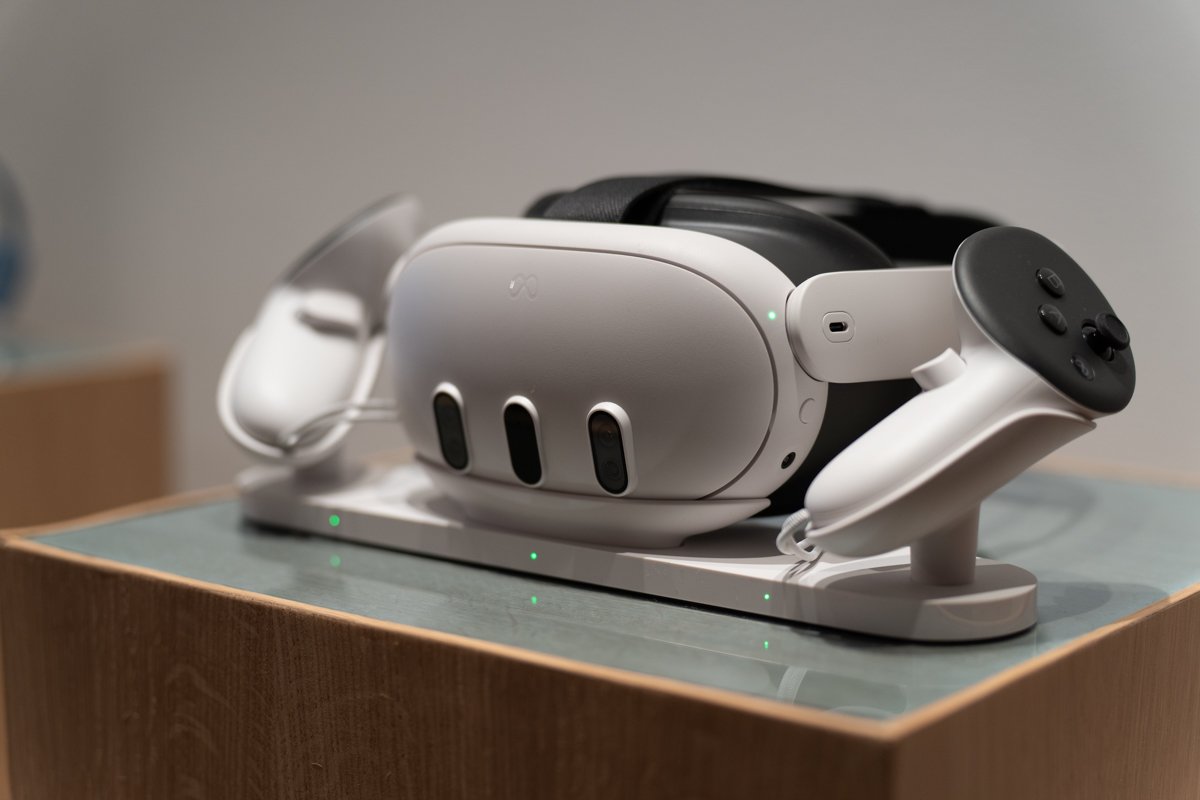
The Quest 3 is powered by the newly announced Qualcomm Snapdragon XR2 Gen 2 chip. According to company data, this architecture doubles the GPU processing power compared to the previous generation. The device features a “4K+ Infinite Display” with a resolution of 2064 x 2208 pixels per eye, representing the highest resolution currently available in Meta’s hardware lineup. Additionally, the field of view has been expanded to 110 degrees, a 15% increase over the Quest 2.
A significant focus for this release is the full-color Passthrough technology. Meta claims this system offers 10 times the pixel density of the Quest 2 and three times that of the more expensive Quest Pro. To navigate physical environments, the headset employs SLAM (simultaneous localization and mapping), the same technology utilized in autonomous vehicles, allowing users to anchor digital graphics to real-world objects.
Ergonomics and Hardware
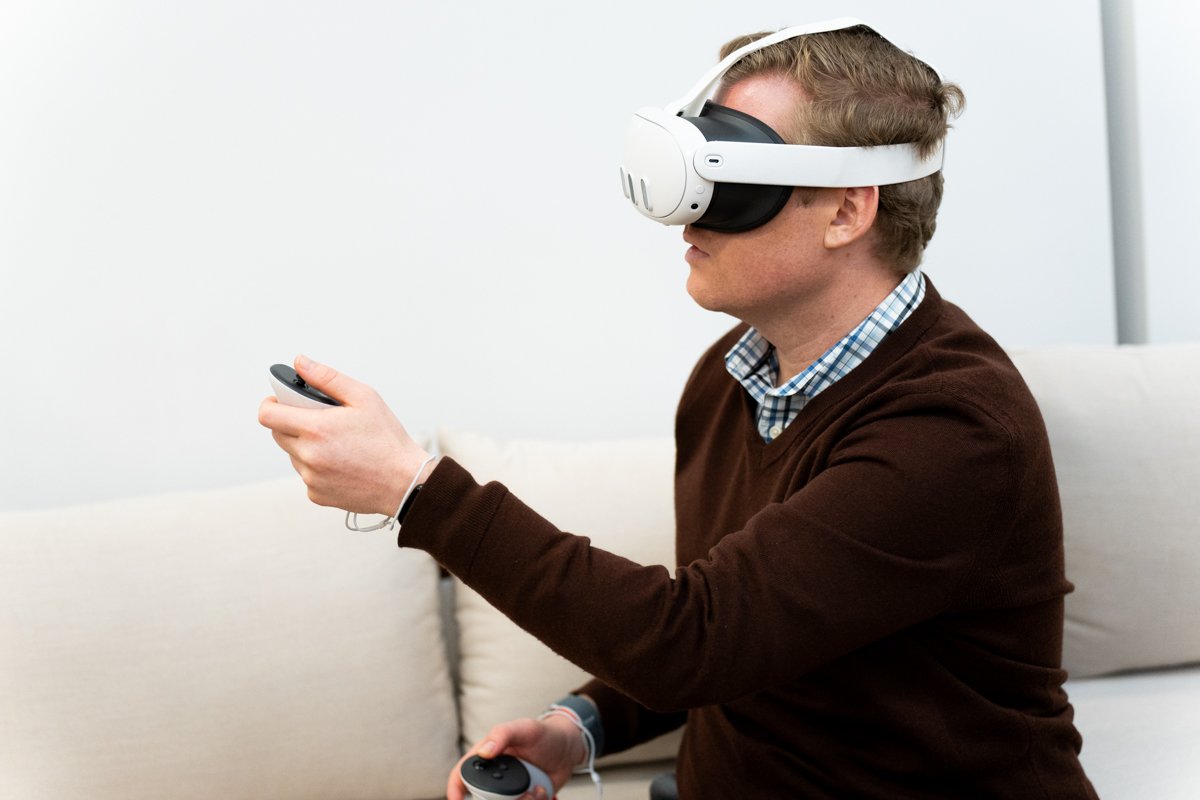
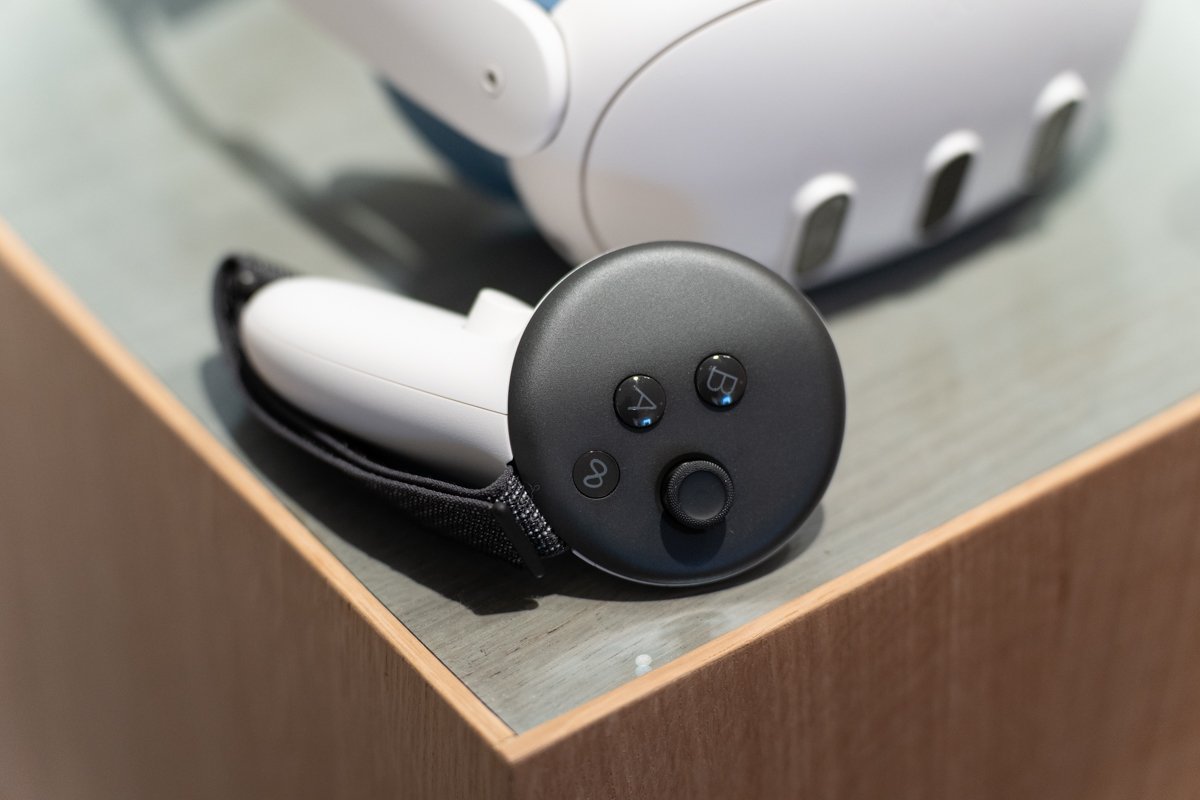
Meta has trimmed the weight of the device to 515 grams, making it significantly lighter than the 722-gram Quest Pro and comparable to the 500-gram Quest 2. The headset also introduces ring-free Touch Plus controllers, which weigh 126 grams each. For users preferring a hands-free approach, “Direct Touch” allows for gesture-based navigation.
Battery performance is projected to remain consistent with the Quest 2, averaging between two and three hours depending on the application:
- Media: 2.9 hours
- Gaming: 2.4 hours
- Social: 2.2 hours
- Overall Average: 2.2 hours
- Productivity: 1.5 hours
Market Availability
Preorders for the device opened immediately following the announcement, with shipping scheduled for October 10. Meta is incentivizing early adoption with the following bundles:
- 128GB Model ($499): Includes a copy of Asgard’s Wrath 2 for purchases made before January 27, 2024.
- 512GB Model ($650): Includes Asgard’s Wrath 2 and a six-month Meta Quest+ subscription.
The platform will support over 500 existing Quest 2 titles, with 50 new games and 50 graphic-enhanced versions of legacy titles expected to launch alongside the new hardware.