Adobe Launches Photoshop AI Assistant in Beta
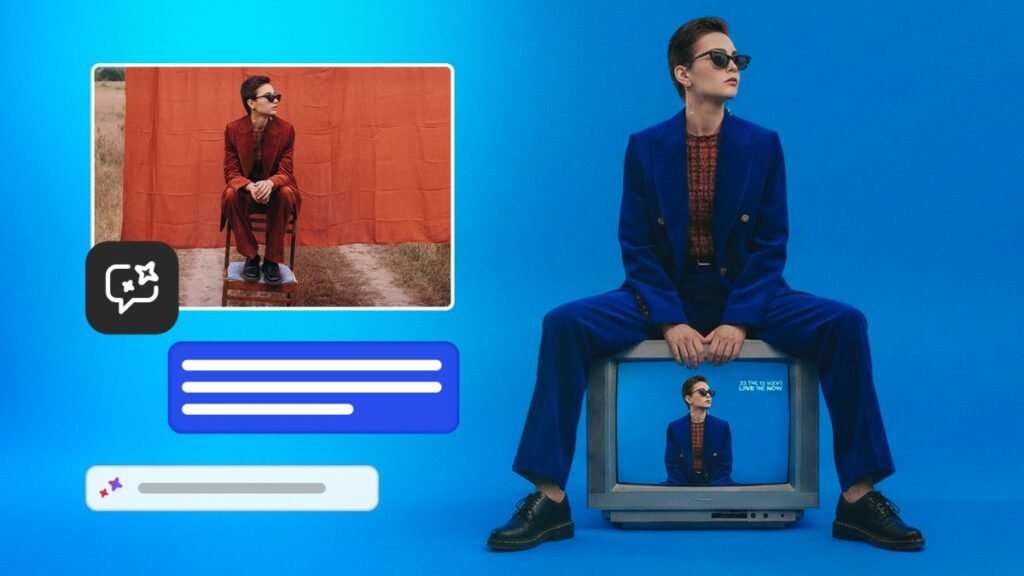
Adobe is expanding its creative software capabilities by launching a new AI assistant for Photoshop, currently available in beta across web and mobile platforms. This release, first teased during the company’s MAX event last October, introduces conversational image editing to the software’s primary interface.
The assistant processes natural language prompts, allowing users to execute complex edits without navigating manual menus. Capabilities include removing subjects or background elements, adjusting lighting, modifying color palettes, and applying artistic effects like a soft glow. Users can also request specific formatting tasks, such as cropping images to particular dimensions.
To support the rollout, Adobe has implemented a temporary usage structure for these AI features:
- Paid subscribers: Unlimited image generations are available through April 9.
- Free users: Access is provided with a limit of 20 initial generations.
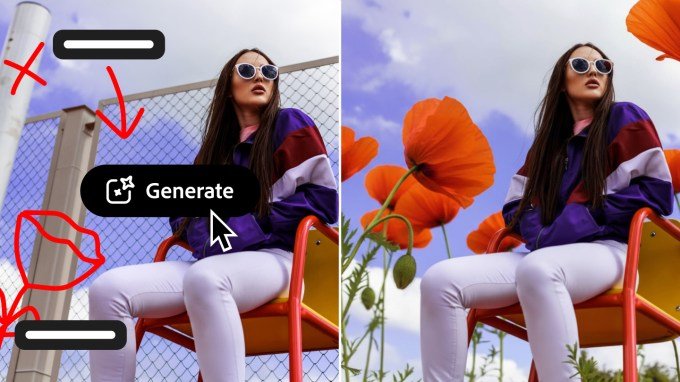
Alongside the assistant, Adobe is testing an “AI markup” feature in public beta. This tool enables users to draw visual indicators directly on an image, which the AI then interprets to perform specific actions, such as removing a marked object or altering a highlighted section of the background.
Updates to Firefly Ecosystem
Adobe is also bolstering its Firefly media-creation suite with new generative tools. The platform now incorporates Generative Fill—a feature previously exclusive to the desktop version of Photoshop—allowing for more robust object insertion and background modification.
Additional updates to the Firefly toolset include:
- Generative Remove: Specialized object erasure.
- Generative Expand: AI-driven canvas extension.
- Generative Upscale: Enhancing image resolution.
- One-click background removal: Automated subject isolation.
These enhancements follow Adobe’s recent strategy to provide unlimited generations for Firefly subscribers. The company continues to integrate third-party models into its workflow, currently supporting over 25 external image and video generation engines, such as OpenAI’s Image Generation, Google’s Nano Banana 2, Black Forest Labs’ Flux.2 Pro, and Runway’s Gen-4.5.