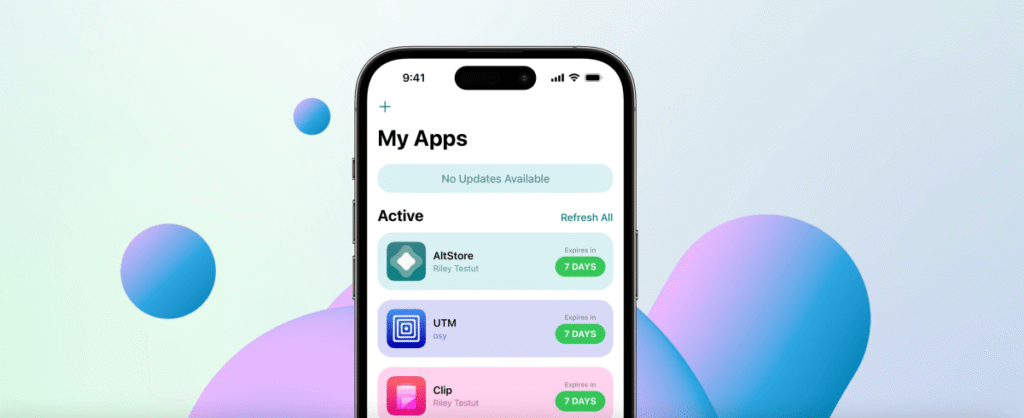
Beyond Apple: A Guide to Alternative iOS App Marketplaces
The landscape for iPhone users is shifting as regulatory changes, such as the European Union’s Digital Markets Act (DMA) and Japan’s Mobile Software Competition Act (MSCA), break the long-standing monopoly of the Apple App Store. Developers now have new avenues to distribute software, provided they adhere to specific business terms and integrity standards.
While Apple no longer mandates its own review process for every app in these third-party stores, it requires a notarization process. This ensures that software meets baseline platform integrity, specifically confirming that apps are free from malware. Outside of this, the individual marketplaces manage their own approval policies, support systems, and refund processes.
AltStore PAL (EU)
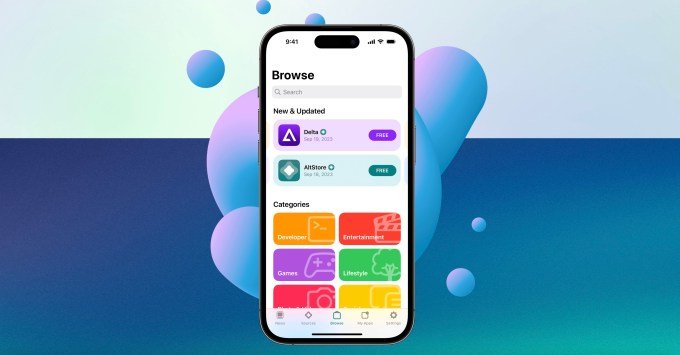
Co-founded by Riley Testut, the creator of the Delta emulator, AltStore PAL operates as an open source marketplace. Unlike a traditional centralized store, AltStore relies on self-hosting: developers provide an alternative distribution packet (ADP) on their own servers, which users then add to the AltStore interface. Notable apps available through this method include:
- UTM: A virtual machine app for running Windows on iOS.
- OldOS: A SwiftUI recreation of the iOS 4 interface.
- iTorrent: A torrent client for iOS.
- Kotoba: An iOS-focused dictionary tool.
- qBitControl: A remote client for qBittorrent.
- PeopleDrop: A social discovery platform.
Epic Games Store (EU)
Since August 2024, Epic Games has operated its own iOS storefront in the EU, featuring titles like Fortnite, Rocket League Sideswipe, and Fall Guys. This launch followed a multi-year legal battle between Epic and Apple regarding App Store policies. Epic is also actively supporting other distribution platforms, including Aptoide and AltStore PAL, through financial grants.
Aptoide (EU)
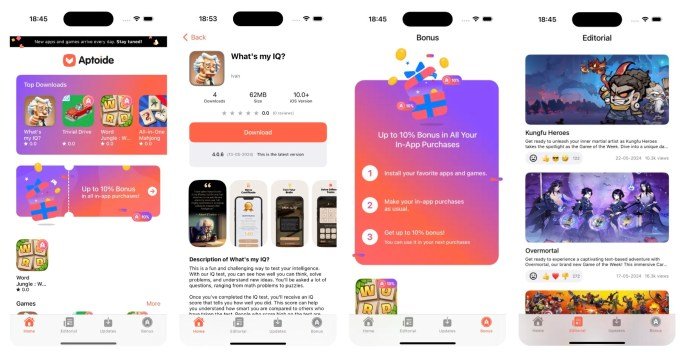
Lisbon-based Aptoide provides an open-source solution for iOS distribution. Having already established itself as a major alternative to Google Play on Android, Aptoide implements security scans to verify the safety of its iOS offerings. The platform charges a 10% to 20% commission on in-app purchases, depending on the source of the transaction.
Mobivention marketplace (EU)
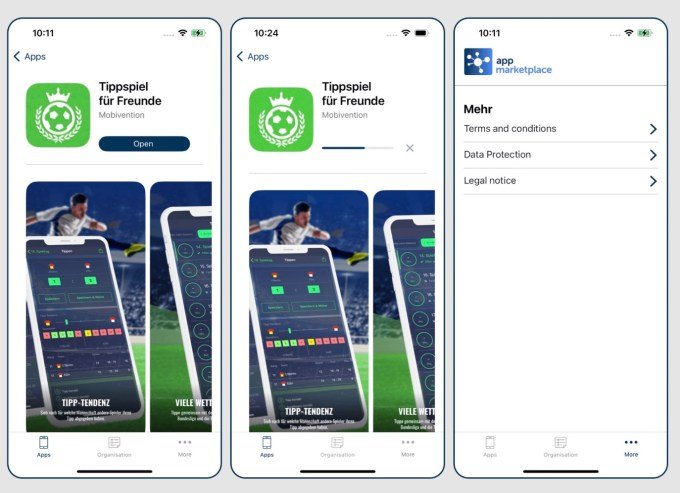
Focused on the B2B sector, Mobivention assists European companies in distributing internal apps that do not fit into the standard Apple App Store criteria. They also provide custom white-label marketplace technology for organizations seeking to manage their own corporate app ecosystems.
Skich (EU)
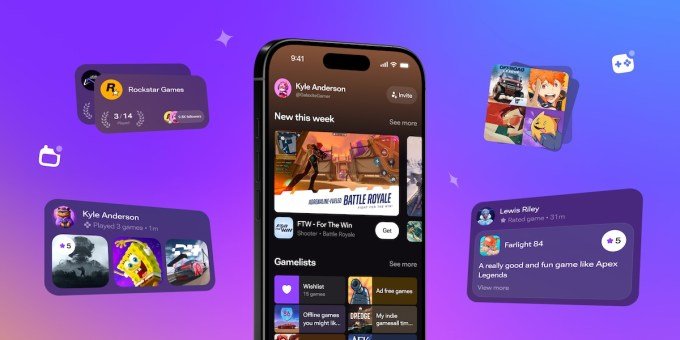
Skich distinguishes itself through a unique discovery mechanism: a swipe-based interface similar to Tinder, allowing users to match with apps they find interesting. The platform, which charges a 15% commission on purchases, also enables users to create app playlists and view their friends’ activity.
Onside (EU and Japan)
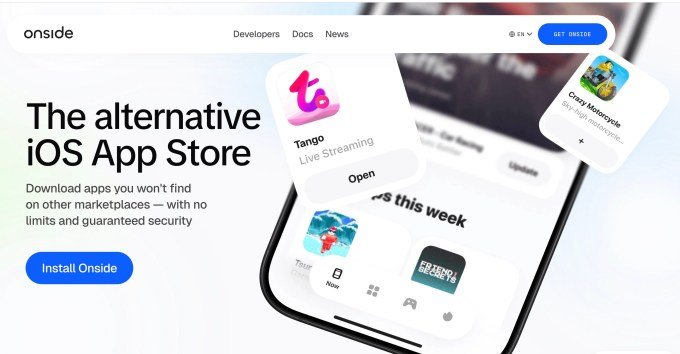
Onside is expanding its reach, now operating in both the EU and Japan. The marketplace emphasizes lower developer fees and enhanced user privacy regarding payment information. Consumers can access familiar features such as editorial collections, ratings, and reviews, while the platform currently supports bank cards and Apple Pay, with plans to integrate additional payment methods like Klarna and iDeal.
Note: Some initiatives, such as MacPaw’s Setapp Mobile, have opted to exit this space. Setapp ceased its iOS store operations in February 2026, citing complex business terms that conflicted with its subscription-based model.