
Bluesky gets native end-to-end encrypted messaging via Germ
The decentralized social network Bluesky has officially integrated technology from the startup Germ Network, marking a significant milestone for the platform. This collaboration introduces the first private, end-to-end encrypted (E2E) messenger capable of launching natively within the Bluesky application.
Unlike traditional social media platforms where new features are strictly controlled by a central company, this integration demonstrates how open ecosystems allow community-driven development. By leveraging the AT Protocol (ATProto), which powers Bluesky and other clients like Blacksky, developers can now introduce complex functionality—such as secure messaging—without waiting for the core platform to build it from scratch.
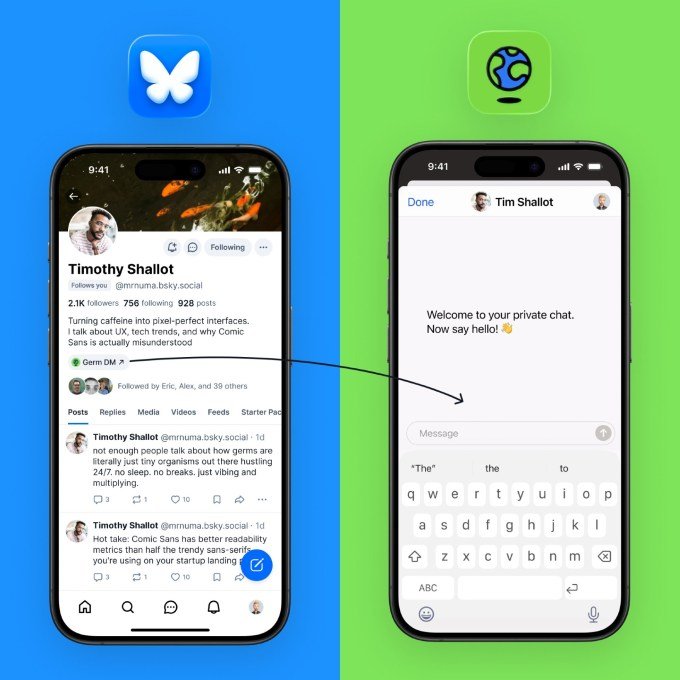
How the Integration Works
The system bypasses the need for phone numbers, relying instead on ATProto handles for authentication. When a user clicks the Germ badge on a contact’s profile, it triggers an iOS App Clip—a lightweight, temporary version of the app—allowing for immediate, encrypted communication. Users are nudged to download the full standalone application, though it remains optional.
Technical implementation details include:
- Messaging Layer Security (MLS): The platform utilizes this IETF-approved standard for encryption.
- Decentralization: Because it is built on ATProto, neither Bluesky nor Germ can decrypt these messages.
- Accessibility: Germ has released new guidance to enable other AT Protocol-based apps to replicate this integration.
Founding Vision and Growth
Germ Network was founded by Tessa Brown, a former Stanford communications instructor, and Mark Xue, a former Apple privacy engineer previously involved in iMessage and FaceTime development. The startup aims to provide a modern alternative to established encrypted apps by focusing on newer underlying technologies.
The partnership has proven effective for user growth. According to the team, daily active users surged 5x following the official announcement of the integration. This follows months of development, including a private beta initiated last August that relied on “magic links” in user bios.
Xue, who serves as CTO, noted that the collaboration stemmed from discussions at the ATmosphere Conference in Seattle last year. “We’ve been transparent about our planning and roadmap, and shipping our private beta in August generated valuable feedback from users and developers about the desire to replace our links in bios with native UI,” Xue stated.
The Complexity of Encryption
Bluesky has opted not to build its own E2E encryption system, citing the inherent difficulty of the task. Protocol engineer Daniel Holms noted in a recent blog post that the complexity of E2EE is a burden that shouldn’t fall solely on the core protocol team, but rather be distributed among developers building client-side experiences.
While the current focus is on building out core messaging features, Germ’s roadmap includes potential future monetization. CEO Tessa Brown mentioned that paid features could eventually cater to “prosumer power users” such as journalists and creators, potentially including tools like private AI-powered message screening.
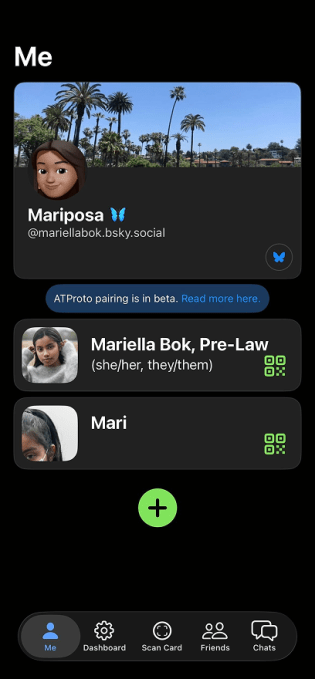
The success of the Germ integration has already sparked interest elsewhere in the ecosystem, with another AT Protocol-based client, Blacksky, following suit by implementing the badge shortly after the announcement.