Airbnb Launches Reserve Now, Pay Later Globally
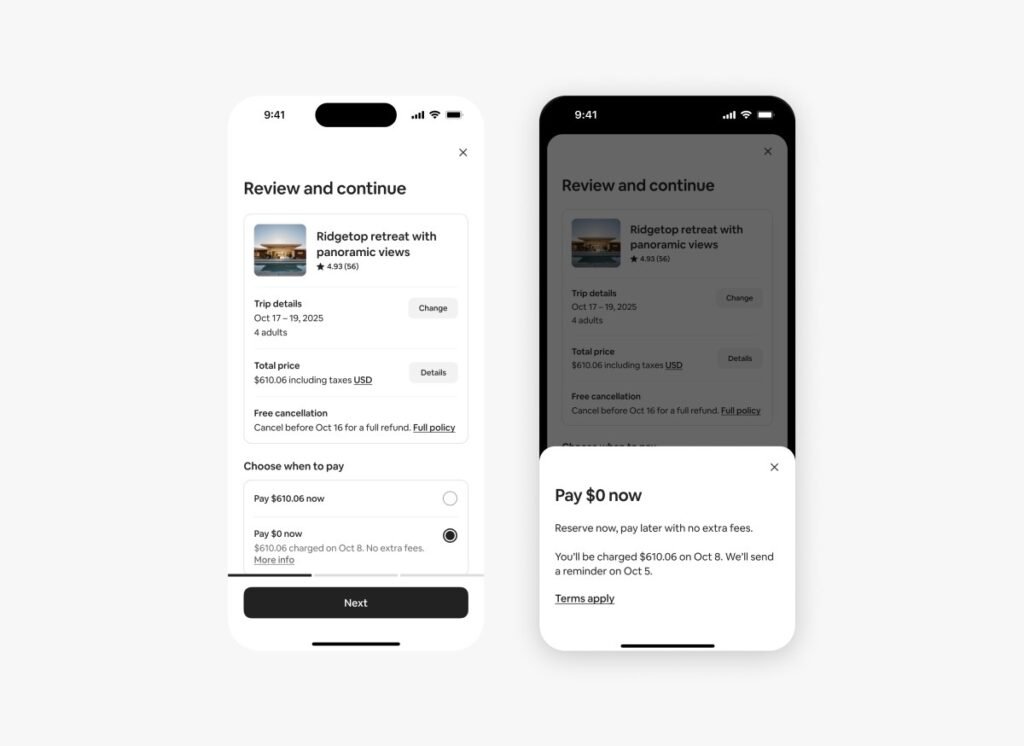
Airbnb is taking its “Reserve Now, Pay Later” feature to a global scale, allowing users worldwide to secure accommodations without requiring an immediate full payment. The expansion follows a successful rollout in the U.S. market, where the tool was introduced last year to facilitate domestic travel planning.
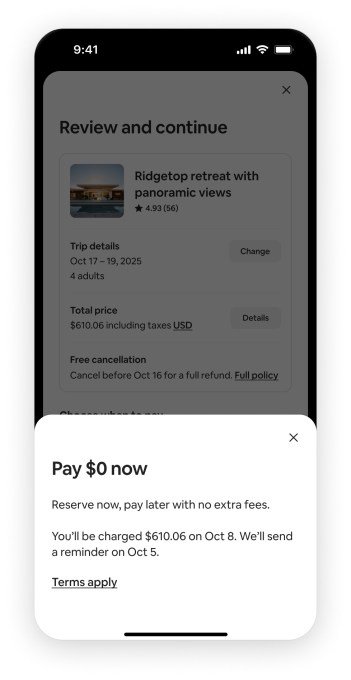
The feature applies specifically to listings that offer “flexible” or “moderate” cancellation policies. By choosing this payment method, travelers defer their payment until closer to the scheduled check-in date, rather than settling the bill at the moment of booking. This model mirrors the “buy now, pay later” trends prevalent in e-commerce, aimed at making larger travel expenses more manageable for consumers.
Impact on Bookings and User Behavior
The company reported that the feature has seen a 70% adoption rate among bookings eligible for the program. During the Q4 2025 earnings call, Airbnb executives highlighted the positive influence of the payment option on platform performance.
“Reserve Now, Pay Later saw significant adoption among eligible guests in Q4. It’s also led to longer booking lead times and a mix shift towards larger entire homes, especially those with four or more bedrooms, contributing to the increase in average daily rate,” said Ellie Mertz, CFO of Airbnb.
While the company noted that the overall cancellation rate for the quarter rose from 16% to 17%—with slightly higher figures among users of the upfront booking product—Mertz characterized the impact as “not hugely material relative to the broader cancellations on the platform.”
Market Demand for Flexibility
Consumer interest in flexible payment structures has been a driving force behind these developments. Research conducted by Airbnb in partnership with the London-based firm Focaldata indicated that:
- 60% of surveyed travelers consider flexible payment options important when booking a holiday.
- 55% of participants expressed a willingness to utilize such payment features.
Airbnb’s current strategy builds upon years of experimentation with payment products. The company previously introduced a system in 2018 that allowed guests to pay 20% to 50% upfront, and in 2023, it collaborated with the fintech provider Klarna to offer installment plans allowing users to pay for stays over a six-week period.