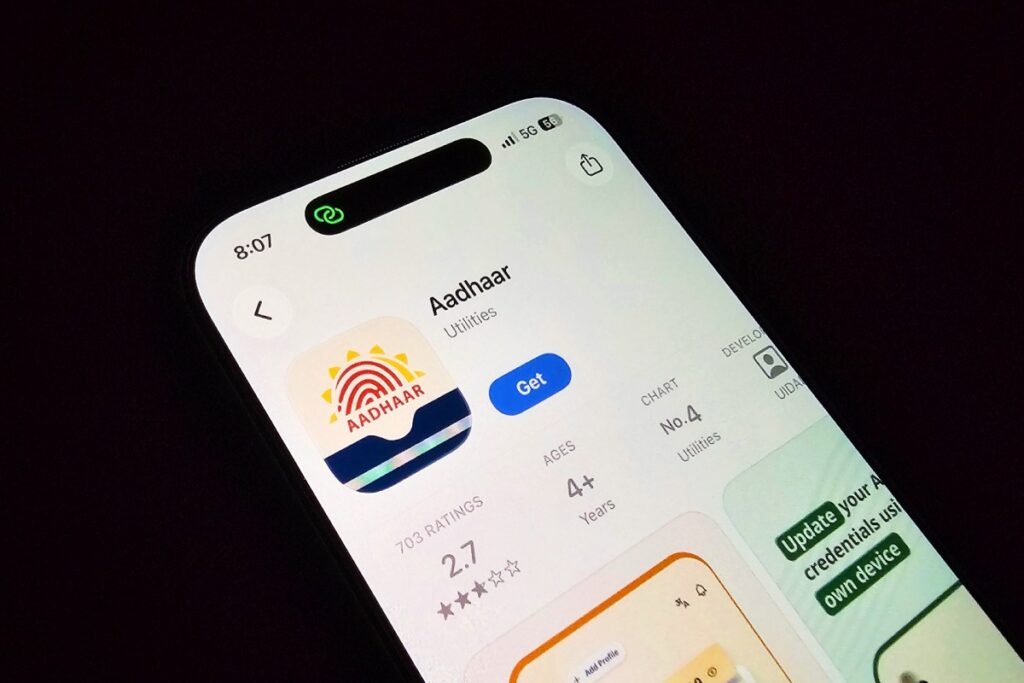
India Expands Aadhaar Digital ID With New Offline App
The Unique Identification Authority of India (UIDAI) has launched a new mobile application and an offline verification framework, marking a significant shift in how the country’s 1.4 billion residents interact with the world’s largest digital identity system. The government-backed initiative, introduced in late January, aims to transition users away from traditional physical document photocopies toward consent-based digital sharing.
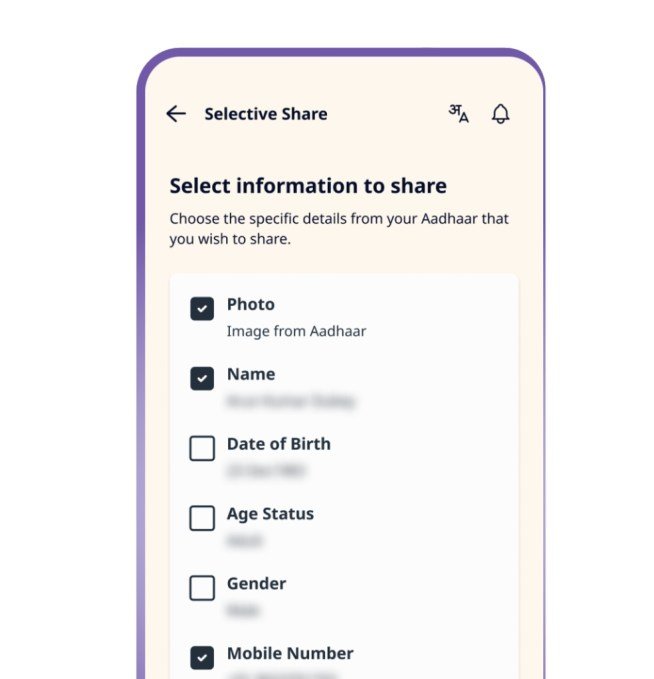
The new platform allows individuals to share specific data points—such as confirming they meet an age requirement—without disclosing their full date of birth. This functionality is intended for use across various sectors, including hospitality, workplace onboarding, and housing management. The system is designed to operate without real-time queries to the central Aadhaar database, enabling verification at scale.
Rapid Adoption and Integration
Despite being a recent arrival, the application has seen significant traction. Data from Appfigures indicates that monthly installs for Aadhaar-related apps surged from approximately 2 million in October 2025 to nearly 9 million by December. The infrastructure supporting this is immense, with the UIDAI dashboard reporting over 2.5 billion authentication transactions per month.
The government is also broadening the ecosystem through strategic digital partnerships:
- Digital Wallets: Integration with Google Wallet is underway, joining existing support for Samsung Wallet, with discussions ongoing for Apple Wallet.
- Law Enforcement: The Ahmedabad City Crime Branch has pioneered the use of offline verification through PATHIK, a platform designed to monitor guest data in hotels.
- Networking: UIDAI is promoting the app as a “digital visiting card,” allowing users to share contact and personal details via QR codes.
Privacy and Regulatory Concerns
The expansion has drawn sharp criticism from civil liberties groups, who argue that the shift does not address fundamental structural risks. Raman Jit Singh Chima, Asia Pacific policy director at Access Now, noted that pushing Aadhaar into private-sector settings before India’s data protection framework is fully operational is premature.
“The fact that this has gone ahead at this point of time seems to indicate a preference to continue the expansion of the use of Aadhaar, even if it is unclear in terms of the further risks that it might pose to the system,” Chima told TechCrunch.
Legal advocates, including Prasanth Sugathan of SFLC.in, emphasized that the app fails to resolve long-standing issues regarding database inaccuracies and poor redress mechanisms. Campaigners from the group Rethink Aadhaar also warned of “Aadhaar creep,” suggesting that normalizing its use in daily private interactions contradicts the spirit of a 2018 Supreme Court judgment that limited private-sector reliance on the identity system.
As of this report, the Indian IT ministry and the UIDAI CEO have not responded to requests for comment regarding these concerns.