Deezer Opens AI-Detection Tool to Rivals to Curb Fraud
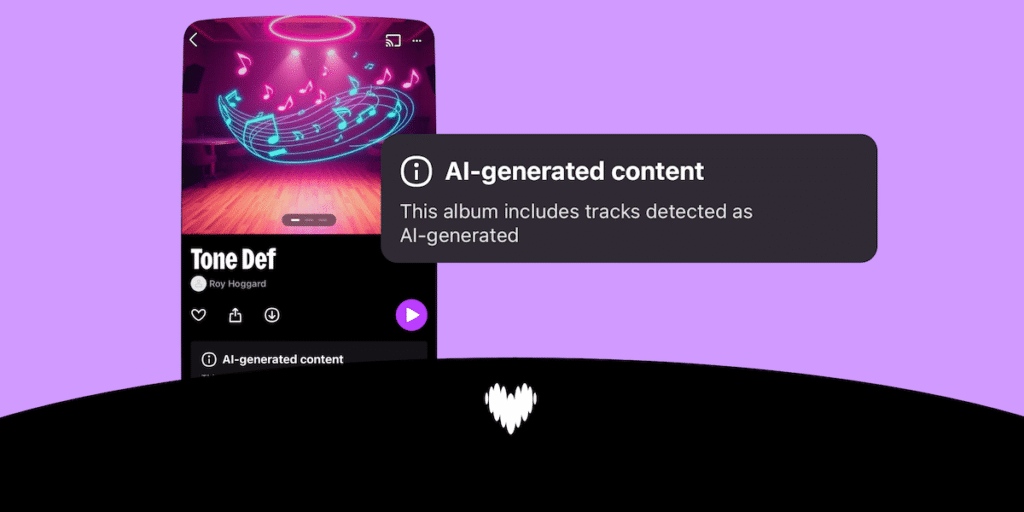
Deezer is expanding the reach of its proprietary technology designed to identify AI-generated music, offering the tool to other streaming platforms. The initiative aims to standardize how the industry handles the surge in synthetic audio and fraudulent streaming practices, ensuring that human creators remain the primary beneficiaries of royalty pools.
The streaming giant announced the move on Thursday, citing a need for greater transparency. By providing this technology to competitors, Deezer seeks to mitigate the impact of AI content that has increasingly cluttered music catalogs and skewed royalty distributions.
The Scale of AI Proliferation
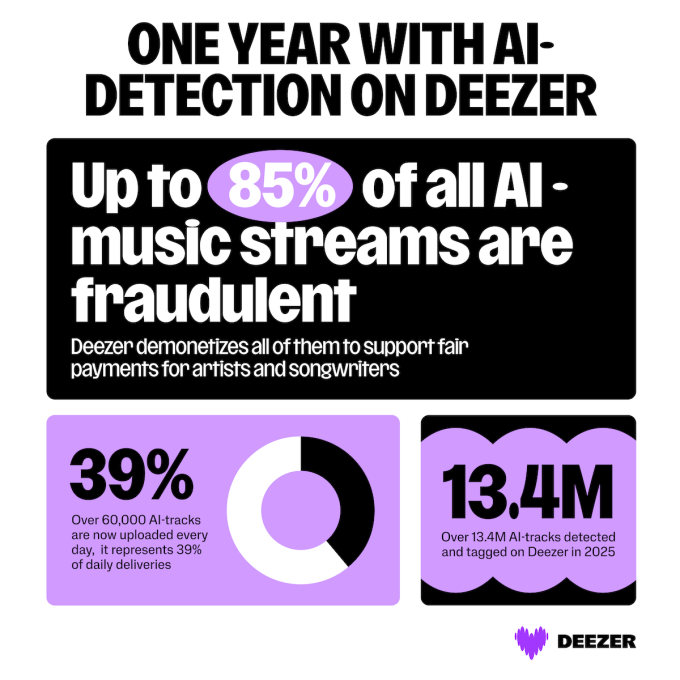
The scope of the problem is significant. Deezer reports that it currently processes 60,000 AI-generated tracks daily, with a cumulative total of 13.4 million identified songs. The company notes that 85% of streams involving fully AI-generated tracks are classified as fraudulent. To put this growth into perspective, as recently as June of last year, AI content accounted for only 18% of daily uploads, or roughly 20,000 tracks.
Deezer’s system is designed to identify output from major generative models, including Suno and Udio. According to a company spokesperson, the tool boasts an accuracy rate of 99.8%. When detected, these tracks are automatically excluded from algorithmic and editorial recommendations and demonetized to protect the royalty pool for human songwriters.
Industry Adoption and Legal Context
CEO Alexis Lanternier confirmed that there is “great interest” in the technology, with several unnamed companies already completing successful trials. Among those engaging with the solution is Sacem, the French management organization representing over 300,000 creators, including high-profile artists like David Guetta and DJ Snake.
While Deezer has not disclosed pricing, they indicated that costs are determined on a deal-by-deal basis. This move comes as the music industry grapples with high-profile streaming fraud cases, such as the 2024 DOJ indictment of a North Carolina musician accused of using AI and bots to siphon over $10 million in royalties.
The landscape remains fractured regarding AI integration:
- Regulatory stance: Bandcamp has implemented a total ban on AI-generated content.
- Platform policy: Spotify has updated its terms to target spam and unauthorized voice cloning.
- Label partnerships: Major entities like Universal Music Group and Warner Music Group have begun licensing their catalogs to AI startups like Suno and Udio to ensure proper compensation.
Deezer continues to position itself as a proponent of artist rights. In 2024, it became the first streaming service to sign the global statement on AI training, aligning with prominent figures in the creative arts to demand transparency in how AI models are developed.