
WhatsApp Faces New Regulatory Hurdles in India
WhatsApp is bracing for a significant operational shift in India, its largest global market, following new government mandates that could fundamentally alter how the platform functions. Authorities in New Delhi have issued directives requiring messaging services to enforce stricter links between user accounts and active SIM cards, a move aimed at combating a surge in cyber fraud.
The regulations, which must be implemented within 90 days of their November 28 issuance, impose a mandatory continuous binding between a user’s account and their SIM card. Furthermore, the government has mandated that web and desktop versions of these messaging apps require users to log out every six hours, necessitating a re-link via QR code to regain access. These rules apply to major platforms, including Meta’s WhatsApp, Signal, and Telegram.
India’s telecom ministry stated that these measures are designed to restore the traceability of phone numbers frequently linked to investment scams, phishing, and “digital arrest” schemes. According to official data, the nation recorded cyber-fraud losses exceeding ₹228 billion—approximately $2.5 billion—throughout 2024.
Impact on Small Businesses
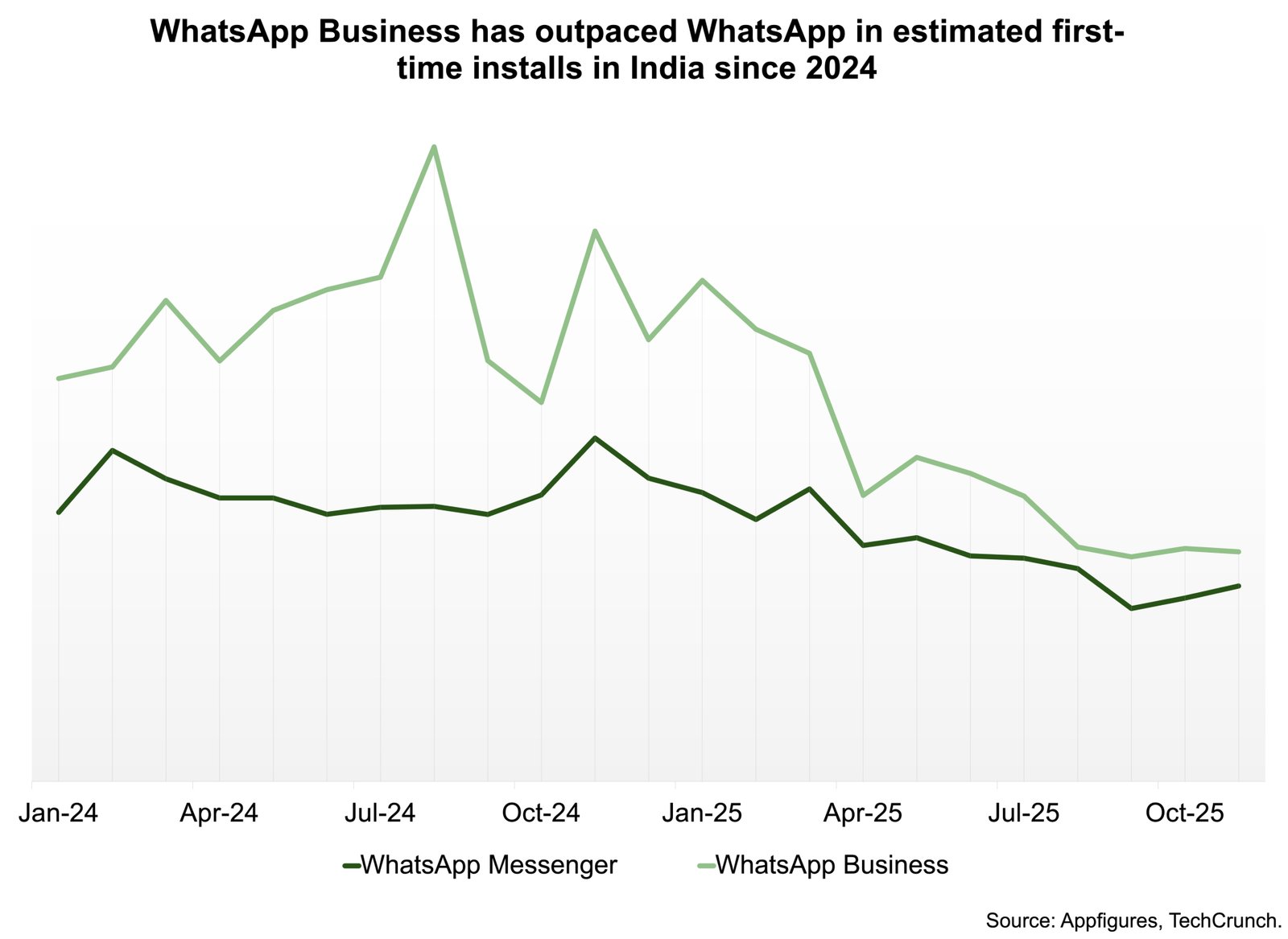
While the directive is broad, it poses a unique challenge to the millions of Indian merchants who rely on the WhatsApp Business app. Unlike larger enterprises that utilize WhatsApp’s Business APIs, small shop owners often manage customer inquiries via desktop or web interfaces while keeping their accounts registered on a single SIM-linked phone.
For these users, the requirement for frequent forced logouts threatens to disrupt essential workflows, including order management and customer support. The scale of this dependency is significant: according to Sensor Tower data, 67% of WhatsApp Business users in India opened the app daily in November, highlighting its role as critical infrastructure for local commerce.
Regulatory and Technical Concerns
Industry groups and policy experts have voiced concerns over the feasibility of these mandates. The Broadband India Forum (BIF), which includes Meta among its members, warned that the rules could lead to “material inconvenience and service disruption for ordinary users.”
Kazim Rizvi, founding director of the think tank The Dialogue, noted that the directives introduce a contested classification of “Telecommunication Identifier User Entities” (TIUEs). This effectively places messaging apps under a telecom regulatory framework rather than the traditional IT Act, a shift achieved via executive order rather than formal legislation.
“The lack of public consultations or technical working groups risks creating compliance friction without addressing the underlying fraud vectors,” Rizvi told TechCrunch.
Legal experts suggest that challenging these rules will be difficult. Dhruv Garg, a tech policy advisor at the Indian Governance and Policy Project, explained that companies would need to prove the directives violate constitutional protections or exceed the scope of existing law—a high bar in the current regulatory environment.
As WhatsApp’s growth in India shifts from new user acquisition to deep retention, these regulatory pressures represent a testing moment for Meta’s most entrenched market. Meta declined to comment on the matter.