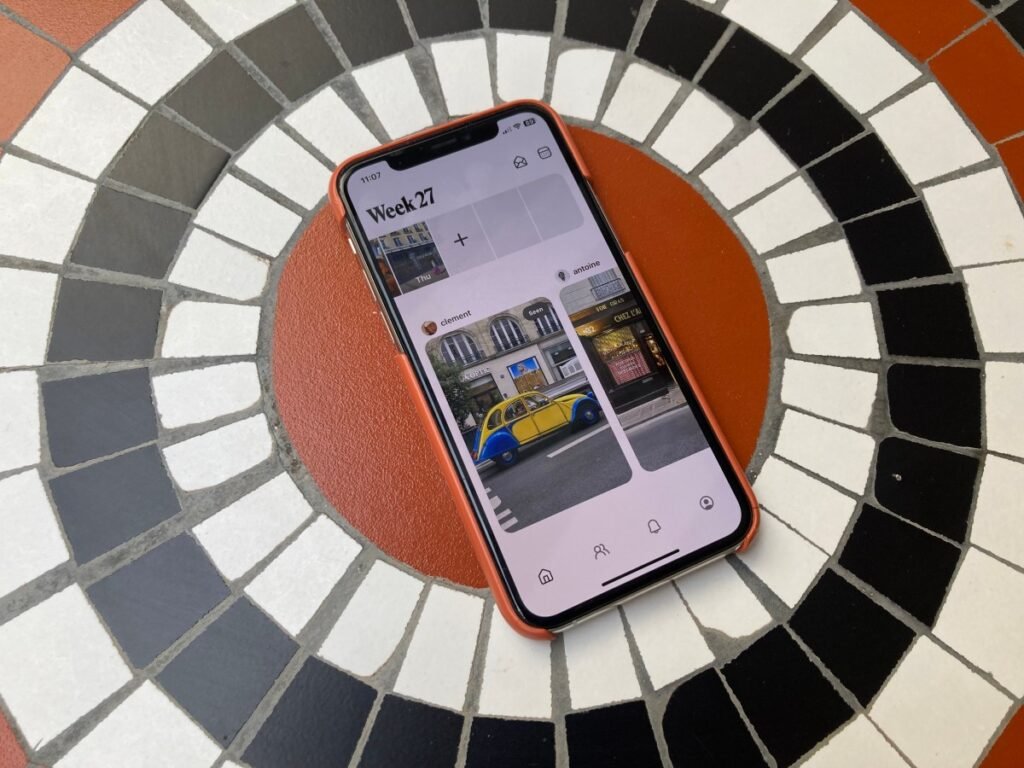
Retro App Adds ‘Rewind’ Feature to Navigate Camera Roll Memories
The photo-sharing platform Retro is rolling out a new feature called “Rewind,” designed to help its million-strong user base revisit personal history stored in their device’s camera roll. Unlike the app’s existing social feed, which focuses on weekly updates shared among private groups, this latest addition functions as a private, interactive archive of personal memories.
Nathan Sharp, who co-founded the startup alongside CTO Ryan Olson in 2022, identified a disconnect between how many photos people capture and how rarely they actually engage with that content. “People take more photos than ever, but they actually do less with that volume of photos than ever before. So it’s almost as if those photos go into the ether,” Sharp noted.

How Rewind Works
The interface is designed to evoke nostalgia through tactile feedback. When users navigate to the new middle tab in the bottom navigation bar, they are presented with an interface that mimics an iPod-style dial. As users spin the dial to traverse their timeline, the phone provides haptic vibrations to signal the loading of new memory sets.
- Interactive Navigation: Users can scroll forward or backward in time, pausing to view specific images.
- Custom Controls: A “dice” icon allows for jumping to a random memory, and users can hide specific photos—such as those featuring ex-partners—they prefer not to see.
- Sharing Options: While the archive is private by default, users can tap a share icon to post a memory. Shared photos include a timestamp so recipients understand the image is from the past.
- Storage Management: The app excludes screenshots from the archive. Notably, if a user deletes a photo within the app, it is also removed from the phone’s primary camera roll.

Positioning Against Algorithmic Trends
Sharp views Rewind as a counter-move to the dominance of AI-generated content and algorithmically curated “for you” feeds. While major platforms like Facebook, Google Photos, and Apple Photos have implemented memory-based features, the Retro team believes their social-first approach differentiates them.
“As people engage with those platforms more and more, something that has to be true and will be true is that people will still want to see more of their friends,” said Sharp, who previously spent six years at Meta working on Instagram Stories and Facebook Dating. He argues that while tech giants treat photo libraries as utility storage, Retro focuses on the social context of those images.

Currently, nearly 45.7% of Retro users engage with the app daily. By providing a more accessible way to surface older photos—especially for new users who previously lacked enough uploaded content to trigger the app’s existing “this week in” memories—the company aims to further deepen user retention.