Nvidia Unveils RTX Spark CPU to Capture $200B AI PC Market
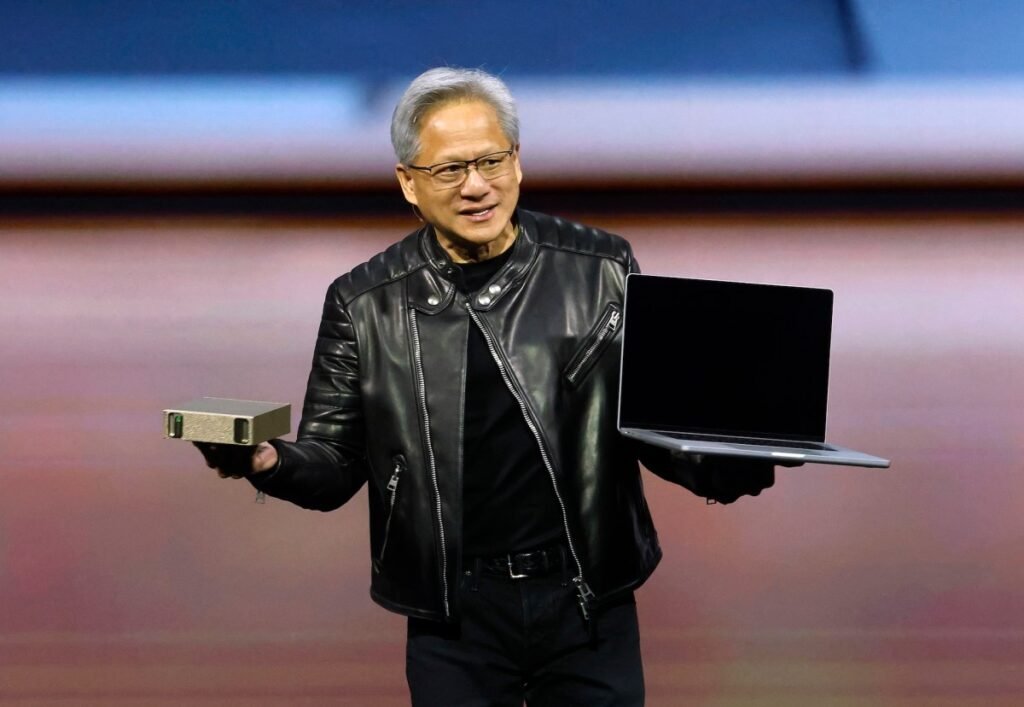
Nvidia kicked off the Computex trade show in Taipei this Sunday by setting its sights on a massive $200 billion opportunity: the personal computer CPU market. The company introduced the RTX Spark, a high-performance “superchip” designed to transition PCs from traditional manual tools into autonomous AI-agent machines.
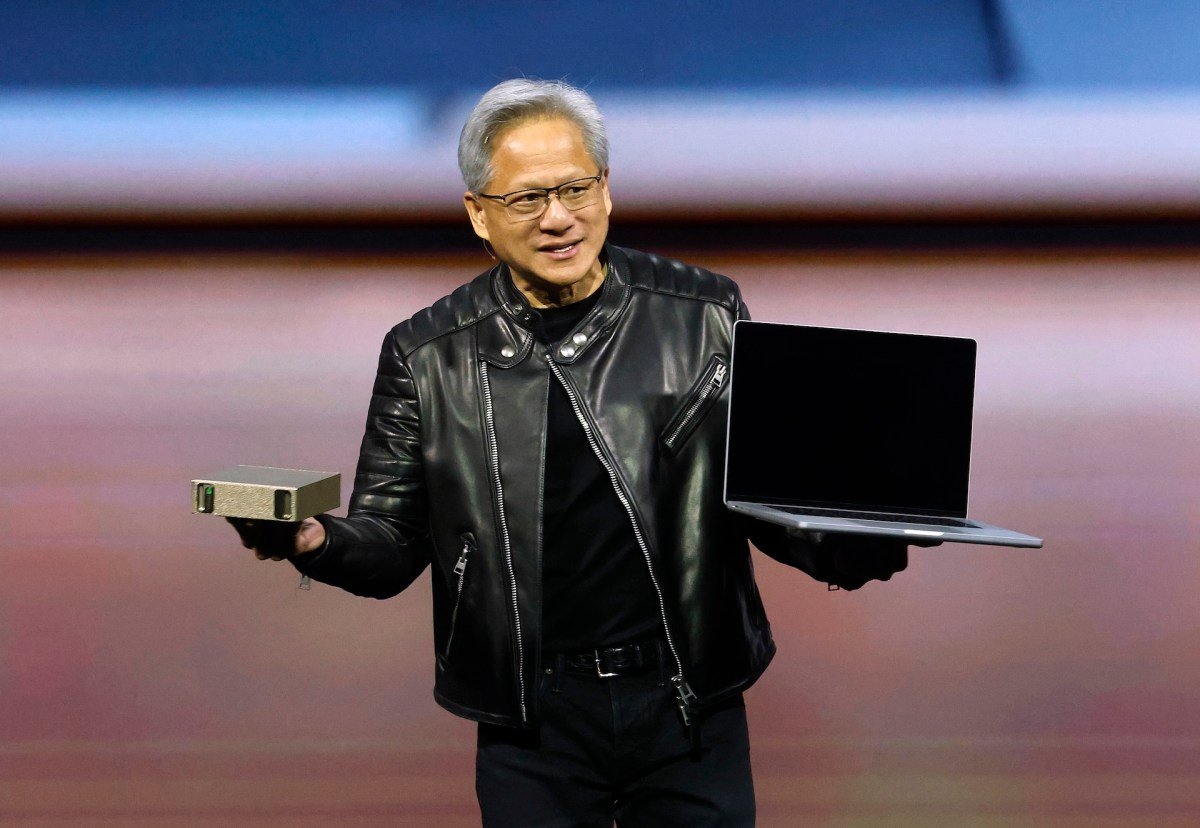
The 1-petaflop processor is engineered to handle complex AI tasks, including the secure operation of agents like Hermes Agent or OpenClaw. Nvidia confirmed that a wide range of manufacturers will launch devices equipped with the chip this fall, including:
- Dell and HP
- ASUS and MSI
- Lenovo
- Microsoft Surface
- Acer and Gigabyte (to follow)
The Vision for AI Agents
Nvidia CEO Jensen Huang is positioning the RTX Spark as a fundamental shift in how users interact with technology. The goal is to move beyond the current paradigm of clicking, typing, and launching individual applications. “With RTX Spark and Microsoft Windows, you ask — and the PC does the work,” Huang stated, highlighting the chip’s ability to handle frontier models and creative workflows locally on a laptop.
To ensure these agents operate safely, the new PCs feature secure “sandboxes” developed in collaboration with Microsoft. These systems integrate the necessary CPU, GPU, and RAM, alongside Nvidia’s CUDA software, to support local large language models without relying solely on cloud processing.
Broader Ecosystem Support
Beyond agent-based tasks, Nvidia is leveraging its RTX technology to enhance performance in gaming and creative software. More than 100 Windows software developers have committed to supporting the platform, including major names like Adobe, Blender, Riot Games, Xbox, and ComfyUI. The company claims the chip will improve image quality and accelerate AI features across over 1,000 existing applications.
A Strategic Pivot
This move represents a significant expansion for the chipmaker, which has historically dominated the GPU market. During an earnings call in May, Huang emphasized that the future of computing will involve billions of agents utilizing various tools, necessitating a massive increase in CPU demand. This follows the success of Nvidia’s “Vera” server CPU, which has already generated $20 billion in sales since its release earlier this year.
While previous attempts to integrate Nvidia technology into ARM-based Windows devices—such as the 2013 Surface RT—struggled, the company is betting that the RTX Spark’s raw power will change the narrative. Microsoft is already backing this vision, branding its upcoming device as the “Surface Laptop Ultra” and calling it the most powerful model ever built.
While specific pricing remains unannounced, the new hardware appears to mirror the capabilities of Nvidia’s DGX Spark mini-computer, which currently retails for approximately $4,800. Whether these consumer-facing PCs will target the premium market or compete with more affordable alternatives remains to be seen as the fall release window approaches.