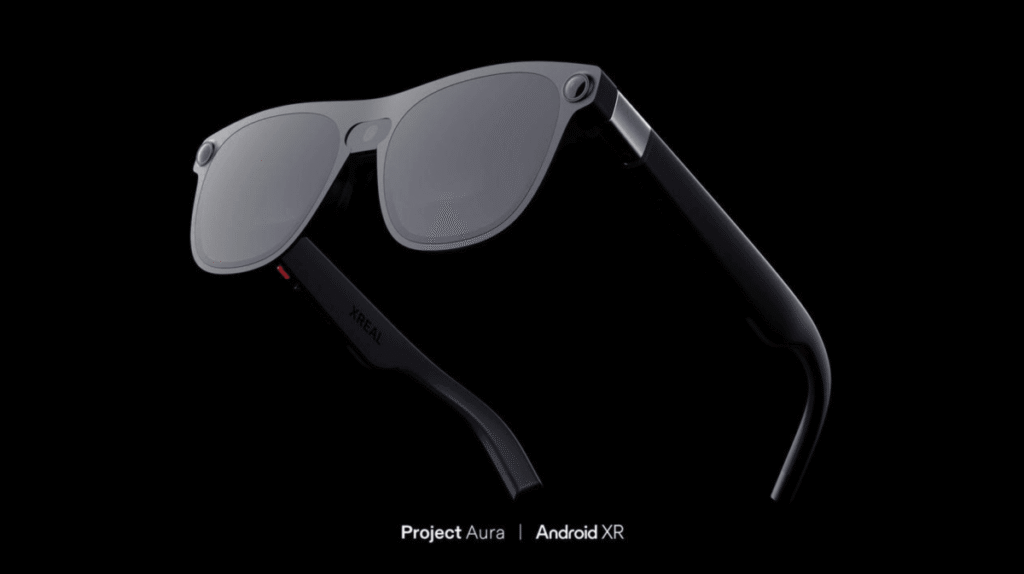
Xreal Targets Profitability With New Aura Smart Glasses
The smart glasses sector has long been viewed as a financial challenge, often characterized by massive industry investments that fail to yield consistent profits. Chi Xu, founder and CEO of Xreal, believes the company is finally poised to overcome these hurdles as the market approaches a critical inflection point.
During Google’s I/O conference in Mountain View, Xu highlighted the complexities of the hardware space, noting that success requires a delicate balance of robust hardware, a refined operating system, and an intuitive user interface. While competitors like Meta have seen high unit sales through partnerships, such as the collaboration with Ray-Ban, the industry remains a high-stakes environment where profitability is rare.
Project Aura: Bridging Hardware and Utility
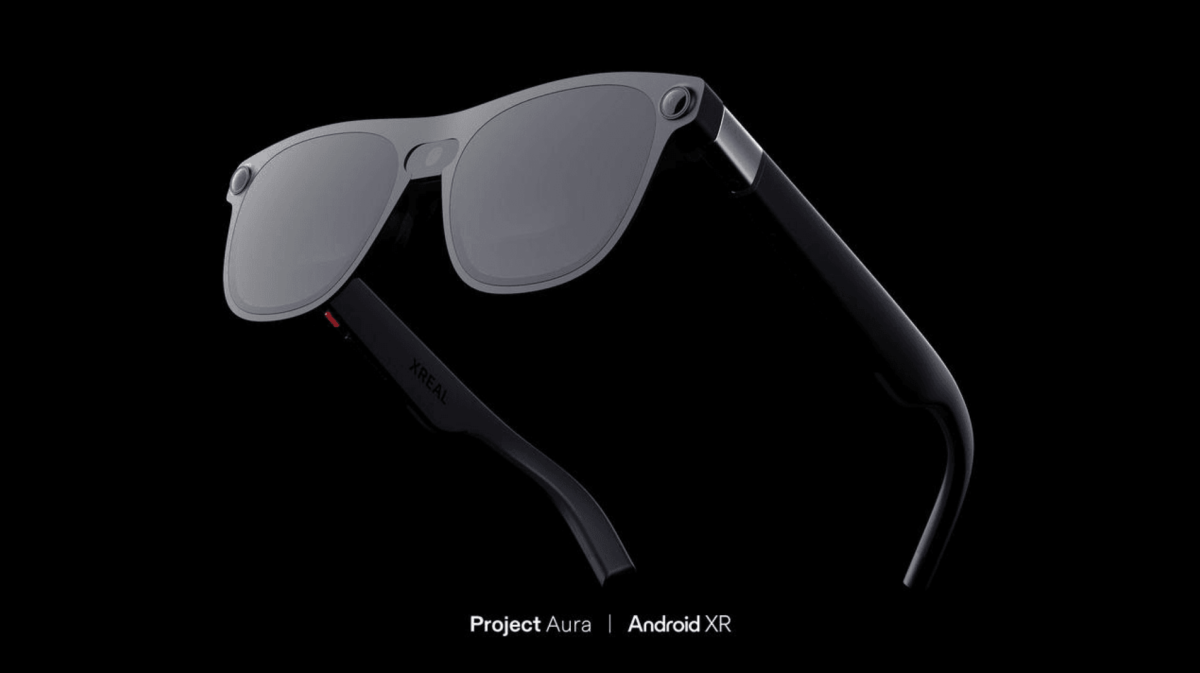
Xreal’s latest initiative, Project Aura, utilizes wired smart glasses equipped with integrated OLED displays. To maintain a lightweight profile, the system relies on a tethered, phone-shaped computing “puck” that powers the device while fitting into a user’s pocket.
The company is positioning these glasses for both leisure and professional productivity. Key features of the current developer-focused model include:
- Immersive Google Maps integration.
- Virtual reality YouTube streaming.
- Hand-tracking capabilities for holographic design and gaming.
- Web browsing and private workspace emulation.
Xu envisions a future where the device serves as a primary tool for remote work, stating, “It’s not just about watching the NBA game in a hologram type of format; you could also go to a coffee shop and do some work.”
The Path to Commercialization and Profit
Currently limited to developer access, the Aura glasses are slated for a commercial release later in 2026. This launch aligns with the company’s broader financial strategy, which includes an anticipated IPO before the end of the year.
Regarding the company’s internal financial health, Xu emphasized a shift toward operational efficiency. By scaling back marketing and sales expenditures while simultaneously increasing gross margins, Xreal is targeting a break-even point in 2027. For now, the firm continues to navigate a market that industry leaders hope will finally move beyond the experimental phase.
For more details on the capabilities of the new hardware, see the official Xreal project overview.