
LetinAR Secures $18.5M to Power Future AI Smart Glasses
The race to define the next generation of wearable AI is heating up, and while Big Tech giants dominate the headlines, a South Korean startup is quietly building the critical hardware that could make smart glasses truly practical. LetinAR, a specialist in optical modules, has secured $18.5 million in a new funding round to scale its operations ahead of a planned 2027 IPO.
The investment, supported by the Korea Development Bank and Lotte Ventures, brings the Seoul-based company’s total capital raised to $41.7 million. This infusion of capital arrives as the global market for AI-enabled eyewear experiences a significant surge, with shipments reaching 8.7 million units in 2025—a 300% increase from the previous year—and projections suggesting that number will surpass 15 million in 2026, according to data from Omdia.
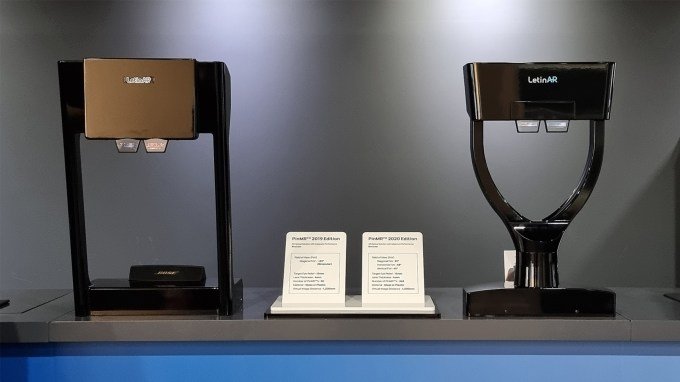
Engineering the “Next Platform”
Founded in 2016 by CEO Jaehyeok Kim and CTO Jeonghun Ha, LetinAR focuses on the most difficult hurdle in the sector: the optical module. To transition smart glasses from bulky headsets to everyday accessories, the internal components must be thin, lightweight, and highly power-efficient.
The company’s proprietary technology, dubbed PinTILT, utilizes a series of tiny optical elements to project images directly into the user’s eye. Ha explains that this method addresses the inefficiencies of current industry standards:
- Waveguide: Often used to create wide images, this approach spreads light across the lens, resulting in significant light loss, dimmer visuals, and increased battery drain.
- Birdbath: While effective at directing light, this mirror-based architecture is typically too bulky for standard eyeglass frames.
- PinTILT: By precisely angling light toward the pupil, LetinAR claims to deliver brighter images while maintaining a thinner form factor and consuming less power.
Real-World Applications
LetinAR is already moving beyond the prototype stage. The company currently supplies modules to firms like Japan’s NTT QONOQ Devices and Dynabook. Perhaps its most demanding use case is a partnership with Aegis Rider, a Swiss startup developing AI-powered motorcycle helmets.
Using LetinAR’s optics, the Aegis Rider helmet projects navigation, speed, and safety alerts directly onto the road ahead of the rider. The system is scheduled for deployment in European and Swiss markets as early as this year.
As major players like Meta, Samsung, and Huawei accelerate their own AI glasses development—with Samsung reportedly preparing a collaboration with Gentle Monster—LetinAR is positioning itself as a vital component supplier. The startup remains in R&D discussions with several major technology firms, signaling that the demand for high-performance optics is set to grow as AI integration becomes a standard feature in consumer hardware.