Apple Shifts Strategy at WWDC 2026 After Legal Settlement
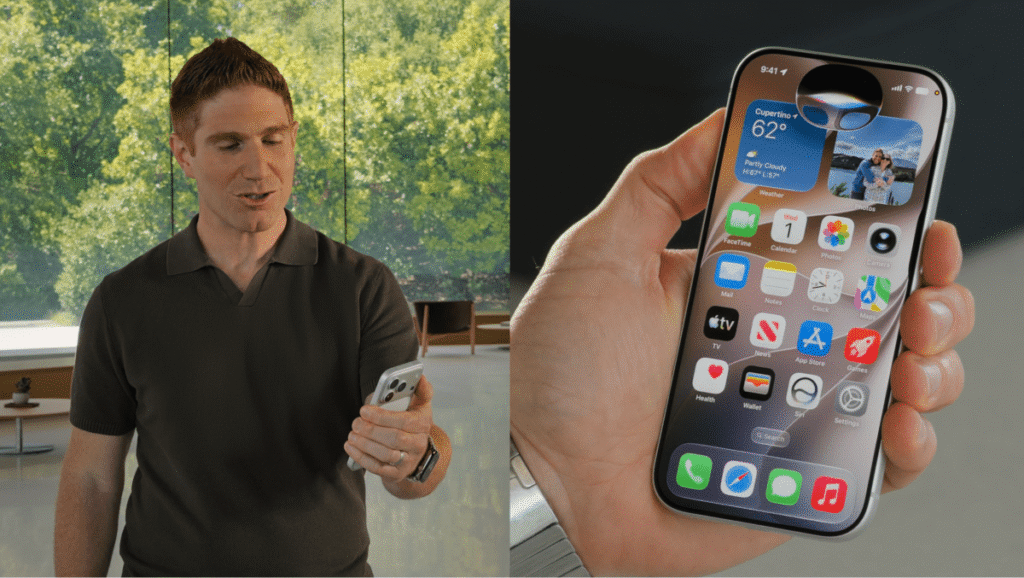
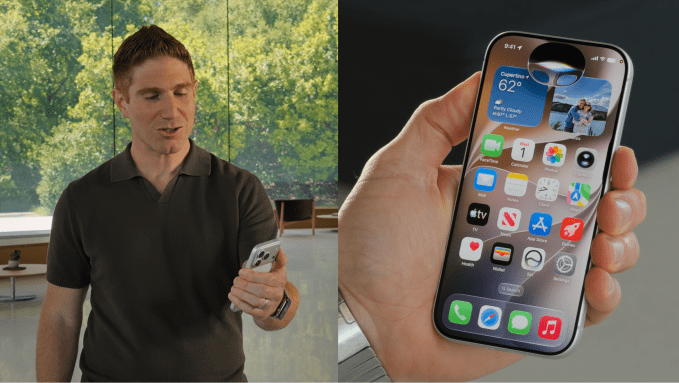
Apple’s WWDC 2026 keynote marked a distinct departure from the polished, heavily produced marketing videos that defined its 2024 AI debut. Instead of relying solely on stylized clips, the company showcased its new artificial intelligence capabilities through “live-like” demonstrations, featuring presenters using the technology on actual devices in real time.
This shift in presentation style arrives just one month after Apple agreed to a $250 million settlement to resolve a federal class-action lawsuit. The litigation alleged that the company engaged in false advertising regarding the capabilities of Apple Intelligence and Siri when they were first announced at the 2024 developers conference.
A Pivot to Proven Features
The 2024 event, which was criticized by some as showcasing “vaporware,” promised features that ultimately took much longer to reach consumers than initially suggested. By March 2025, Apple acknowledged to Daring Fireball that the rollout was lagging, leading to the subsequent legal challenges regarding the company’s reputation for reliability.
This year, the message behind the staging appeared to be one of immediate functionality. By showing someone holding a device, pressing buttons, and receiving real-time AI responses, Apple aimed to provide visual proof that the software is ready for deployment. While the company still utilized some pre-recorded segments for specific features, the focus on “live-like” interaction served as a clear attempt to rebuild trust.
Hardware Compatibility
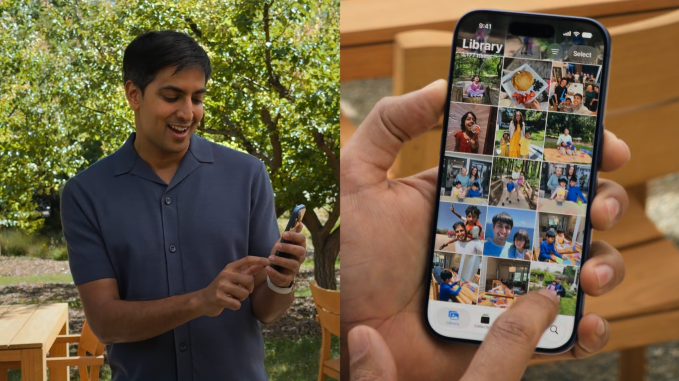
In a move that avoids creating additional pressure for immediate hardware upgrades, Apple confirmed that the new AI features will not be exclusive to the latest devices. According to the company’s announcement, the revamped Siri and other AI integrations will be available via iOS 27 on:
- iPhone 15 Pro and Pro Max
- All iPhone 16 models and subsequent releases
The update extends across the broader Apple ecosystem as well. Support includes the iPad mini (A17 Pro), iPad models with M1 or later, MacBook Neo (A18 Pro), and Mac computers equipped with M1 chips or newer. Wearables, including the Apple Watch Series 10 and Ultra 2, will also gain access when tethered to a compatible iPhone.