Apple Prioritizes System Fixes Ahead of AI at WWDC
Apple’s Worldwide Developer Conference (WWDC) opened this Monday with a strategic pivot. Rather than leading with the highly anticipated AI-powered Siri, the company’s senior vice president of Software Engineering, Craig Federighi, dedicated the event’s initial segment to addressing a backlog of technical repairs and user experience refinements.
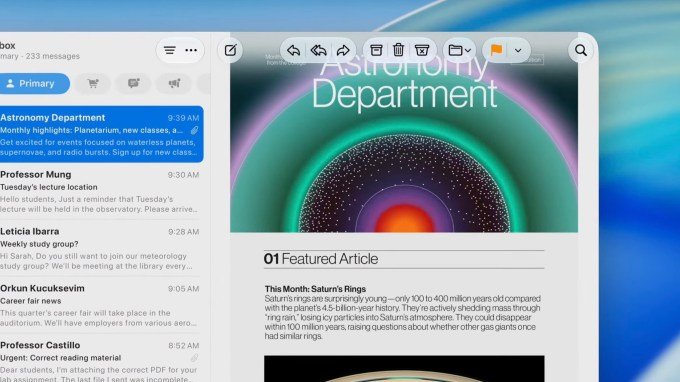
The messaging was clear: Apple is focusing on stabilizing its core foundation before asking users to entrust the company with the complexities of generative AI. This sequence of announcements served as a silent acknowledgment of persistent user complaints regarding navigation, file-sharing reliability, and design consistency.
“Instead of just introducing a host of new features, we’re also taking the features you already rely on and making them even better, because we believe the best operating systems aren’t just built on big breakthroughs, they’re built on sweating the details,” Federighi explained.
Refining the Design and Performance
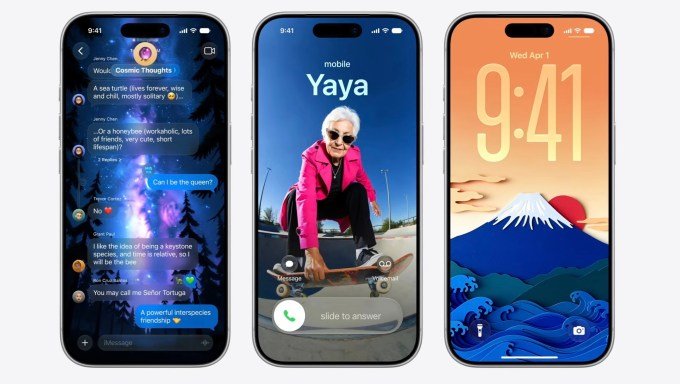
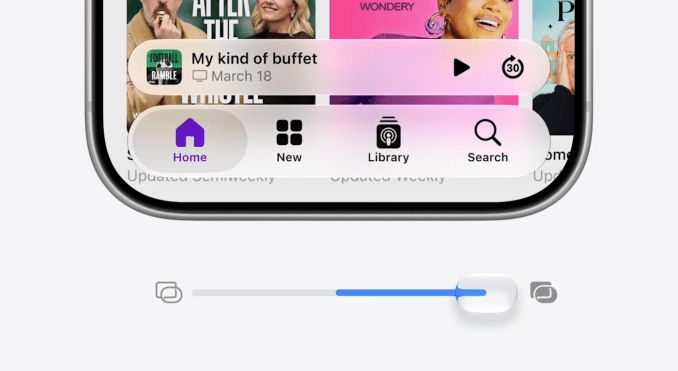
A primary point of contention addressed during the keynote was the “Liquid Glass” design language. Introduced in iOS 26, the aesthetic had drawn significant criticism for impacting readability and usability. In response, Apple is introducing a new customization slider, allowing users to adjust the transparency and tint of the interface to their preference.
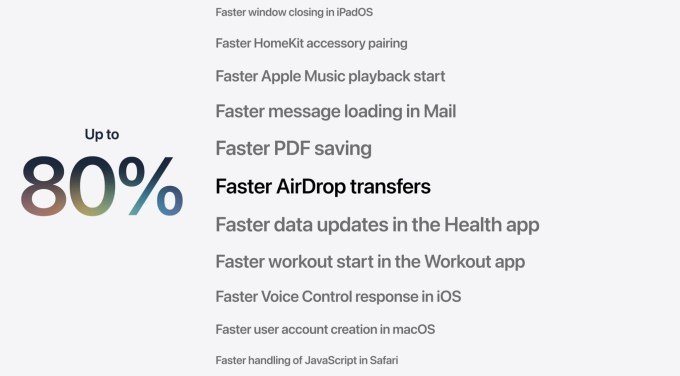
Beyond aesthetics, Apple prioritized speed and stability across its ecosystem. Significant performance gains were highlighted for older hardware, with improvements extending back to the iPhone 11:
- App Launch Speeds: 30% faster on iPhone and iPad.
- Photo Library Loading: Up to 70% faster.
- AirDrop Transfers: Up to 80% faster.
Addressing Feature Gaps
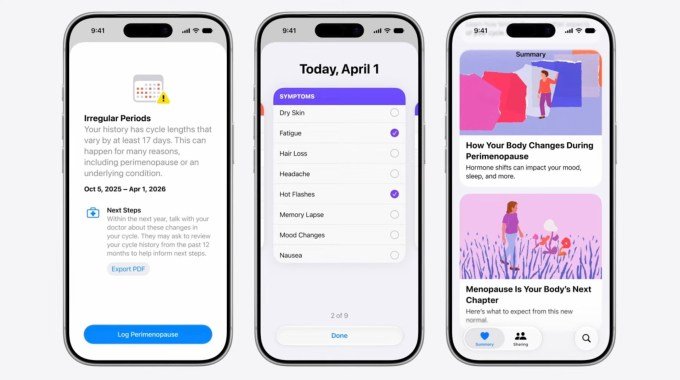
The updates also touched on long-standing requests, including the addition of perimenopause and menopause tracking within the Health app. Furthermore, iCloud shared photo albums are now compatible with contributions from Android and Windows users, significantly broadening the utility of the feature for mixed-platform groups.
The AI Integration
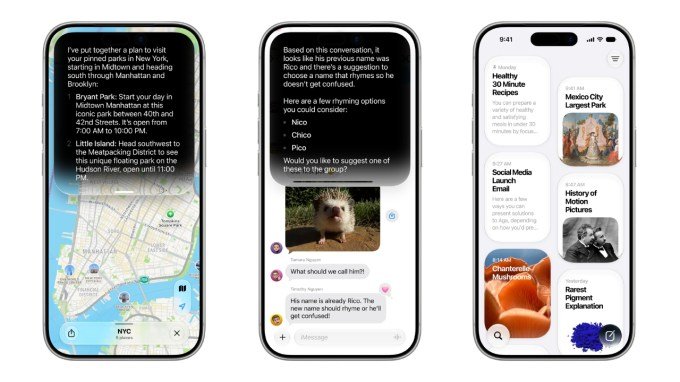
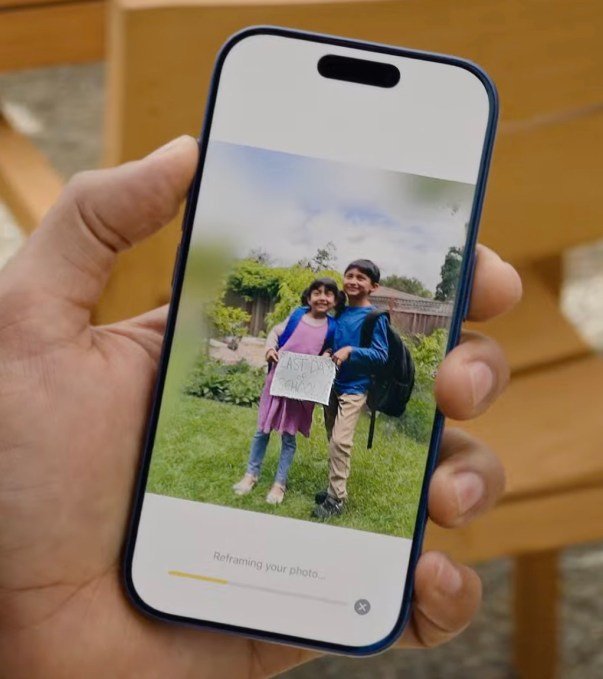
Once the foundational updates were addressed, the company introduced its AI-enhanced Siri. While the feature is set to launch in beta later this year, it will not be available in China or the EU due to ongoing regulatory hurdles. Apple also showcased AI-driven tools for Safari, such as automatic tab organization and custom extension generation, alongside improved photo editing capabilities like “Spatial Reframing,” which allows for retrospective composition adjustments.