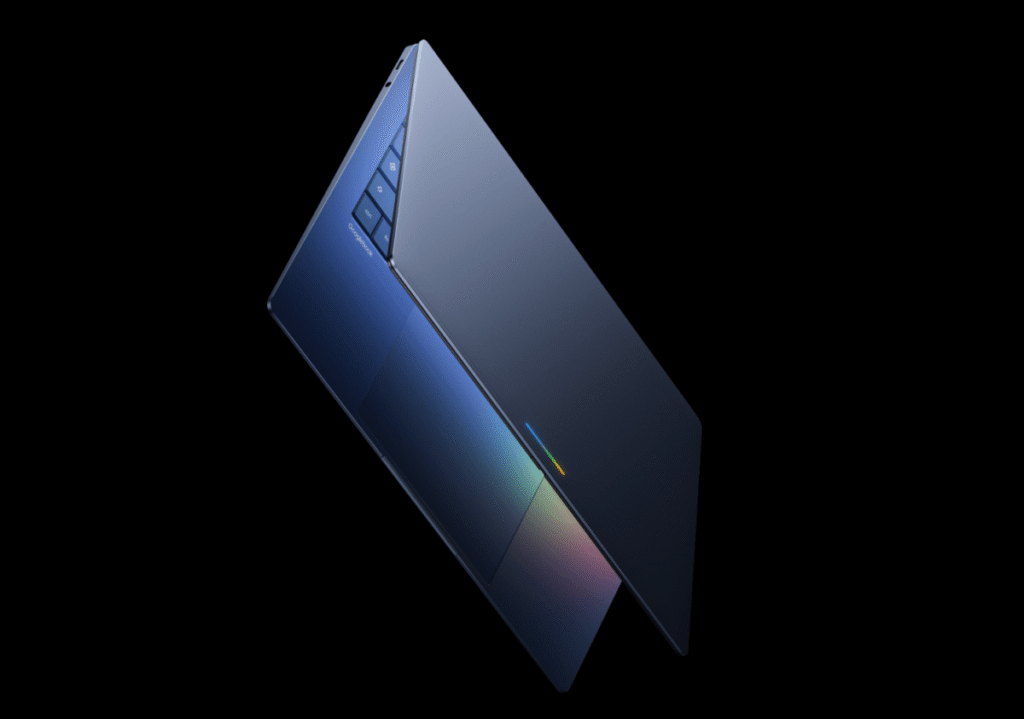
Google Unveils Googlebook: A New Era for AI-Native Laptops
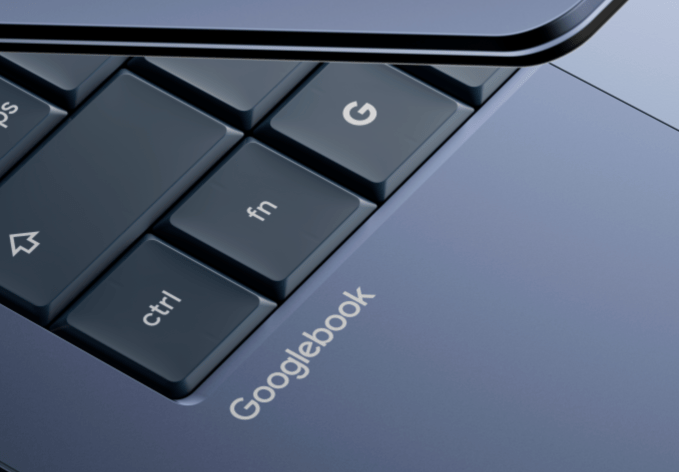
Google has officially unveiled Googlebook, a new series of laptops engineered from the ground up to integrate its flagship Gemini AI models directly into the operating system. Scheduled for a launch this fall, the hardware is being developed in collaboration with major manufacturers including Acer, Asus, Dell, HP, and Lenovo.
This initiative represents a significant platform shift for the tech giant, effectively signaling a transition away from the long-standing ChromeOS toward a new Android-based foundation designed for proactive, AI-driven assistance.
AI-Enhanced Interaction
A core feature of the new hardware is the “Magic Pointer.” By utilizing Gemini’s intelligence, the cursor provides contextual suggestions based on screen content. Alexander Kuscher, Google’s senior director of Android tablets and laptops, explained that the goal is to make the interface truly intelligent without being intrusive.
“As you wiggle and you move over the screen, it will tell you what it can interact with, and contextually offer you the actions that you can do,” Kuscher said. “It really exemplifies how we think about AI features throughout Googlebooks. It’s built in, but not in your face.”
For instance, pointing at a date in an email can trigger an option to schedule a meeting, while selecting two images can allow users to visualize them together.
Deep Ecosystem Integration
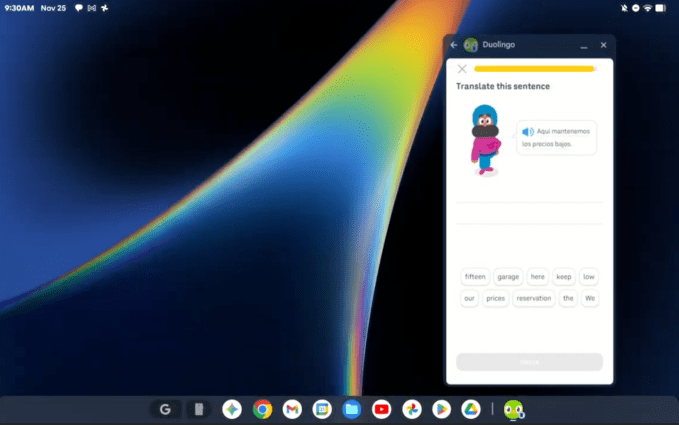
Beyond the cursor, Googlebook offers tight integration with Android devices, enabling users to run phone apps directly on their laptops. Furthermore, the file browser allows for seamless access, searching, and insertion of files stored on paired Android phones.
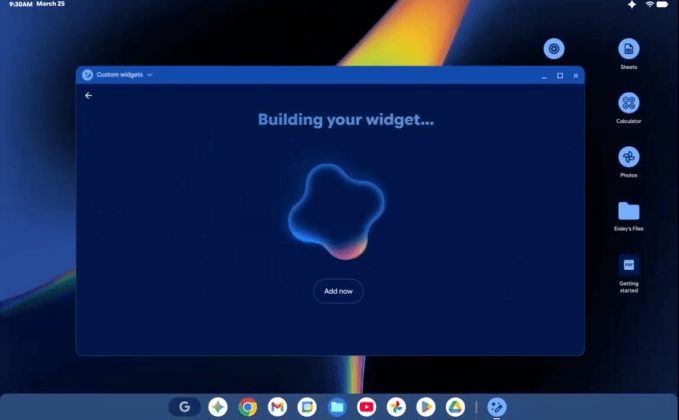
A new “Create your Widget” feature allows users to prompt Gemini to build custom dashboards. By pulling data from the web and connecting with apps like Gmail and Calendar, the system can synthesize information for specific tasks—such as gathering flight, hotel, and restaurant details for a trip.
The Future of the Laptop Lineup
The introduction of Googlebook arrives 15 years after the debut of the Chromebook. While the company has not explicitly stated that Googlebook will replace the Chromebook line, it is positioned to become the successor to Google’s browser-based laptop strategy. A Google spokesperson confirmed that the company remains committed to supporting existing Chromebook users through their current support cycles and noted that many devices may eventually be eligible to transition to the new platform.
This pivot is viewed as a direct competitive response to Microsoft, which has been aggressively promoting its own AI-native Copilot+ PCs since 2024. By integrating AI at the foundation of its operating system, Google is attempting to secure a dominant position in the evolving market for intelligent personal computing.