Runway CEO Proposes AI to Replace $100M Blockbusters
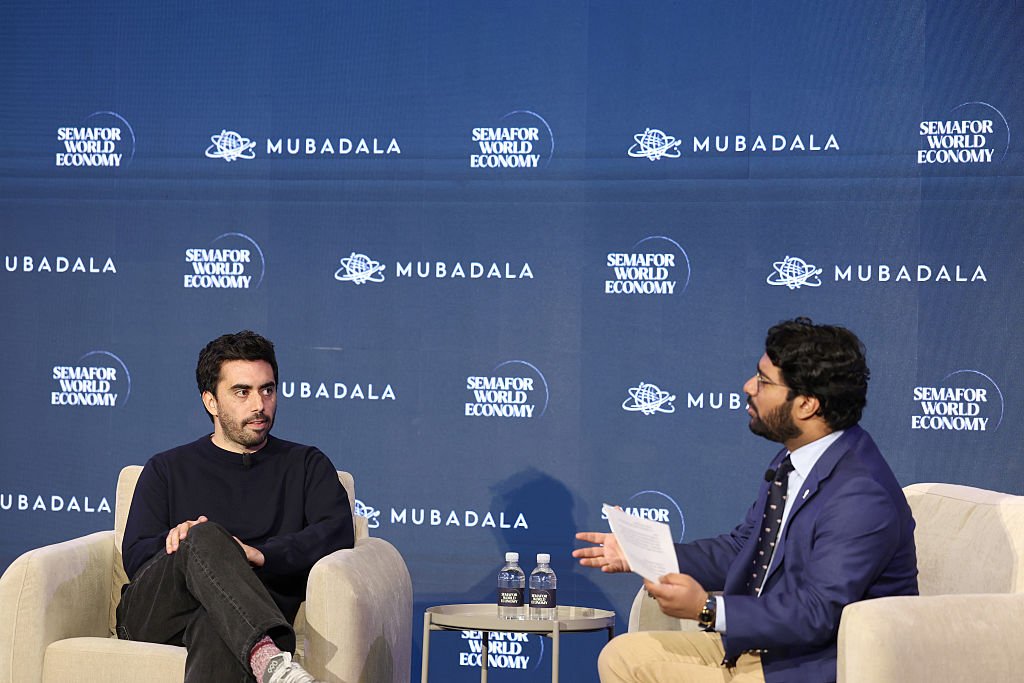
Cristóbal Valenzuela, CEO of the AI video-generation firm Runway, is challenging the traditional Hollywood blockbuster model. Speaking at the Semafor World Economy event, the executive argued that studios should shift their financial strategy away from massive, single-film investments toward a high-volume approach enabled by artificial intelligence.
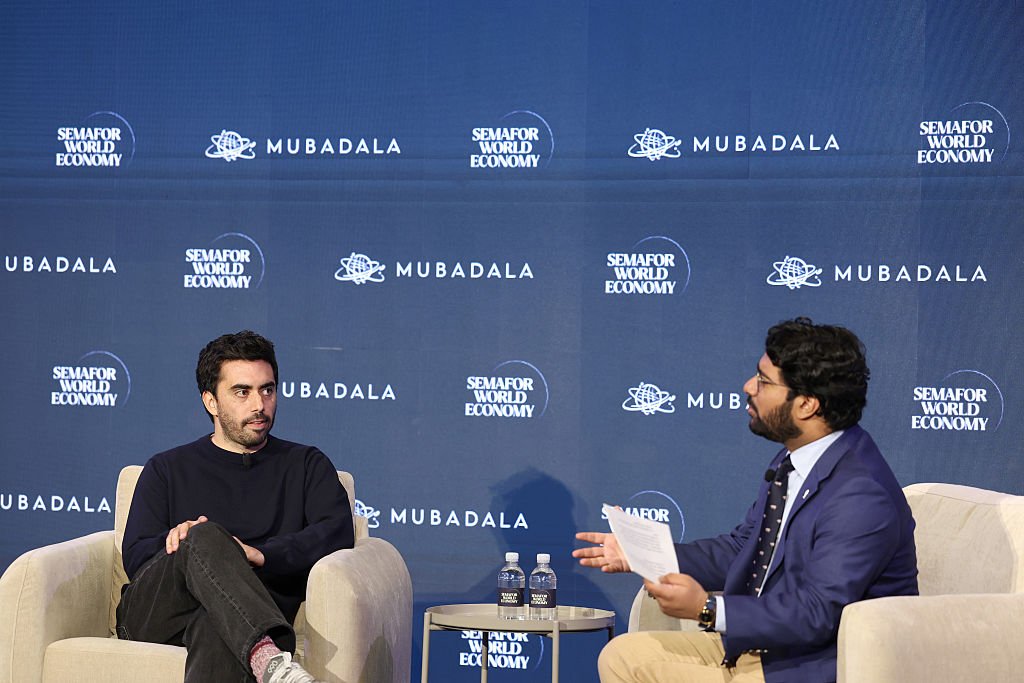
Valenzuela, whose company is currently valued at over $5 billion, proposed a radical reallocation of capital: “If you’re spending a hundred million dollars on making one feature film, which is 90 minutes, imagine taking a hundred million dollars and spending it on, like, 50 movies.”
The Numbers Game of Creativity
According to the Runway founder, the shift is a response to what he describes as a “quantity problem.” By maintaining visual quality while drastically increasing output, studios could theoretically improve their chances of producing a successful project.
- Broadening Access: Runway aims to democratize production for the “billions of people” who previously lacked the tools to create cinema.
- Operational Efficiency: AI is already being deployed across pre-production, scripting, planning, and visual effects.
- Cost Reduction: Industry players like Amazon, Sony Pictures, and various international studios are already leveraging these tools to lower production budgets.
This approach has already begun to manifest in concrete projects. For instance, the upcoming film Bitcoin: Killing Satoshi is set to become the first studio-quality AI feature. As reported by TheWrap, the production costs for the film were reduced to $70 million, down from an estimated $300 million for a traditional equivalent.
Shifting Industry Perspectives
While the proposal has met with resistance from those who view filmmaking as a specialized artistic endeavor, Valenzuela suggests the skepticism is rooted in a misunderstanding of the technology. He drew a parallel to the publishing industry, noting that while millions of books are produced annually—far more than any single person can consume—the global culture benefits from a lower barrier to entry for storytelling.
Even prominent figures in the industry, such as James Cameron, have expressed support for AI as a means to sustain blockbuster production without resorting to mass layoffs. Despite the ongoing controversy surrounding AI’s role in creative markets, Valenzuela remains firm that the industry is undergoing a rapid transformation, moving toward a landscape where content creation is more accessible, affordable, and frequent.