Apple Mac Sales Surge Driven by Unexpected AI Demand
Apple’s latest quarterly results highlight a surprising shift in hardware performance: while the iPhone and Services remained the primary revenue drivers, the Mac segment significantly outperformed market expectations. The company reported $8.4 billion in Mac revenue for the second quarter, which ended on March 28, comfortably beating the $8 billion forecast anticipated by Wall Street analysts.
Contrary to predictions that sales would remain stagnant year-over-year, Apple achieved a 6% annual growth in this category. This performance contributed to an overall quarterly revenue of $111.2 billion, representing a 17% increase compared to the same period in the previous year.
The AI Factor and Supply Constraints
During the Q2 earnings call, CEO Tim Cook attributed much of this momentum to the growing utility of Mac devices for running local AI models, such as OpenClaw. This shift in consumer behavior caught the company off guard, leading to inventory shortages for high-performance hardware.
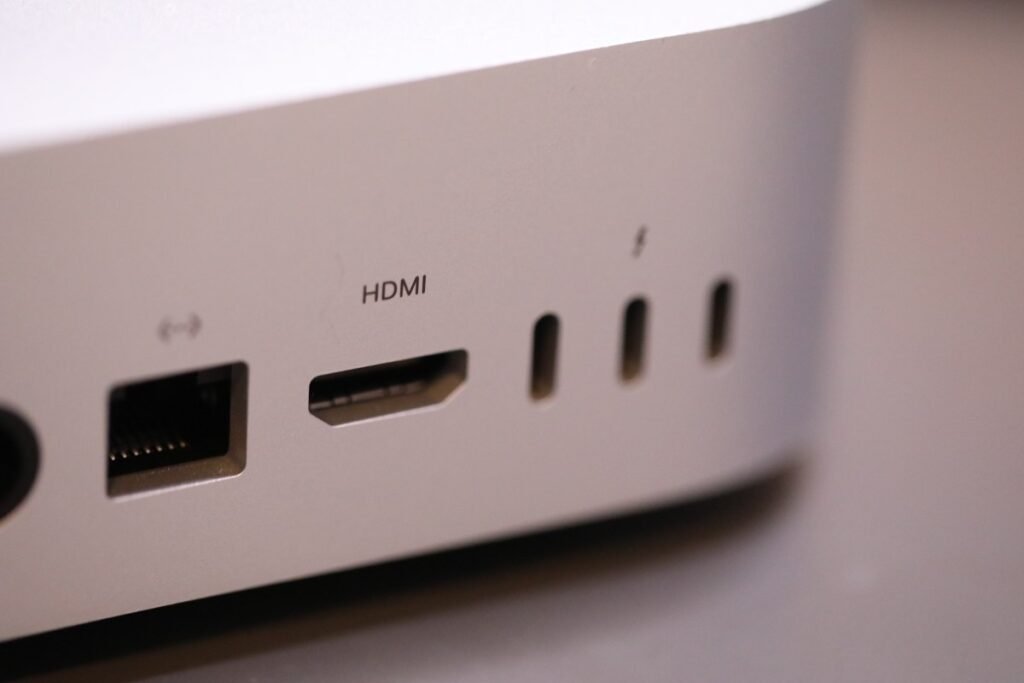
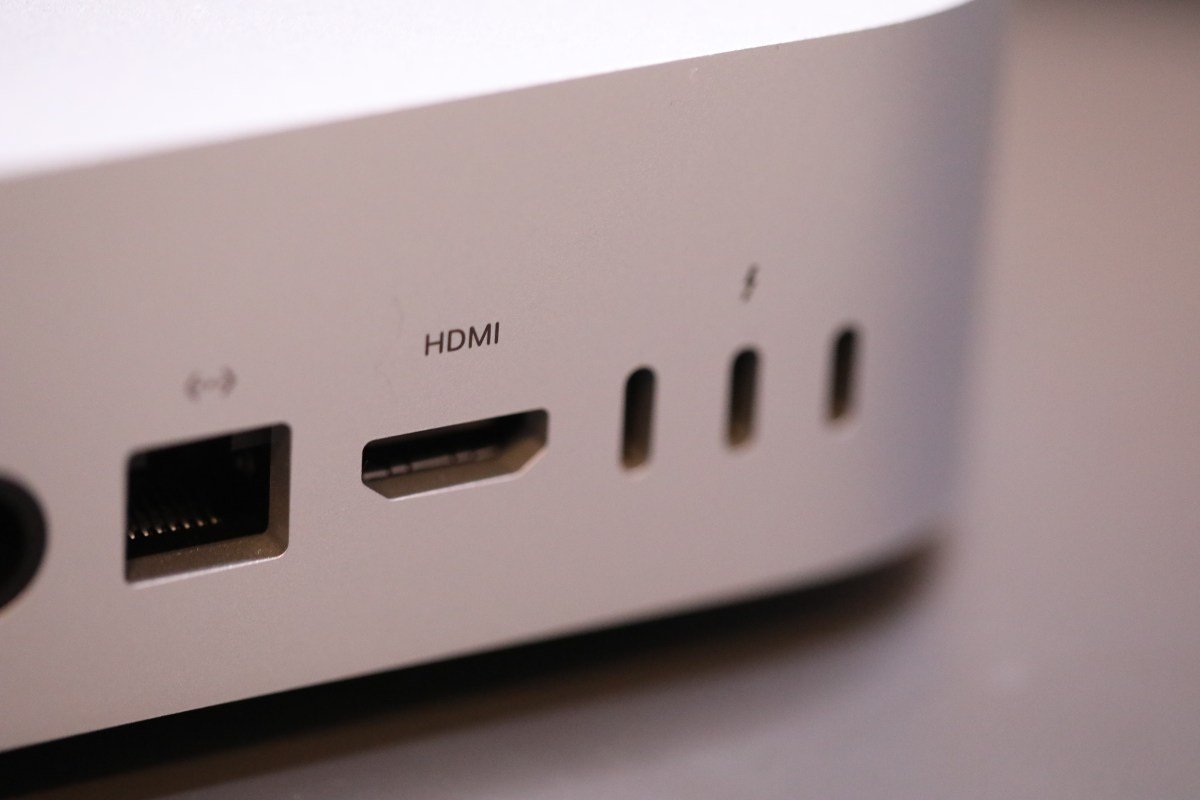
“Both of these are amazing platforms for AI and agentic tools, and the customer recognition of that is happening faster than what we had predicted, and so we saw higher than expected demand,” Cook stated. He noted that Mac mini and Mac Studio devices have sold out in recent weeks, with the Mac mini specifically emerging as the top-selling desktop in China, a market currently experiencing an intense OpenClaw frenzy.
According to Cook, Apple is currently “supply constrained” and expects it will take “several months” to achieve a balance between supply and demand for the Mac mini and Studio models. “We’re not at the point where we’re saying this [constraint] is going to end anytime soon. And it’s not because of a problem, per se, other than we just under-called the demand,” he added.
Growth Drivers: From MacBook Neo to Enterprise Adoption
The company also saw a record number of customers new to the Mac platform, a trend fueled by the recent launch of the MacBook Neo. Although the device only saw a few weeks of availability following March 4 preorders, demand was described by Cook as “off the charts.”
- Enterprise Integration: Corporations like Perplexity are increasingly adopting the Mac as their preferred platform for developing enterprise-grade AI assistants.
- Educational Shift: The MacBook Neo is gaining traction in the education sector, with institutions like Kansas City Public Schools opting to replace Chromebooks with the new hardware.
- Supply Challenges: Beyond the professional workstations, Apple is also facing supply constraints specifically related to the MacBook Neo.
While the quarterly growth is notable, Mac revenue remained flat on a quarter-over-quarter basis. This suggests that while the appetite for AI-capable hardware is expanding rapidly, the full impact of this trend on Apple’s balance sheet has yet to scale fully as the company works to resolve its current inventory limitations.