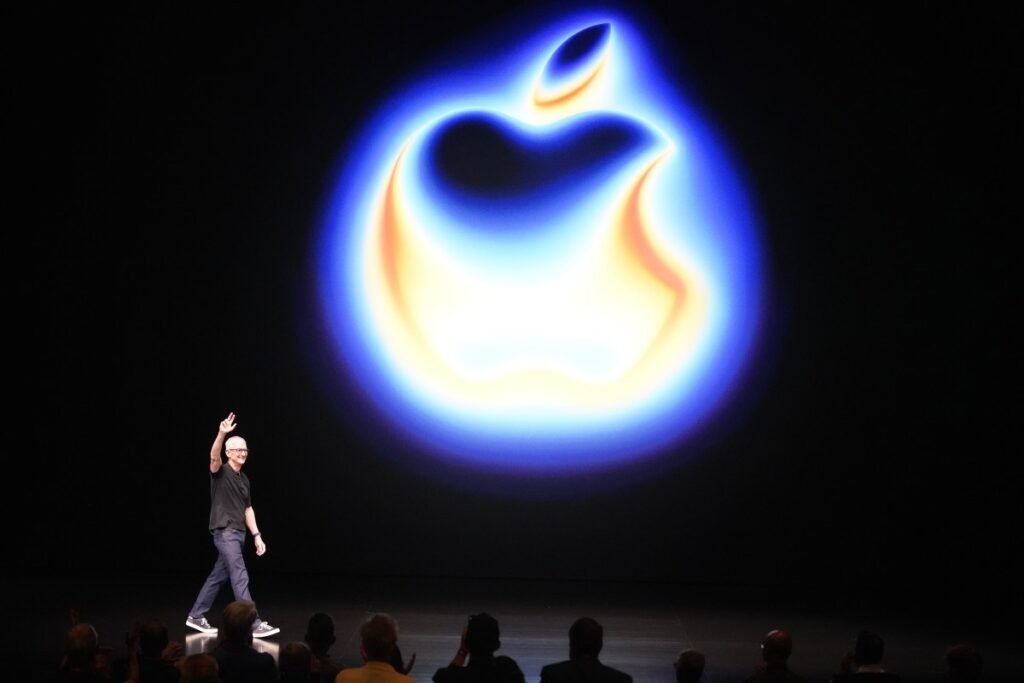
Tim Cook to Step Down as Apple CEO After 15-Year Tenure
Tim Cook is preparing to conclude his 15-year leadership at Apple, officially stepping down as CEO on September 1. He will pass the company’s leadership to John Ternus, who currently serves as the senior vice president of hardware engineering.
Since succeeding Steve Jobs in 2011, Cook has overseen a period of unprecedented expansion, transforming the technology giant into a $4 trillion powerhouse. His departure marks the end of a tenure defined by significant diversification of the company’s hardware ecosystem and the aggressive scaling of its services division.
A Decade and a Half of Financial Expansion
Cook’s influence on Apple’s valuation has been profound. Upon taking the helm in August 2011, the company was valued at just under $350 billion. Under his guidance, Apple hit the $1 trillion mark in 2018, doubled that figure by 2020, reached $3 trillion in 2022, and currently stands at $4.01 trillion.
This financial trajectory was sustained by a 699% increase in net income between 2010 and 2025, reaching $112 billion in the fiscal year ending September 2025. This growth persisted despite global headwinds, including the COVID-19 pandemic and complex geopolitical friction between the United States and China.
Diversifying the Hardware Portfolio
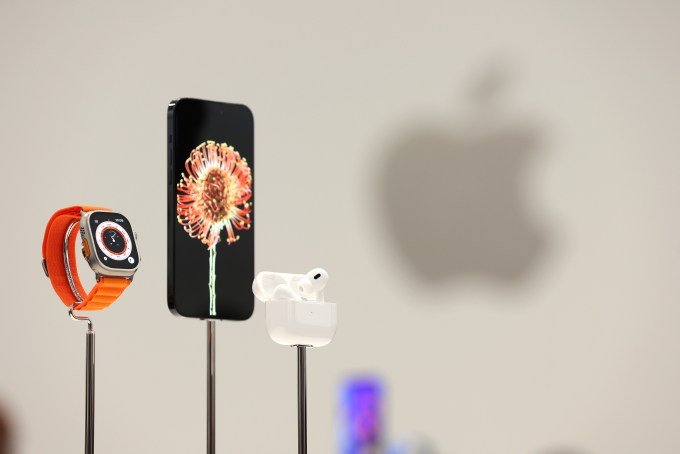
Cook transitioned Apple from a company centered on the iPhone and Mac to a broader ecosystem of wearables and integrated devices:
- Wearables: The 2015 launch of the Apple Watch established the company in the health-tracking sector, followed by the 2016 introduction of AirPods, which redefined wireless audio.
- Computing: The iPad lineup was expanded to serve as a versatile computer for professional and educational use.
- Spatial Computing: In 2024, the company released the Apple Vision Pro, though it has struggled to gain widespread traction due to its high price point.
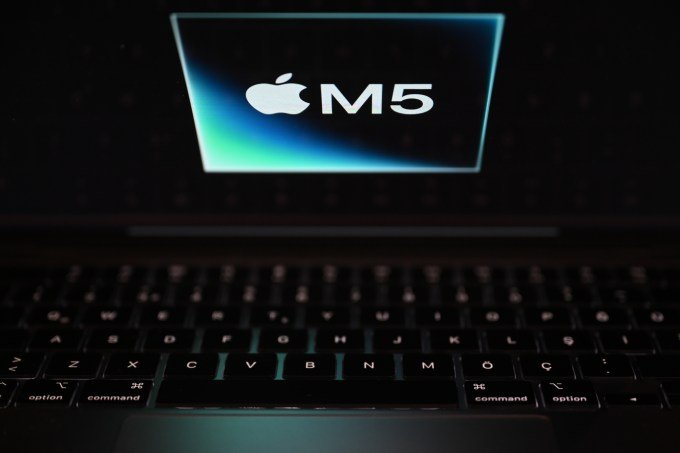
- Internal Hardware: A major technical milestone was the multi-year transition from Intel processors to custom Apple Silicon chips, which concluded in 2023.
Building a Services Empire
Services became a critical pillar of Apple’s financial health under Cook. Innovations like Apple Pay (2014), Apple Music (2015), and Apple TV+ (2019) helped drive this segment to $109.16 billion in revenue during the 2025 fiscal year. This category now represents a significant portion of the company’s total $416.16 billion annual revenue.
Strategic Challenges and Investments
The latter years of Cook’s leadership have focused on domestic investment and the emerging AI landscape. He recently announced a $600 billion U.S. spending commitment, the largest in the company’s history, aimed at strengthening the domestic supply chain for semiconductors and advanced technology.
In artificial intelligence, Apple launched “Apple Intelligence” in 2024 but has faced challenges in keeping pace with the broader generative AI market. The company has experienced delays in rolling out an AI-powered version of Siri and has turned to a partnership with Google to integrate Gemini into its tools.
Legacy of Apple Park
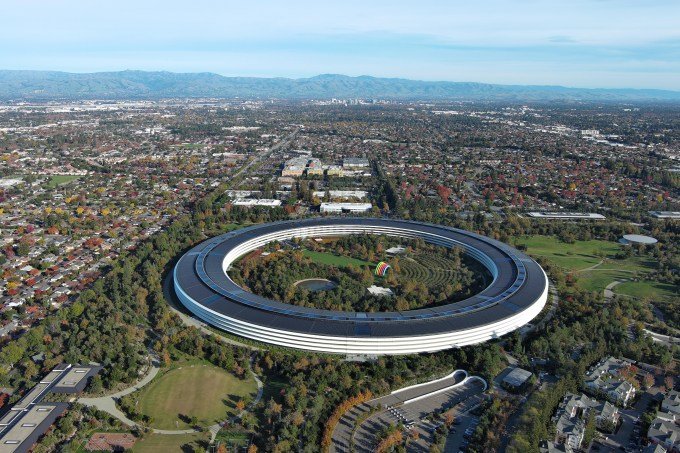
Beyond fiscal metrics, Cook oversaw the realization of Apple Park, the company’s 175-acre headquarters that opened in 2017. The campus, which operates on 100% renewable energy and houses over 12,000 employees, has become the permanent home for Apple’s product announcements.