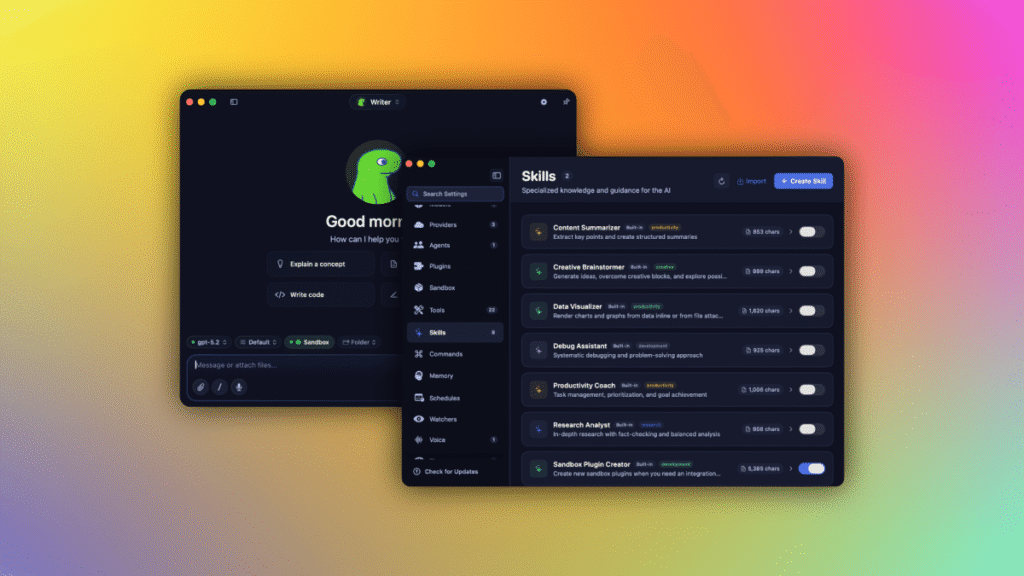
Osaurus Brings Flexible Local and Cloud AI to Mac Users
Osaurus is positioning itself as a pivotal software layer for users looking to bridge the gap between local processing and cloud-based AI. The open-source, Mac-exclusive server allows individuals to toggle between various large language models (LLMs) while keeping their files, tools, and memory isolated on their own hardware.
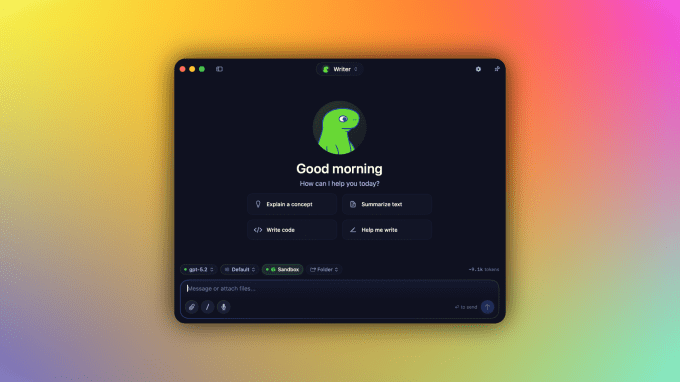
The project originated from Dinoki, a desktop AI companion concept developed by co-founder Terence Pae. After users questioned the necessity of recurring token fees for a desktop tool, Pae, a former engineer at Tesla and Netflix, shifted his focus toward local execution.
“You can do pretty much everything on your Mac locally, like browsing your files, accessing your browser, accessing your system configurations,” Pae explained. “I figured this would be a great way to position Osaurus as a personal AI for individuals.”
A Secure “Harness” for AI Workflows
Osaurus functions as a control layer or “harness,” integrating various models and workflows into a single interface. Unlike developer-centric alternatives that may require terminal expertise or carry security risks, Osaurus utilizes a hardware-isolated, virtual sandbox to maintain user privacy.
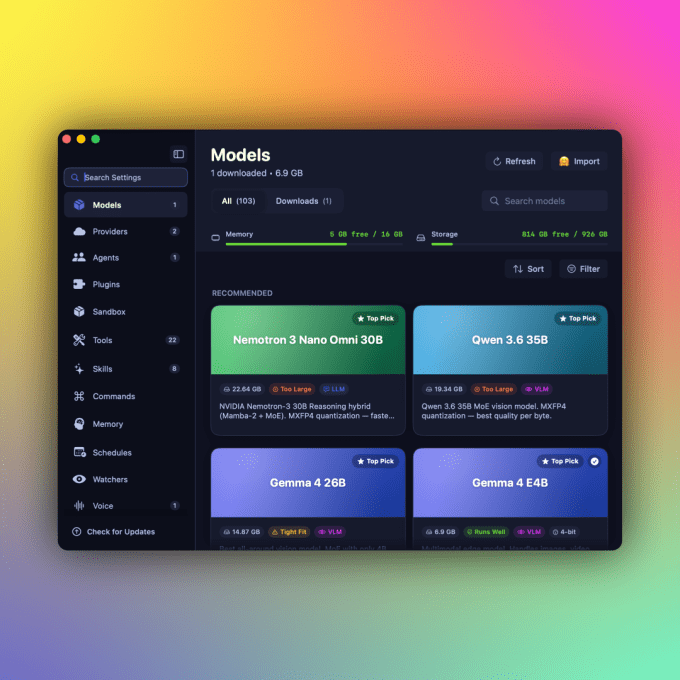
The platform currently supports a wide range of integrations, including:
- Local Models: MiniMax M2.5, Gemma 4, Qwen3.6, GPT-OSS, Llama, DeepSeek V4, and Apple’s on-device foundation models.
- Cloud Providers: OpenAI, Anthropic, Gemini, xAI/Grok, Venice AI, OpenRouter, Ollama, and LM Studio.
- Native Plug-ins: Over 20 tools covering Mail, Calendar, Vision, macOS automation, XLSX, PPTX, Browser, Music, Git, and Filesystem.
Hardware Requirements and Future Outlook
While the utility of local AI is expanding, the technology remains resource-intensive. Running models locally typically requires at least 64GB of RAM, with 128GB recommended for heavier models like DeepSeek v4. Despite these requirements, Pae remains optimistic about the efficiency curve of local computing.
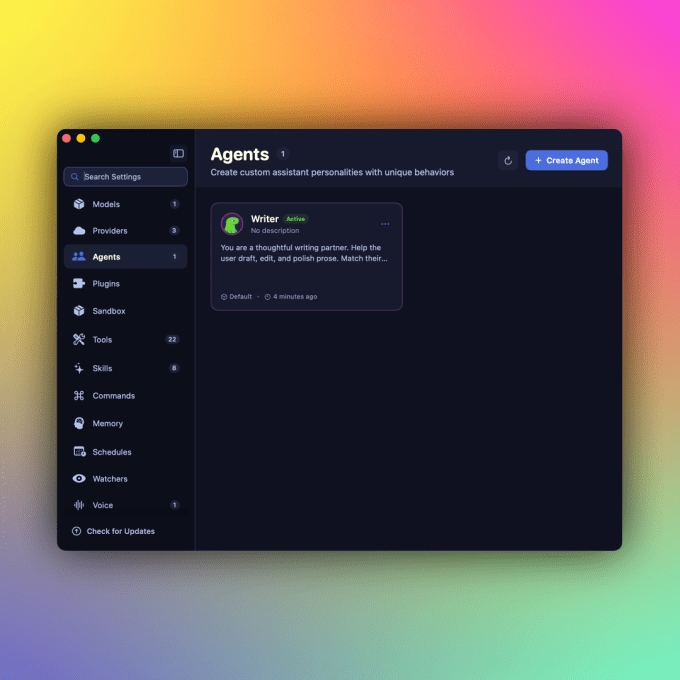
Since its launch nearly a year ago, the project has surpassed 112,000 downloads. Pae and co-founder Sam Yoo are currently participating in the New York-based startup accelerator Alliance, exploring potential enterprise applications in sectors like law and healthcare, where data privacy is paramount.
“Instead of relying on the cloud, they can actually deploy a Mac Studio on-prem, and it should use substantially less power,” Pae said. “You still have the capabilities of the cloud, but you will not be dependent on a data center to be able to run that AI.”