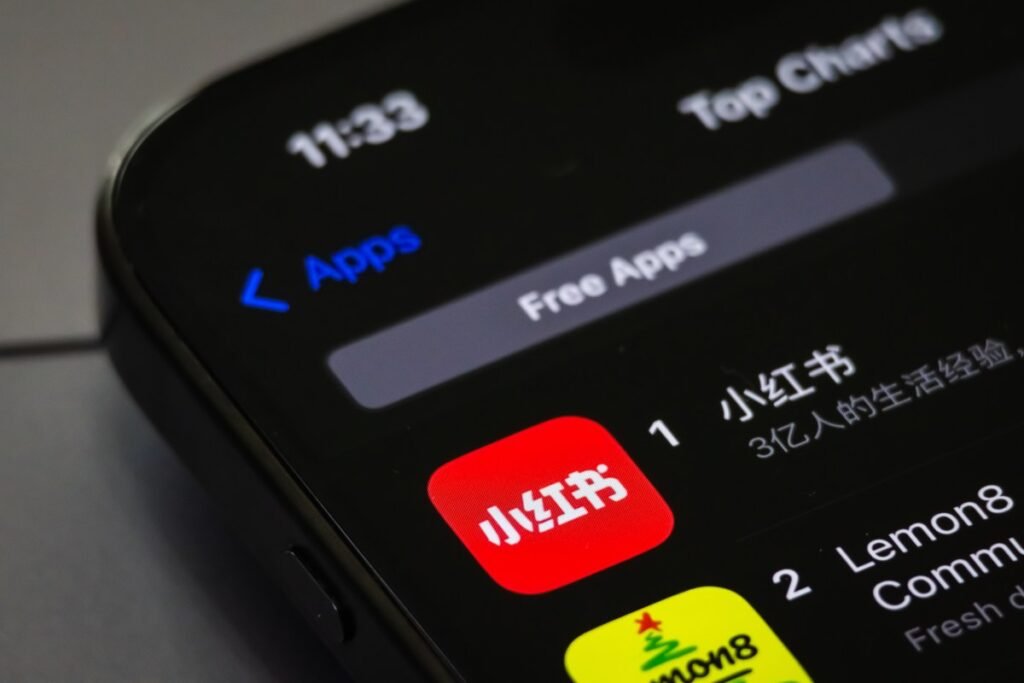
Apple Cuts App Store Commissions in China to 25%
Apple has confirmed a strategic reduction in its App Store commission structure for the Chinese market. Following direct engagement with local regulators, the tech giant will lower its standard fee from 30% to 25% for paid applications and in-app purchases.
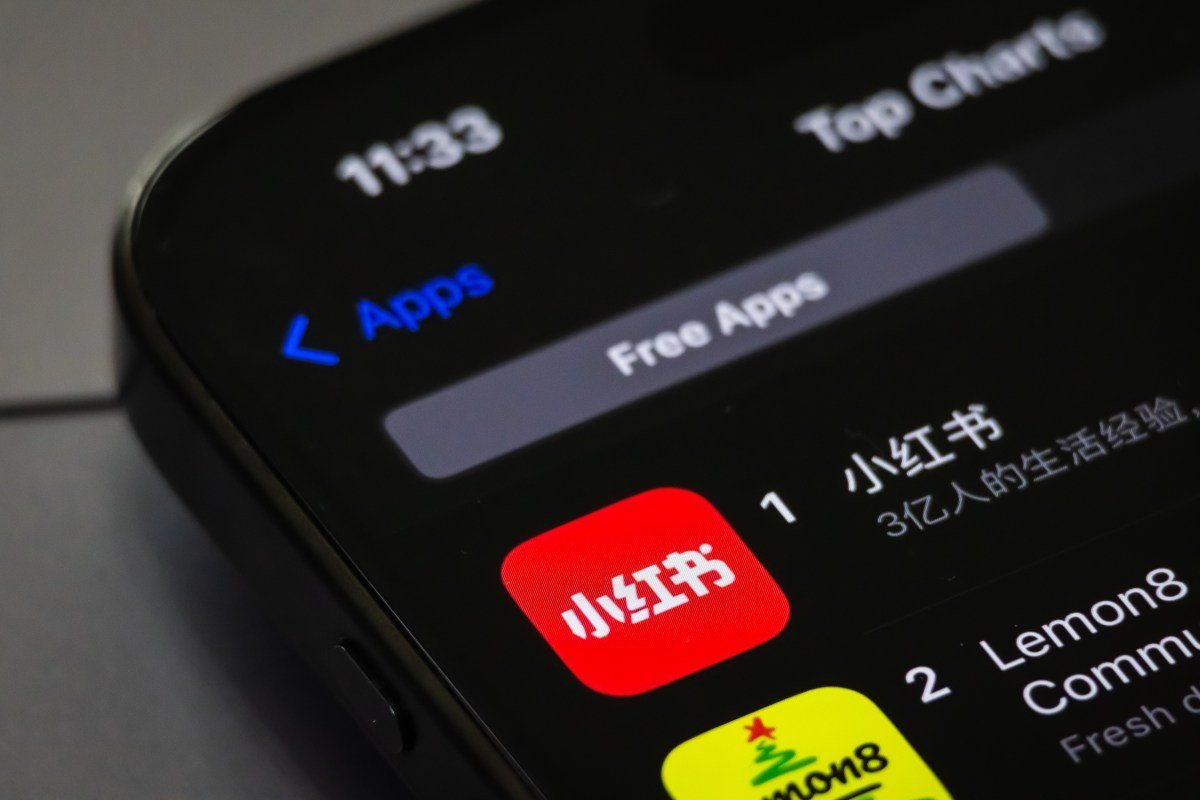
The updated fee schedule, which also includes a reduction for long-term subscriptions, is set to take effect on March 15, 2026. According to the company, developers will not be required to sign new agreements to benefit from the adjusted rates, as the changes are being integrated directly into the Apple Developer Program License Agreement.
New Commission Structure Details
The adjustments reflect a tiered approach to platform fees in the region. The primary changes include:
- Standard App Purchases: Commissions reduced from 30% to 25%.
- Auto-Renewing Subscriptions: Fees for in-app purchases after the first year will drop from 15% to 12%.
“We are committed to terms that remain fair and transparent to all developers, and to always offering competitive App Store rates to developers distributing apps in China that are no higher than overall rates in other markets,” the company stated in its official announcement.
Strategic Shift in a Key Market
Unlike the prolonged legal and regulatory disputes seen in the EU, Apple’s move in China appears to be a proactive measure to maintain its standing in a vital territory. The decision arrives as Apple reports robust financial performance in the region, with revenue up 16% year-over-year in its most recent quarter, bolstered by strong iPhone demand.
The landscape in other regions remains distinct. In the United States, Apple continues to maintain its standard commission rates following a legal victory against Epic Games, where courts ruled the company did not function as a monopoly. While U.S. developers gained the ability to direct users toward alternative payment pathways, Apple’s core fee structure remains largely unchanged outside of specific programs for small businesses.
By opting for a negotiated adjustment in China rather than a public confrontation, Apple underscores the unique importance of the Chinese market to its global App Store business model.