Figma Adds AI-Powered Object Removal and Image Expansion
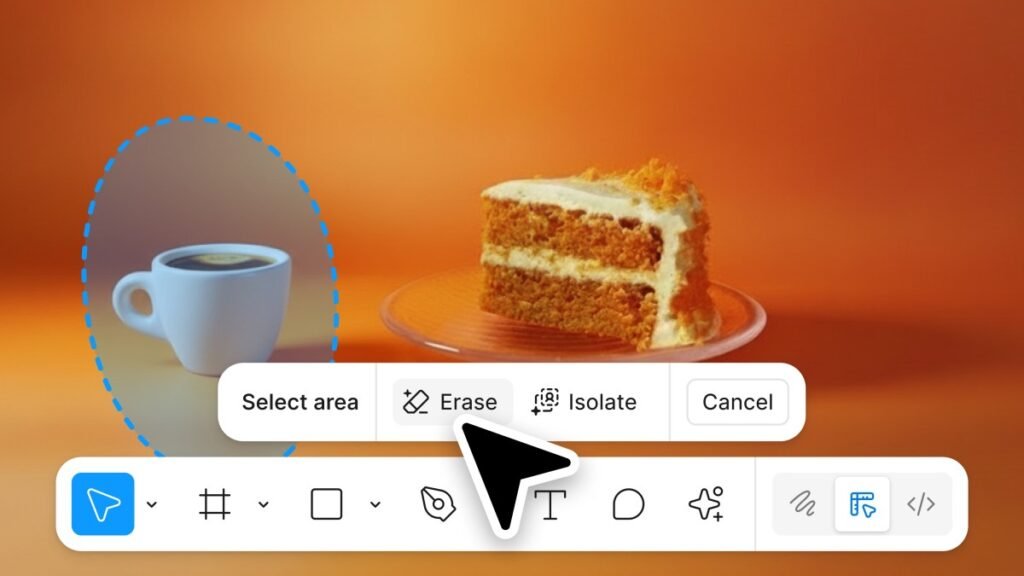
Design platform Figma has integrated new AI-powered image editing capabilities into its suite, aiming to streamline workflows by reducing the need to export assets to external software. The update includes native tools for object removal, isolation, and intelligent image expansion.
Advanced Selection and Editing Tools
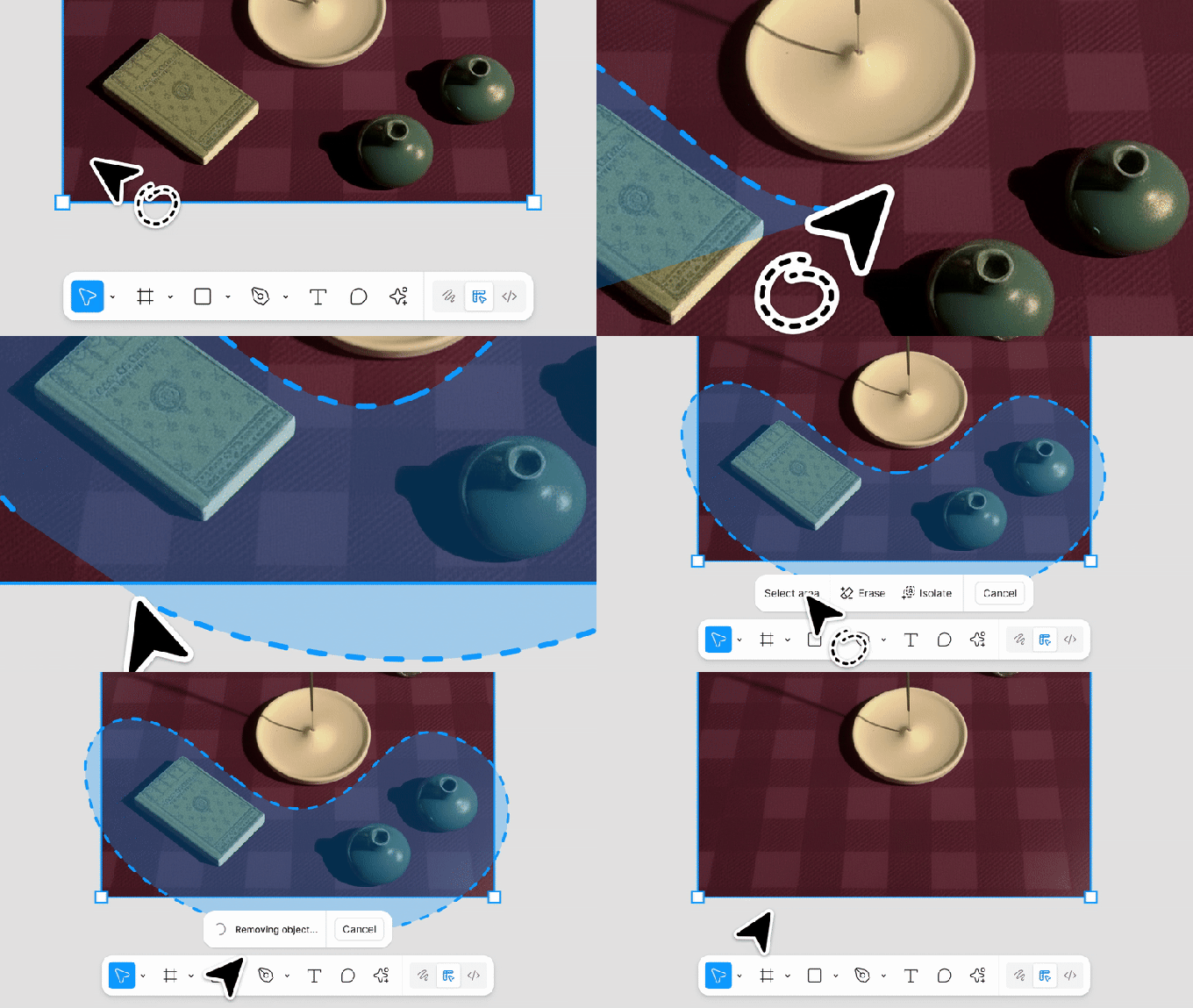
The company has overhauled its lasso tool, enabling more precise control over image elements. Users can now select and remove objects from a scene or isolate them to reposition them while maintaining original background and color integrity. Beyond simple removal, the toolset allows for granular adjustments to specific image properties, such as shadows, lighting, color balance, and focus.
Figma is also introducing an image-expansion feature designed to assist with layout adjustments. This functionality allows designers to fill backgrounds or extend details, which is particularly useful when adapting a single creative asset for multiple formats, such as converting a 1×1 image into a web or mobile banner without repetitive cropping.
Consolidated Workflow
To improve accessibility, all image-editing functions are being centralized into a single, unified toolbar. This new interface provides direct access to:
- Object selection and isolation
- Background removal, which the company identifies as one of the platform’s most frequent user actions
- Color adjustments
- Annotation and text overlay tools
Market Position and Availability
With this release, Figma narrows the feature gap with competitors like Adobe and Canva, both of which have offered similar AI-driven object manipulation for several years. The new editing suite is currently available within Figma Design and Draw, with a broader rollout across the entire Figma ecosystem scheduled for next year.
This update coincides with Adobe’s recent deployment of similar features within ChatGPT. While Figma was an early launch partner for the integration of its tools into OpenAI’s platform last October, it remains unconfirmed whether these specific new AI functions will be accessible through the ChatGPT interface.