Google’s New AI Glasses: Hands-On With the XR Prototype
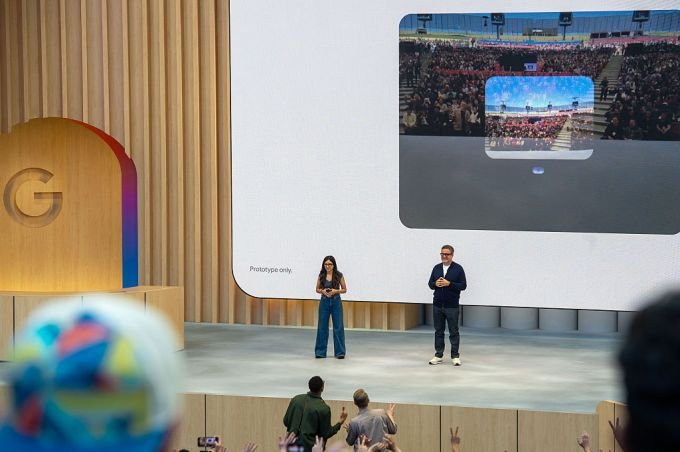
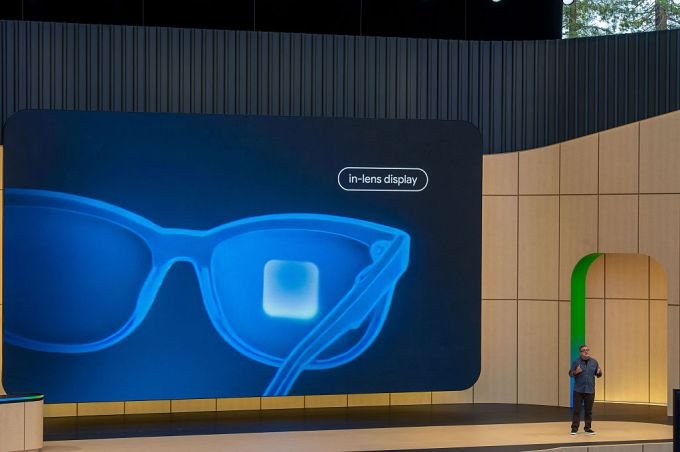
Google unveiled its latest venture into wearable technology at this week’s I/O developer conference, offering a first look at its upcoming Android XR glasses. Unlike the audio-only models set to ship this fall, this version integrates a visual display, layering digital widgets directly over the user’s real-world field of view.
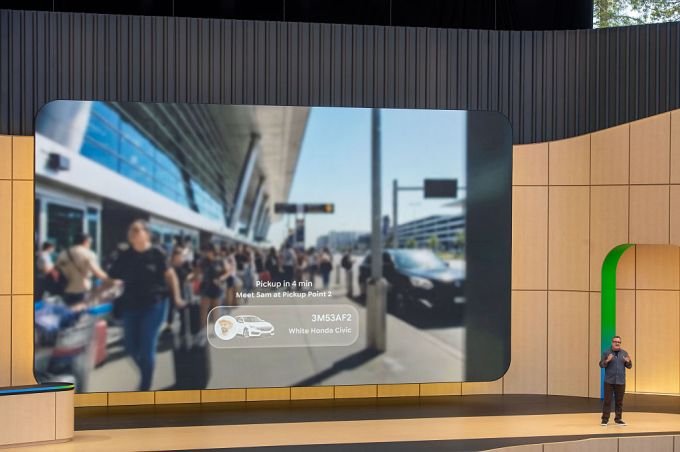
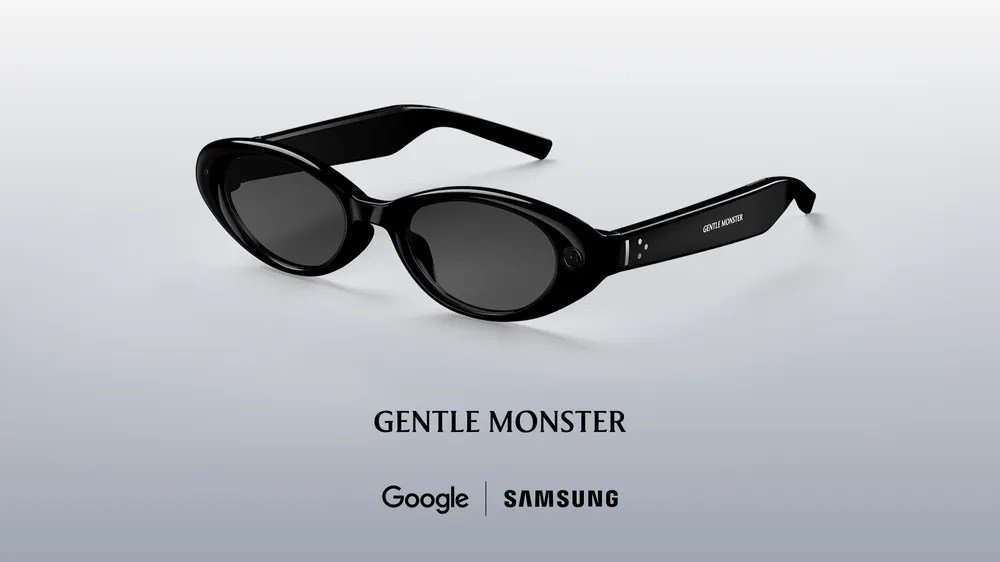
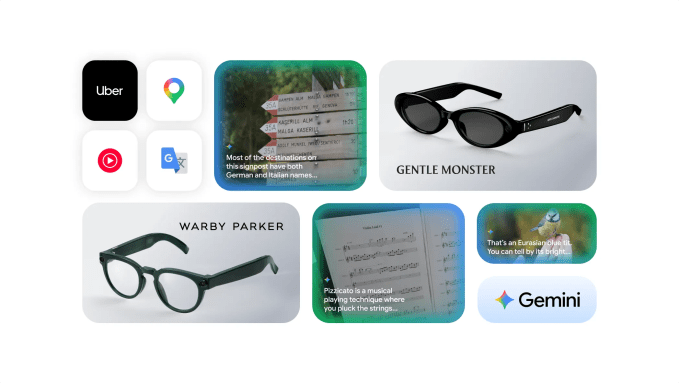
Developed through partnerships with industry brands like Warby Parker, Gentle Monster, and Samsung, the device aims to blend high-end technology with functional aesthetics. The prototype currently focuses on testing display capabilities and battery efficiency rather than final consumer design.
Functional Capabilities and AI Integration
The glasses rely on Gemini AI for interaction. By holding the right side of the frame for two seconds, users trigger an audio chime indicating the assistant is active. The system is designed to provide contextual information through a variety of widgets, including:
- Real-time language translation.
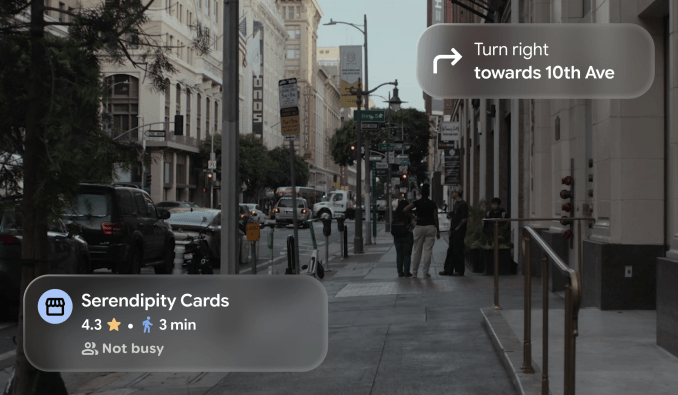
- Turn-by-turn navigation via Google Maps.
- Weather updates and custom AI-generated widgets.
- Object identification and image manipulation commands.
The User Experience
During our testing, the translation feature proved particularly impressive, with the glasses detecting spoken Spanish and displaying English subtitles in real-time. Navigation also showed promise; users can ask for directions to a generic location, such as “the nearest coffee shop,” and receive turn-by-turn cues overlaid in their field of view. By looking down, the user can access a map view to orient themselves before returning to a clear, unobstructed path.
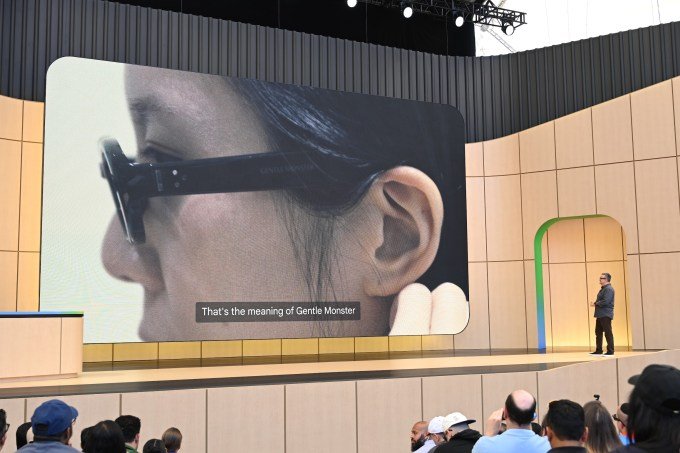
While the prototype is functional, it is still in the early stages. The display, which sits over the right eye, provided a helpful but slightly fuzzy image, and prolonged use resulted in mild eye strain. Additionally, the device requires pairing with a smartphone, which handles the heavy processing for tasks like AI image manipulation.
Google plans to expand its trusted tester program later this year, promising further updates on the platform’s development as it refines the hardware for a wider release.