
Spotify Overhauls App Strategy With New AI-Driven Features
and personal productivity tools, signaling a major shift away from its roots as a pure music streaming app.
TAGS: Spotify, Artificial Intelligence, Music Streaming, Tech News, Digital Media
CONTEUDO:
Spotify is rapidly transforming its platform from a dedicated music and podcast hub into an expansive ecosystem dominated by artificial intelligence. During a recent investor day, the company unveiled a suite of new features that prioritize the generation of audio content over the discovery of existing human-created music, marking a significant departure from its original business model.
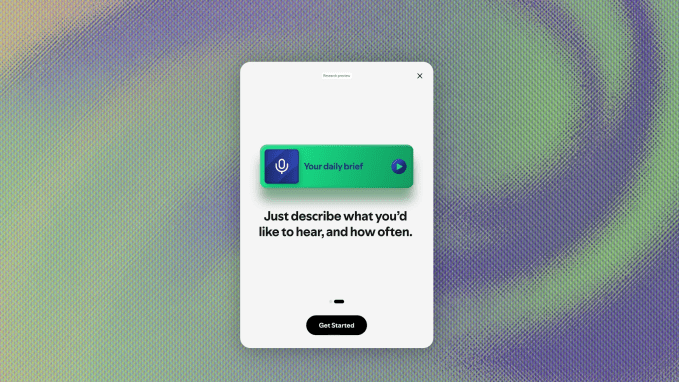
New Frontiers in AI Content
The company’s aggressive integration of generative AI spans several core areas of its service:
- Music and Remixes: Following a deal with Universal Music Group (UMG), Spotify will facilitate the creation of AI-generated covers and remixes. While the agreement includes compensation for artists, industry observers worry it may further bury emerging human talent under a wave of synthetic tracks.
- Audiobook Narration: A partnership with ElevenLabs aims to expedite production by allowing authors to narrate books using AI voices, though the output quality remains a point of debate regarding natural-sounding speech.
- Personalized Productivity: Users can now generate custom podcasts from their own calendars and emails. Additionally, a new tool allows developers using assistants like Codex and Claude Code to convert coding projects into audio summaries.
Moving Toward Agentic AI
Perhaps the most experimental shift is the development of a separate desktop application. Unlike the main Spotify app, this tool acts as an agent capable of interacting with a user’s digital life. According to the app’s description, it can “take action on your behalf: researching topics, using a web browser, organizing information, and helping complete tasks.” This suggests a strategic move toward agentic AI, potentially positioning Spotify to compete with productivity-focused note-taking tools.
Discovery in the Age of Conversational Search
To manage the influx of content, Spotify is implementing natural-language discovery for podcasts and audiobooks. By allowing users to ask specific questions about episode themes, the company hopes to keep listeners within its own ecosystem rather than driving them to external chatbots like Gemini or ChatGPT.
This pivot reflects a broader regulatory and industry challenge regarding how AI content is labeled and managed. While Spotify has adopted the DDEX industry standard for identification, the sheer volume of synthetic audio being introduced risks cluttering the user experience. The ultimate test will be whether these productivity-focused features enhance the platform’s value or dilute the focus that originally made Spotify a leader in music streaming.