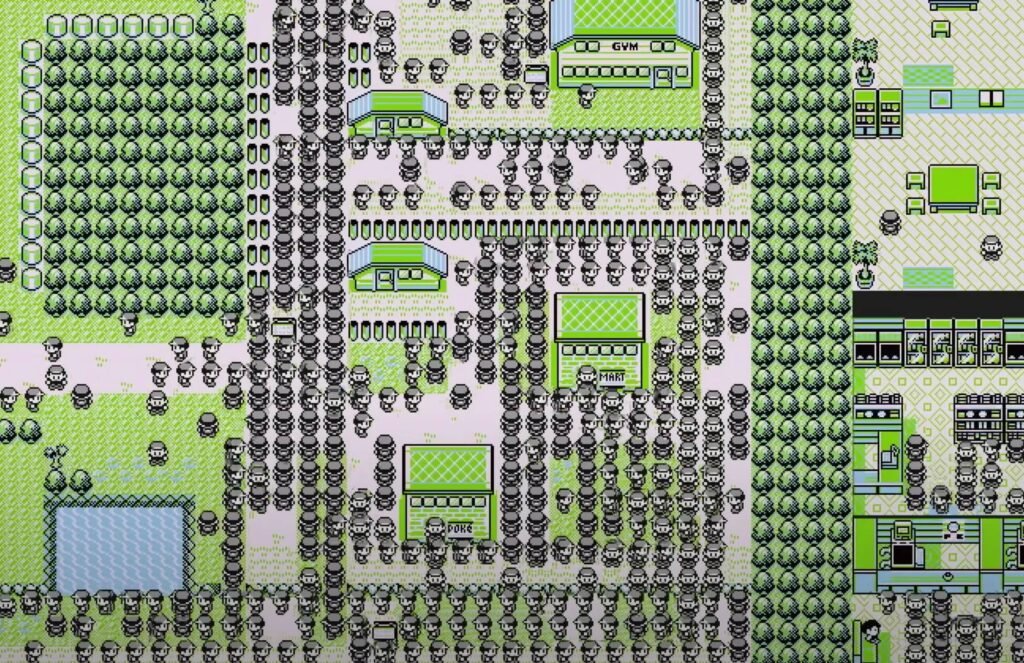
AI Learns to Play Pokémon Red After 50,000 Hours of Training
A Seattle-based software engineer has successfully trained a reinforcement learning algorithm to navigate the complexities of Pokémon Red. Over the course of 50,000 hours of gameplay, the AI has developed its own peculiar patterns of behavior, offering a fascinating look at how machine learning models interpret game logic versus human intuition.
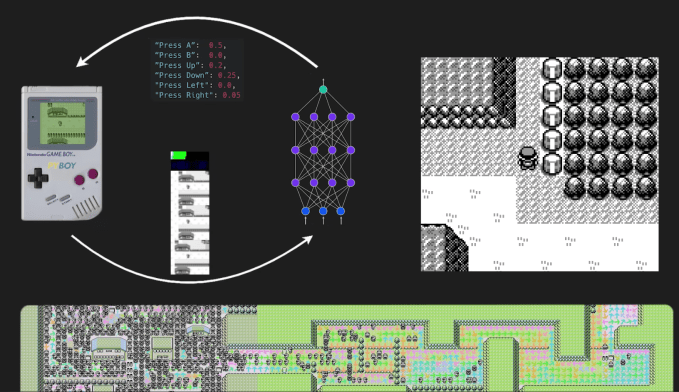
Peter Whidden, the creator behind the project, documented the AI’s development in a video that has reached over 2.2 million views. By assigning point-based incentives to specific actions—such as leveling up Pokémon, winning battles, or exploring new areas—Whidden created a Pavlovian feedback loop that forces the computer to “learn” how to progress through the classic Game Boy title.
The Paradox of Machine Curiosity
The AI’s journey is defined by moments of unexpected personality. In one instance, the program became fixated on the animated water in Pallet Town, refusing to progress further. Because the model perceives every frame of moving water and pacing NPCs as a novel experience, it treated the scenery as more rewarding than the actual game objectives.
“According to our own objective, just hanging out and admiring the scenery is more rewarding than exploring the rest of the world,” Whidden explains. He notes that this digital behavior mirrors a very human trait: the tension between curiosity and distraction.
Learning Through “Trauma”
The AI’s decision-making process is entirely dependent on numerical rewards. Because the algorithm tracks the total levels of all Pokémon in the party, a visit to the Pokémon Center can be misinterpreted as a negative event if the system accidentally deposits a Pokémon into storage, thereby lowering the total party level.
- Negative Association: After losing party levels due to a PC deposit, the AI formed a negative association with the Pokémon Center.
- Avoidance: Consequently, the program learned to avoid the facility entirely in subsequent iterations.
- Technical Constraints: The AI lacks the ability to read dialogue, which initially forced Whidden to skip early game cutscenes to allow the program to progress.
While the AI initially struggled with complex navigation—such as the notoriously difficult Mt. Moon cave—recent tweaks to the learning algorithm have allowed it to reach Cerulean City. Whidden has made his code available on GitHub, enabling other enthusiasts to experiment with the model on different retro titles like Pokémon Crystal.