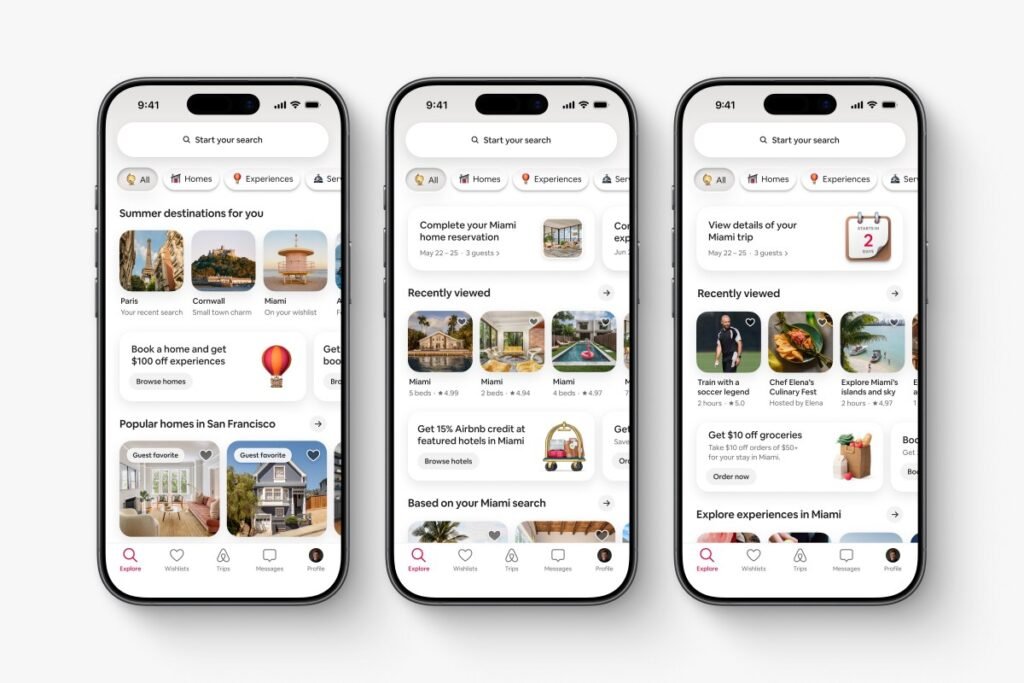
Airbnb Enters Hotel Market and Expands AI Capabilities
Airbnb is officially pivoting beyond its traditional model of peer-to-peer home rentals by integrating boutique hotels directly into its platform. This strategic expansion allows the company to capture new revenue streams while providing travelers with more diverse booking options for short-term stays.
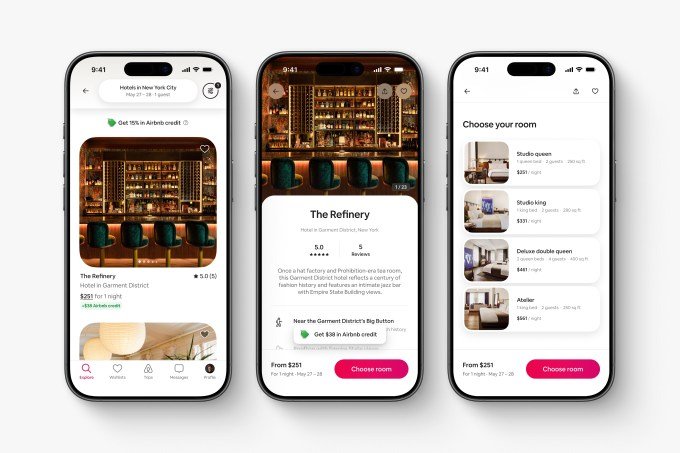
Following a successful test period, the company is rolling out a dedicated hotel search filter across its application. Initial partnerships include boutique hotels in 20 major global markets, such as London, New York, Paris, Singapore, Madrid, and Rome.
Jud Coplan, VP of marketing at Airbnb, explained that the shift targets specific travel needs. “There are a few examples of the types of trips for which a hotel is probably better suited, such as last-minute bookings, one-night stays, and business trips,” Coplan said. To incentivize users, Airbnb is offering a price match guarantee, promising to refund the difference in app credits if a lower rate is found elsewhere.
Strategic Growth and Regulatory Navigation
The move into the hotel sector also serves as a workaround for regulatory hurdles in cities like New York and Singapore, where strict legislation has limited short-term home rentals. By partnering with hotels, Airbnb effectively bypasses these bans to maintain a foothold in some of the world’s most lucrative travel hubs.
Beyond lodging, Airbnb is evolving into a comprehensive travel ecosystem. Recent and upcoming additions include:
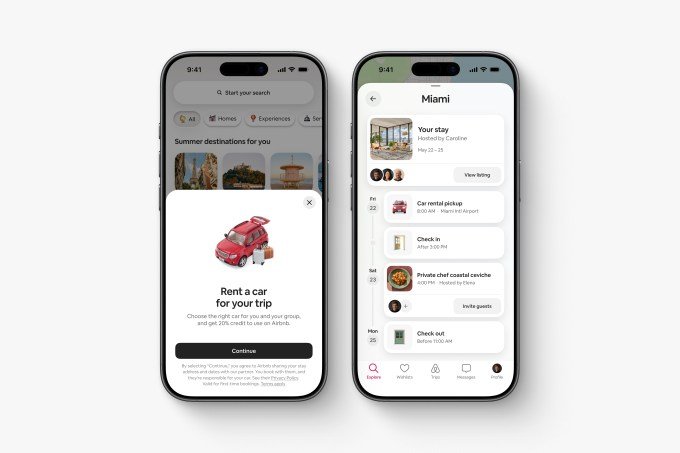
- Transportation: Luggage storage services in over 15,000 locations and the launch of car rental services this summer.
- Experiences: A significant expansion of local guide services, covering 3,000 landmarks and 2,500 food-related experiences.
- Integrated Services: Existing offerings like grocery delivery and airport pickups are now being woven into the broader app experience.
AI Integration Across the Platform
While some travel competitors focus on AI-driven itinerary builders, Airbnb is prioritizing utility. CEO Brian Chesky has previously stated that chatbots are not the ideal interface for travel planning. Instead, the company is deploying AI to streamline operations for both hosts and guests.
The company’s AI strategy now includes:
- Host Onboarding: Automating listing creation by pulling details from provided addresses.
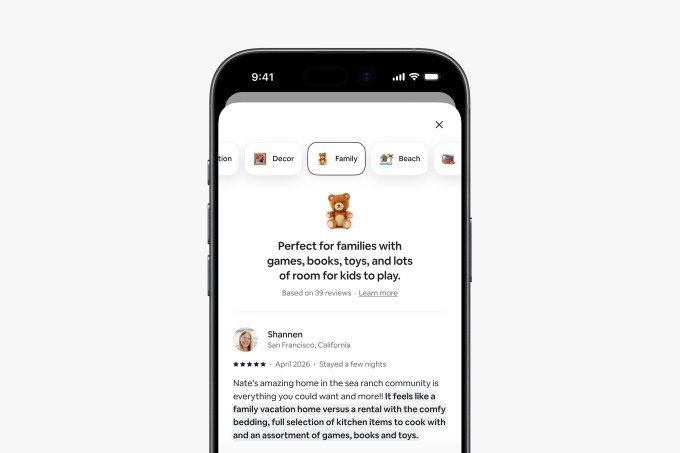
- Enhanced Discovery: Using AI to generate category tags for reviews, allowing users to quickly filter by amenities, location, or family-friendliness.
- Decision Support: AI-generated summaries that compare properties within a user’s wishlist.
- Customer Support: Expanding its AI-powered support bot—which currently handles 40% of queries—to support 11 languages globally, with plans to introduce a voice-based assistant later this year.
This convergence of services suggests that Airbnb is competing directly with platforms like Uber, which has also expanded into travel bookings. Both companies appear to be moving toward a singular goal: controlling the entirety of the traveler’s journey within a single application.