
Android 16 Rolls Out With AI Summaries and New Tools
Google officially launched Android 16 this Tuesday, introducing a suite of features focused on artificial intelligence, enhanced device customization, and improved user accessibility. The rollout begins immediately for eligible Pixel devices, signaling a strategic shift for the company as it moves toward a more frequent release cycle rather than relying solely on traditional annual updates.
AI-Powered Organization and Communication
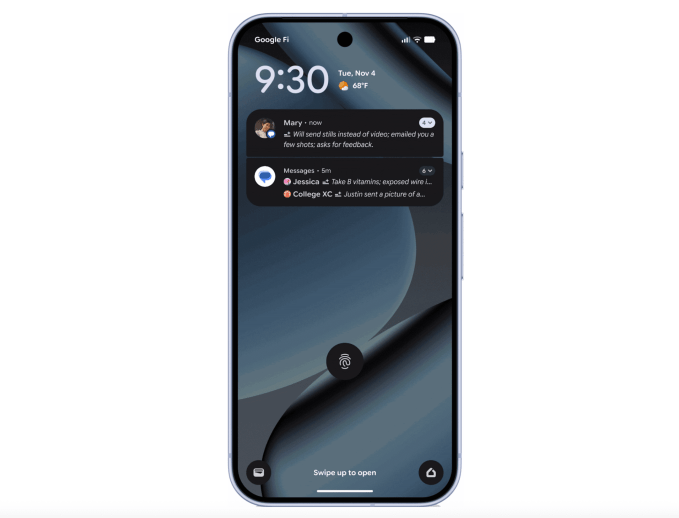
A primary highlight of the Android 16 release is the integration of generative AI to manage incoming information. Users now have access to notification summaries, which condense lengthy group chats and messages into brief, readable overviews. Complementing this is a new “Notification organizer” that automatically categorizes and silences alerts deemed low-priority, such as social updates or promotional content.
Additional communication upgrades include:
- Call Reason: A beta feature allowing users to flag calls to saved contacts as “urgent,” ensuring the recipient sees the status on their screen and in their history.
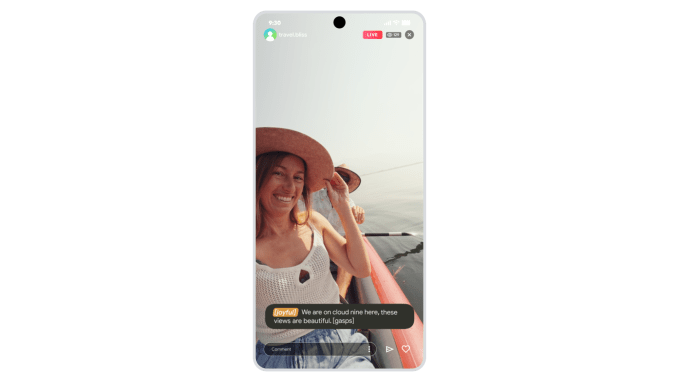
- Expressive Captions: This tool adds emotional context to video messages or social media posts, using tags like [joyful] or [sad] to assist users when sound is disabled.
- Group Chat Management: New alerts provide critical information when an unknown number initiates a group invite, allowing for quick blocking, reporting, or leaving the chat.
Customization and Security Tools
Android 16 expands personalization options, allowing for custom icon shapes and themed icons. A notable system-level change includes an option to force dark mode on apps that lack native support. Beyond aesthetics, Google has integrated enhanced parental controls directly into the Settings menu, enabling guardians to manage screen time, set downtime schedules, and monitor specific app usage for children.
Security is also being bolstered through “Circle to Search.” The feature now includes an AI analysis tool for suspicious text messages, providing users with an AI Overview that indicates if a message is likely fraudulent.
Accessibility Enhancements
Google has updated the “Guided Frame” feature within the Pixel camera app to provide more descriptive visual feedback, such as identifying individuals and their actions within a frame. Additionally, Voice Access is now more intuitive, allowing users to trigger the hands-free control system by simply saying, “Hey Google, start Voice Access.” Finally, the platform now supports Fast Pair for hearing aids, beginning with hardware from Demant, which encompasses brands such as Oticon, Sonic, and Bernafon.