Beyond Ad Revenue: How YouTubers Are Building Empires
The digital creator economy is undergoing a structural shift. While YouTube remains a massive engine for growth—contributing over $55 billion to the U.S. GDP and supporting more than 490,000 full-time jobs as of June—the platform’s biggest stars are moving away from a reliance on ad revenue. Driven by the volatility of platform algorithms and shifting monetization policies, top creators are evolving into vertically integrated media companies.
By launching consumer brands, retail ventures, and independent services, these creators are building businesses designed to outlive the next policy update. In many instances, these off-platform operations are currently outpacing the growth and stability of their original YouTube channels.
MrBeast: The Aggressive Expansion
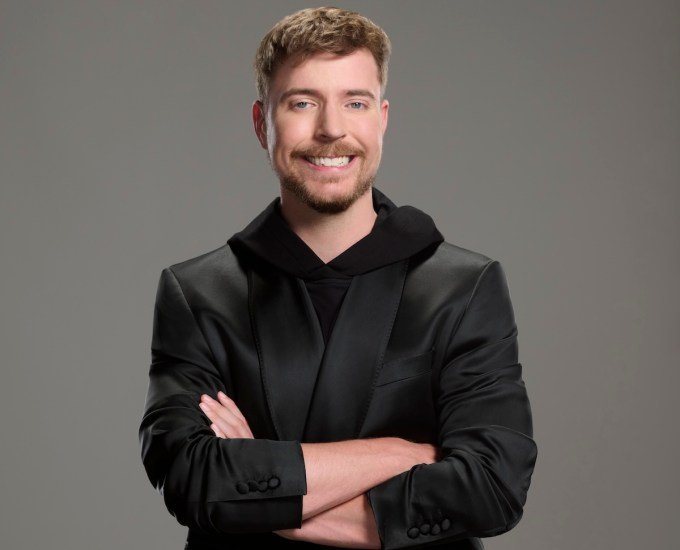
Jimmy Donaldson, known as MrBeast, has transformed his 442-million-subscriber footprint into a diversified business empire. His ventures now span across multiple sectors:
- Food & Beverage: Feastables, his snack brand, generated approximately $250 million in revenue in 2024, with over $20 million in profit, significantly outperforming his media business, which saw an $80 million loss. He is also involved in the Lunchly brand and MrBeast Burger.
- Entertainment & Retail: Plans are underway for a theme park in Saudi Arabia, featuring attractions based on his viral video challenges.
- Financial Services: Following his February 2026 acquisition of the banking app Step, he has filed trademarks for mobile banking, financial advisory, and crypto exchange services.
- Telecommunications: Donaldson is exploring the launch of a mobile virtual network operator (MVNO), potentially partnering with major carriers like AT&T, T-Mobile, or Verizon.
Diversification in Beverages and Retail
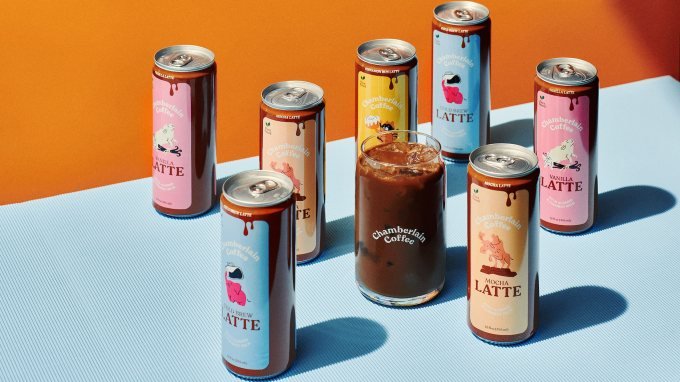
Emma Chamberlain has successfully transitioned from a vlogger to a beverage entrepreneur. Chamberlain Coffee, launched in 2019, reached approximately $20 million in revenue in 2023 and expanded into physical retail with its first location in January. Despite supply chain hurdles in 2024, projections suggest the brand will reach over $33 million in revenue by 2025, with profitability expected by 2026.
This trend extends to other creators like Ryan Kaji, whose “Ryan’s World” brand generated over $250 million in 2020 through toys and apparel, and Rosanna Pansino, who has built a business around cookbooks and professional baking tools.
The Volatility of Viral Brands
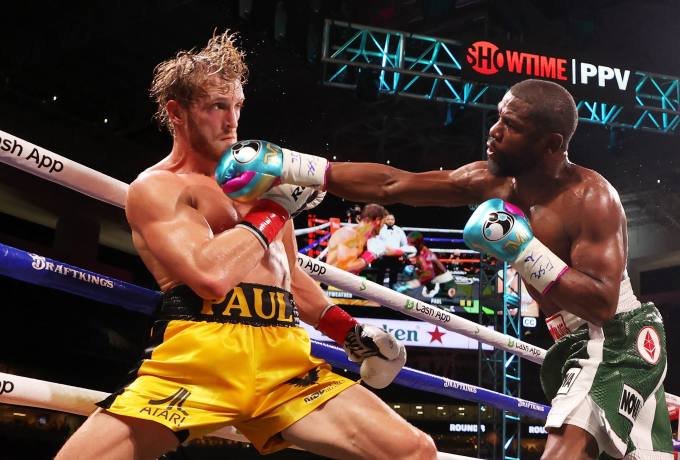
Not all ventures maintain their initial momentum. Logan Paul’s energy drink brand, Prime, surpassed $1.2 billion in sales in 2023 but has since faced regulatory scrutiny and legal challenges. U.K. revenue for the brand reportedly dropped by roughly 70% between 2023 and 2024, illustrating the risks inherent in influencer-led consumer goods.
Beauty and Cosmetics
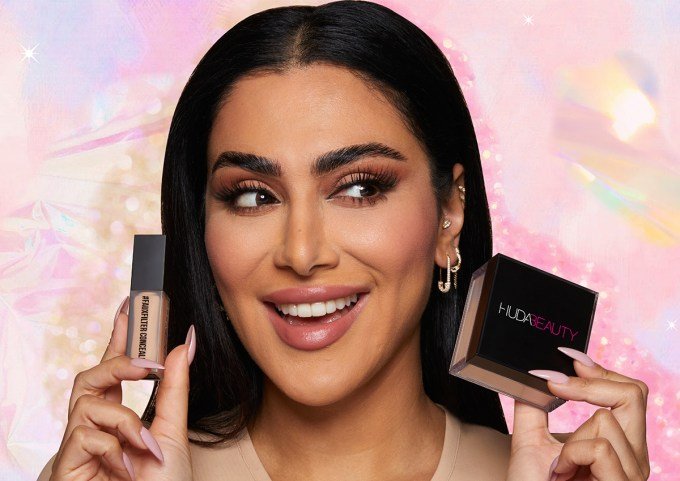
The beauty sector remains a primary destination for creators looking to scale. Huda Kattan, founder of Huda Beauty, successfully reacquired a minority stake from TSG Consumer Partners in June to regain full control over the company’s direction. Her brand continues to generate hundreds of millions of dollars annually, proving the long-term potential of influencer-founded beauty labels.