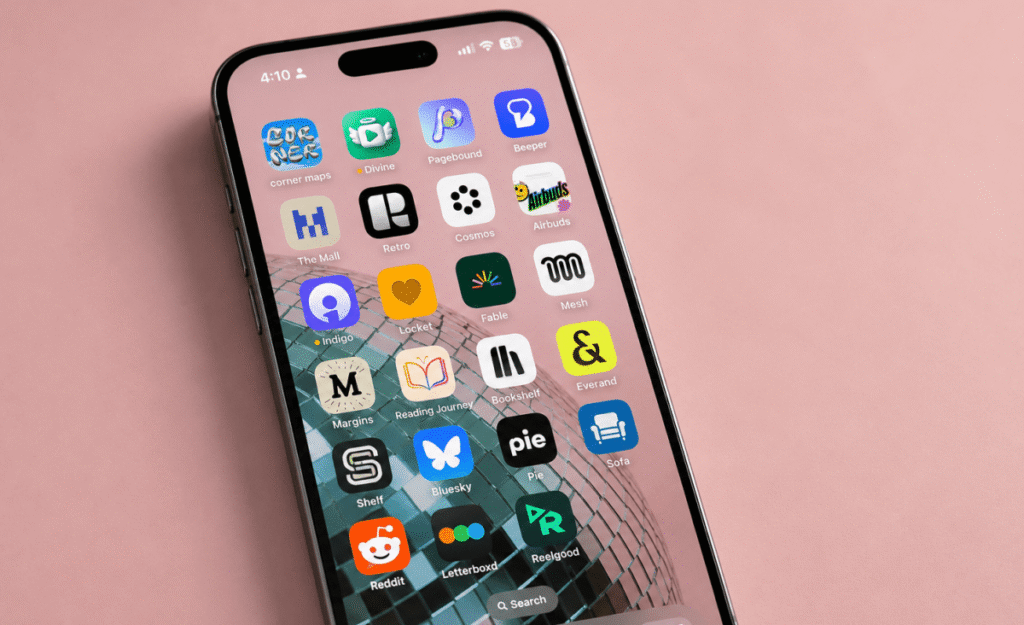
Beyond Meta: Top Social Apps Challenging Big Tech
For years, our digital social interactions have been funneled through a handful of industry titans like Meta, Google, Snapchat, and X. However, a wave of agile startups is now challenging this status quo, focusing on smaller, more personal networking experiences that prioritize genuine connection over algorithmic scale.
For those looking to move beyond the grip of traditional platforms, a new ecosystem of specialized apps is emerging. These tools are resonating particularly well with Gen Z, a demographic increasingly eager to cultivate their digital presence in fresh, community-focused spaces rather than relying on legacy platforms.
Retro
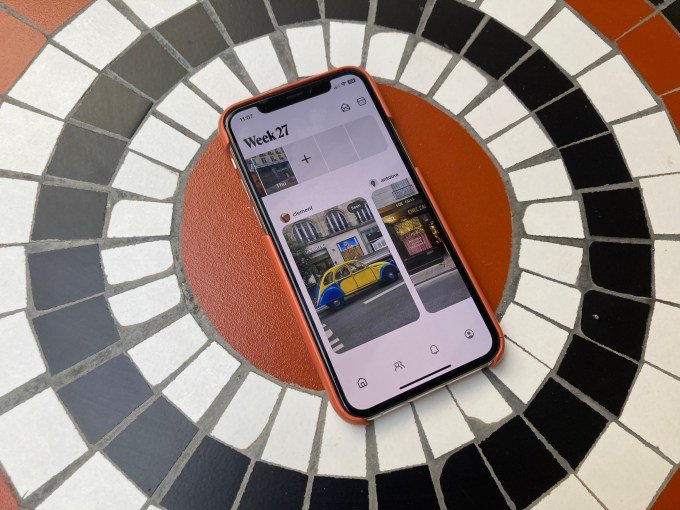
Co-founded by former Instagram team members Nathan Sharp and Ryan Olson, Retro is a photo-sharing platform designed for intimacy. It allows users to highlight weekly photo selections and organize content into albums. With robust privacy controls, users can dictate which friends gain access to their older archives, making it a space for meaningful reconnection rather than public performance.
Cosmos
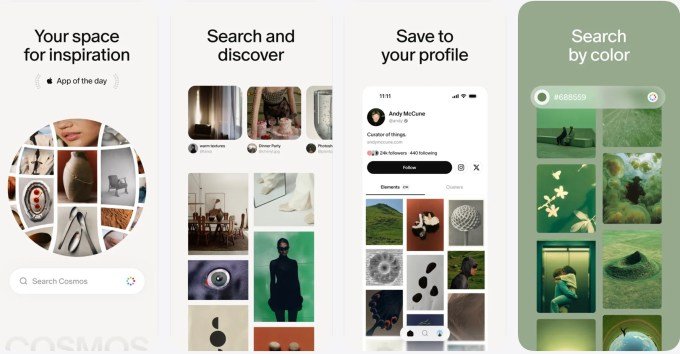
For creatives tired of the repetitive nature of mainstream discovery platforms, Cosmos serves as a curated “space for inspiration.” It allows users to build profiles based on aesthetic taste—searching by color, keyword, or image—and collaborate on collections with others. It offers a more elevated, shopping-integrated experience compared to traditional mood-boarding sites.
Indigo
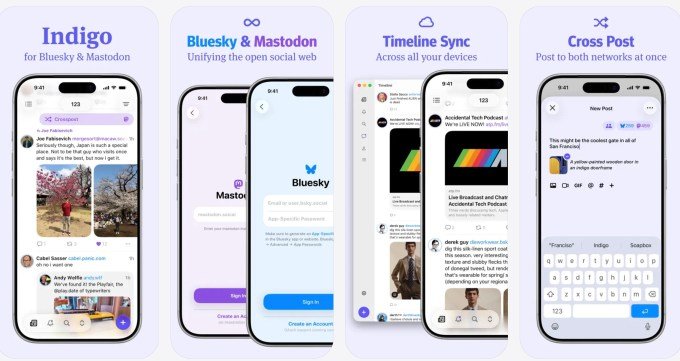
For those navigating the fractured decentralized social landscape, Indigo provides a unified solution. Co-created by Ben McCarthy and Aaron Vegh, the app allows users to interact with both Mastodon and Bluesky via a single interface, offering cross-posting capabilities and a highly customizable timeline.
Indigo: iOS only
Corner
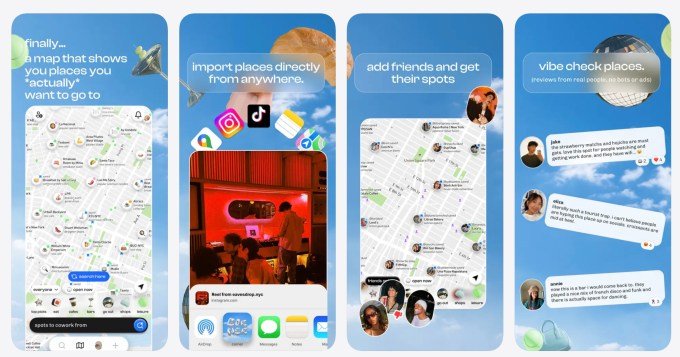
Corner reimagines local discovery by acting as a social-first map. With over 125,000 users, it enables people to curate and share lists of favorite spots—from indie bookshops to queer nightlife—creating a personalized, community-driven alternative to standard map applications.
Corner: iOS only
Divine
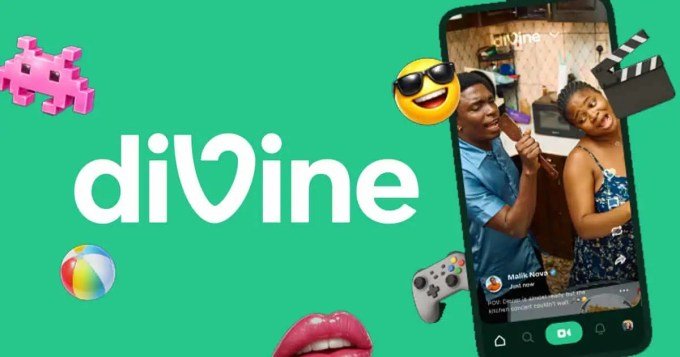
Nostalgic for short-form video? Divine serves as a spiritual successor to Vine. Developed by early Twitter employee Evan Henshaw-Plath and backed by Jack Dorsey’s nonprofit, the app hosts an archive of 500,000 original Vine videos and invites creators to produce new six-second content.
Mesh
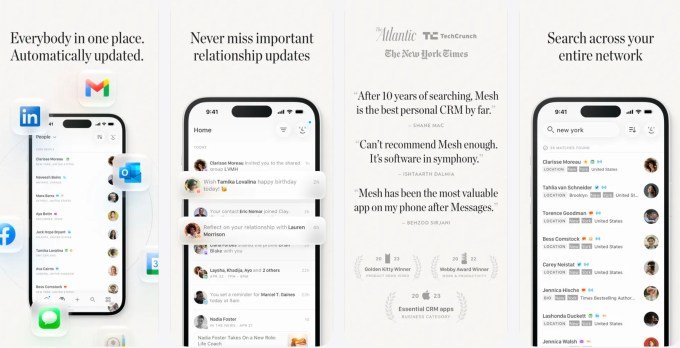
Acquired by Automattic in 2025, Mesh functions as a “personal CRM” on steroids. It helps users track professional and personal connections by monitoring social updates and setting reminders for outreach, streamlining how people maintain their network.
Fable
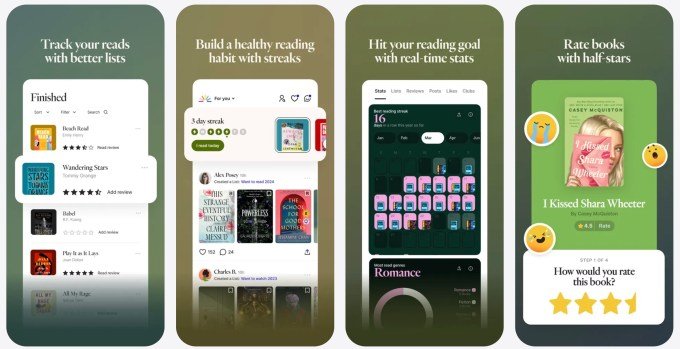
Fable offers a community-driven approach to book tracking. Through a new partnership with Everand, users gain access to a vast library of digital titles, with reviews and ratings syncing directly into the app’s social features, where members can participate in virtual book clubs.
Locket
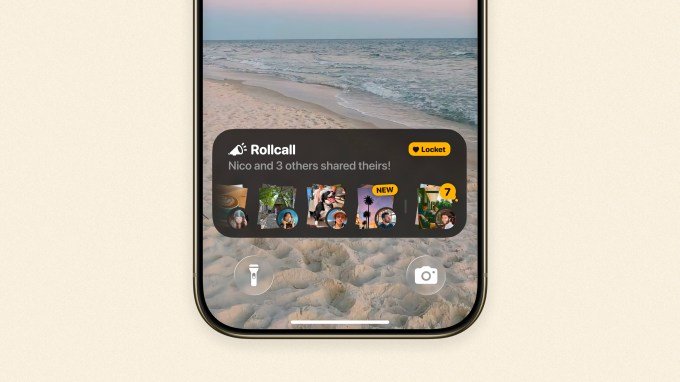
Locket pioneered the “social widget” concept, placing friends directly onto the smartphone’s home screen. It facilitates live photo sharing and lightweight messaging, creating a persistent sense of presence with a close-knit circle of contacts.
Airbuds
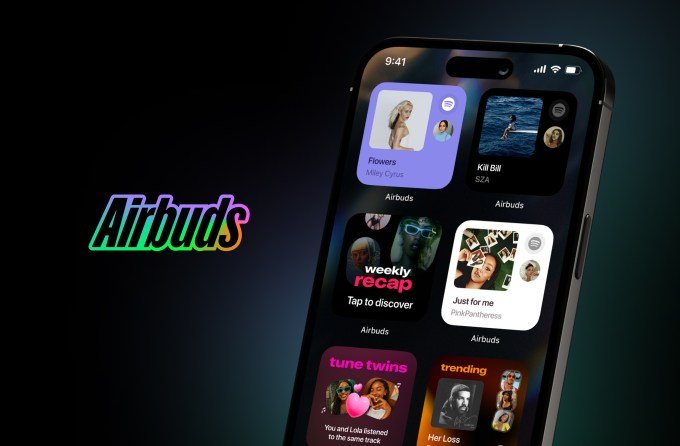
Airbuds transforms music streaming into a social activity. Beyond simply showing what friends are listening to, it facilitates interaction through reactions, music quizzes, and personality analysis based on listening habits.
The Mall
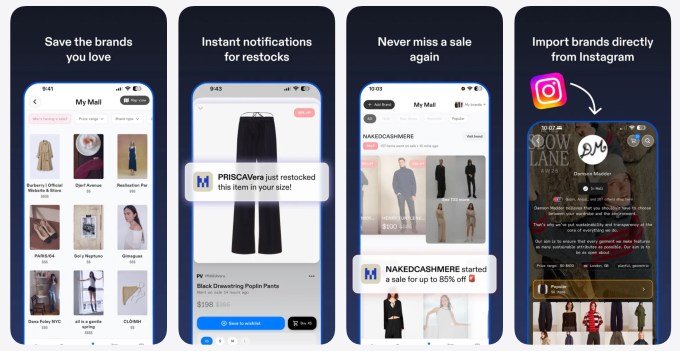
The Mall aims to make online shopping a social pursuit. By providing a universal feed for brand releases and allowing users to explore the shopping collections of their friends, it builds a community-driven layer on top of e-commerce storefronts.
The Mall: iOS (waitlist)
Shelf
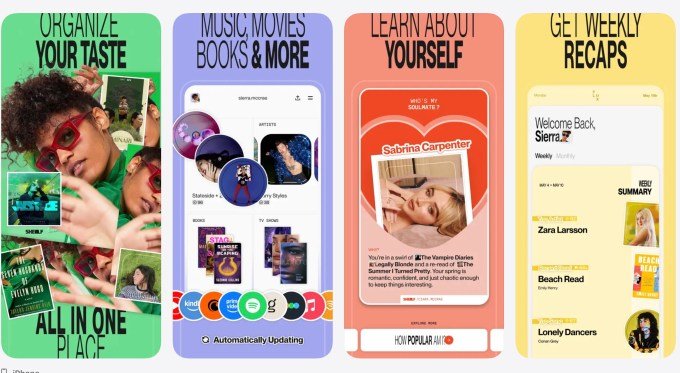
Shelf prioritizes personal organization over public clout. It allows users to track their media consumption—books, movies, music—while offering a private-by-default environment where friends can browse each other’s shelves for inspiration.
Shelf: iOS