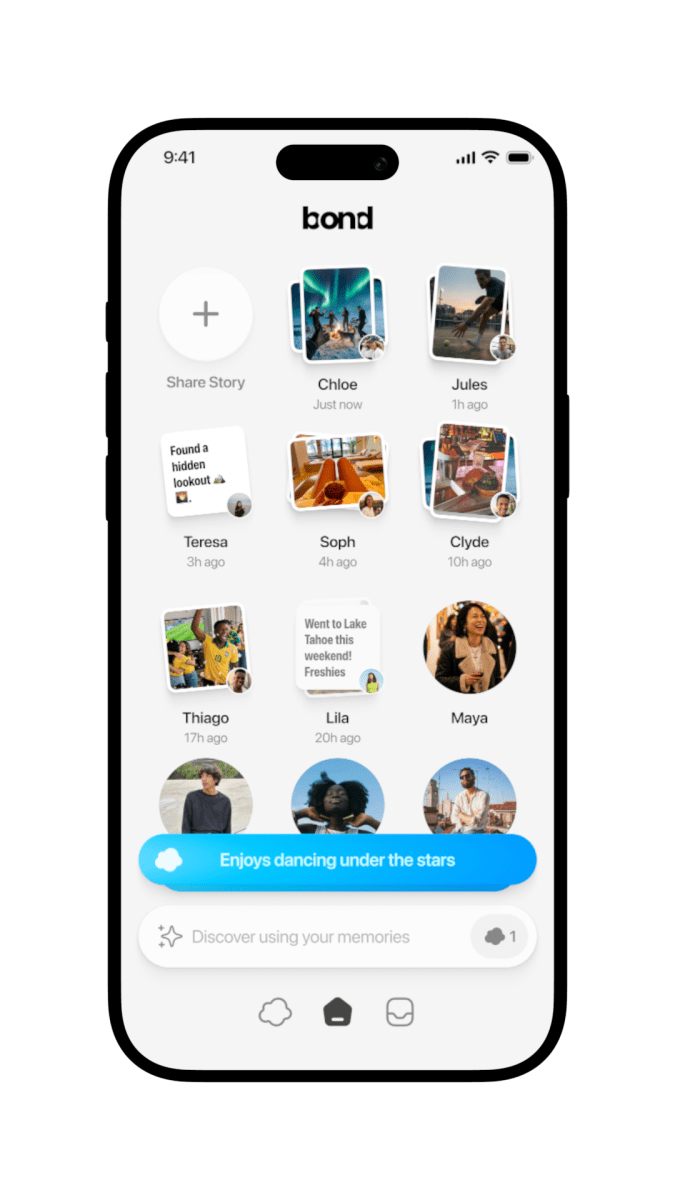
Bond Launches AI Social App to End Your Doomscrolling Habit
Bond, a new social platform that officially launched this Tuesday, is positioning itself as an antidote to the addictive design of legacy networks. By leveraging artificial intelligence, the app aims to shift user behavior from passive “doomscrolling” toward active, real-world engagement.
The platform was developed by a team with deep roots in the tech industry, including veterans from TikTok, Twitter, and Facebook. Dino Becirovic, co-founder and CEO of Bond, previously held roles at Kleiner Perkins and Index Ventures, while founding researcher Arthur Bražinskas brings experience from his time co-leading user signal integration for Google Gemini.
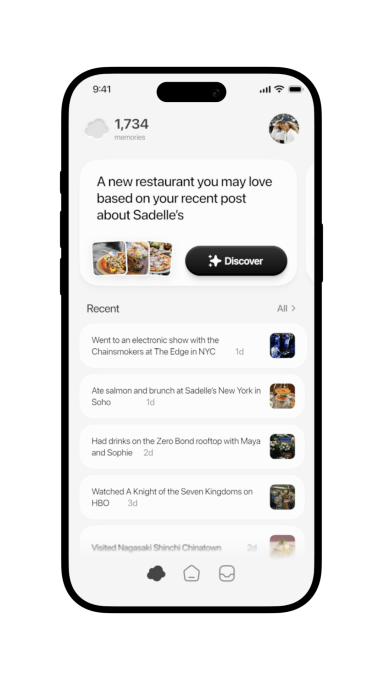
How the Bond AI Works
Unlike traditional apps that rely on infinite feeds, Bond functions as a personalized generator for real-world activity. Users document their lives through “memories”—which can include audio, video, or photos—that disappear from public view after 24 hours while remaining in a private, searchable archive.
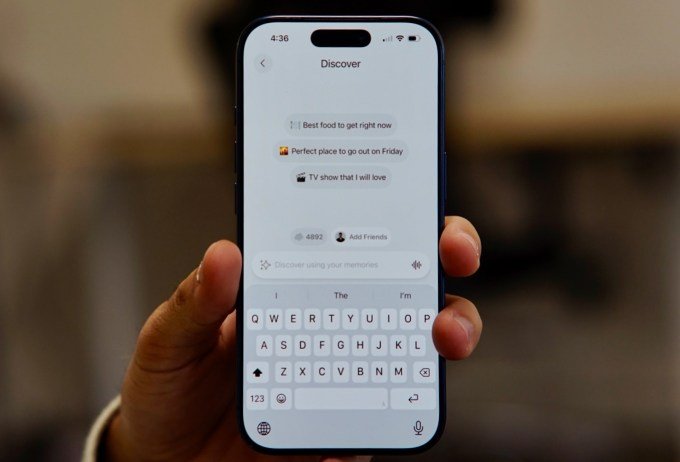
The system uses these inputs to train its AI, offering tailored recommendations that encourage offline participation. Examples provided by the company include:
- Suggesting a highly-rated local restaurant if a user frequently posts about craving a specific cuisine.
- Alerting users to upcoming concerts based on their stated musical interests.
A New Revenue Model
Bond intends to avoid the advertising-heavy model common to modern social media. Instead, Becirovic outlines a future where users can choose to license their archived data to AI developers for model training, with Bond taking a small transaction fee. Additionally, the platform may eventually integrate with e-commerce, offering product recommendations that facilitate real-world transactions.
“The idea behind this licensing model is that you can monetize your memories,” Becirovic stated. He emphasized that the company is currently prioritizing user experience and product adoption over immediate monetization.
Data Privacy and Security
Addressing potential privacy concerns, the company stated that it does not sell user data for advertising purposes. Users retain the ability to delete memories via the app or through natural language commands in the “Memory chat.” While Becirovic noted that end-to-end encryption is a priority for the near future, he confirmed that data is currently stored securely within their database.