Canopii Aims for Indoor Farming Success With Automation
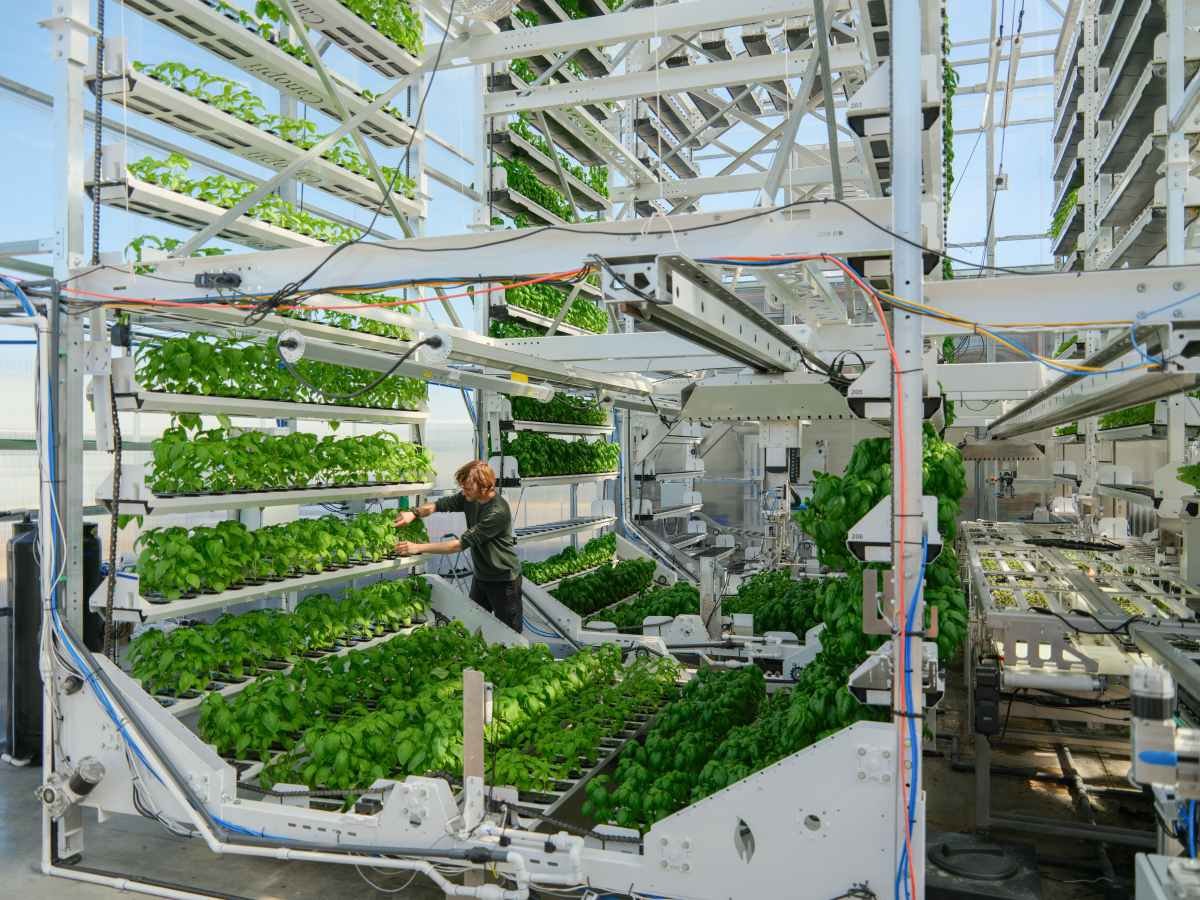
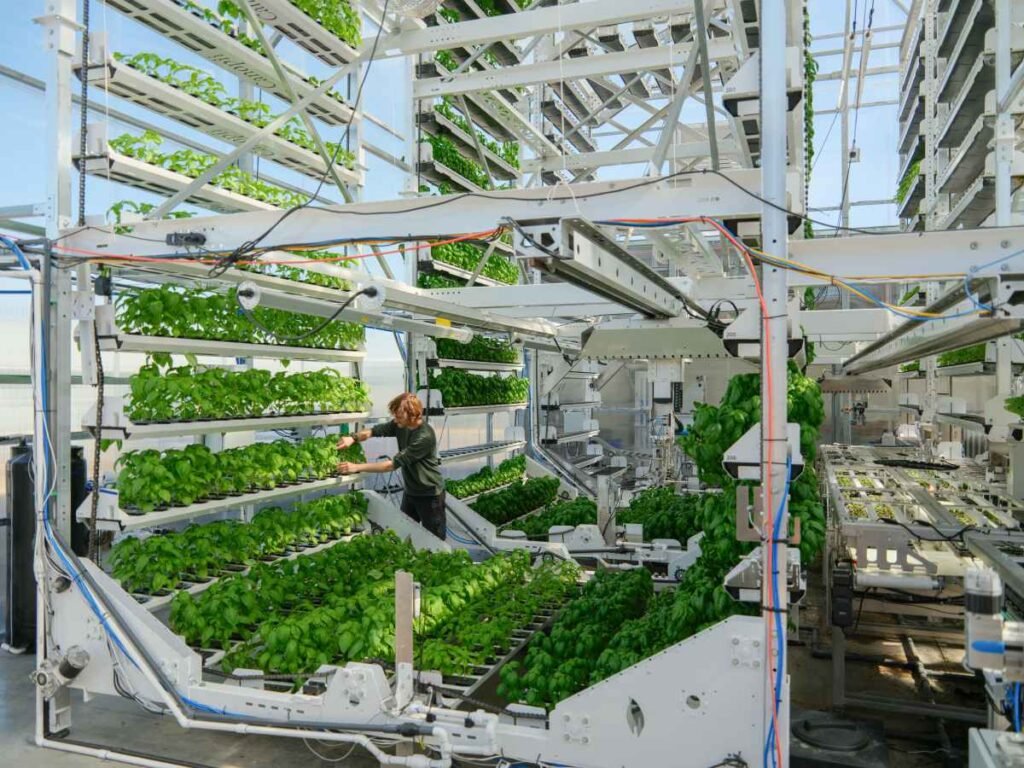
Portland-based startup Canopii has reached a critical operational milestone, successfully launching an autonomous robotic greenhouse capable of managing the entire cultivation cycle—from seeding to harvest—without human intervention.
Founder David Ashton developed the technology to address inefficiencies in produce supply chains, drawing inspiration from his observations of massive, drought-impacted lettuce farms in California during the late 2000s.
Efficiency through automation
The company’s greenhouses are engineered to function with minimal resource consumption, fitting into a space the size of a basketball court. According to Ashton, the system operates on standard residential power—100 AMPs and 240 volts—allowing for deployment in diverse locations, including backyards.
The current production focus includes:
- Herbs and specialty greens.
- Baby bok choy.
- Gai lan (Chinese broccoli).
Each unit is capable of yielding up to 40,000 pounds of produce annually, requiring only a single water connection to sustain the crops.
A different approach to agtech
Canopii’s development trajectory differs significantly from the well-funded vertical farming firms that previously struggled with profitability. While companies like Bowery Farming and Plenty raised massive amounts of venture capital before facing bankruptcy, Canopii has opted for a leaner, slower growth model.
To date, the company has raised approximately $3.6 million. Of that total, $2.3 million was secured through grants—including a $250,000 prototype grant and a subsequent $1 million award from the National Science Foundation—with the remainder coming from strategic partners.
“The capital stack has to be diversified beyond VC,” Ashton explained. “We’re five now, and we’re still just iterating on one farm, which has allowed us to learn so much. I think if we got VC right away, and we try to scale after year one or two, that’s not possible with food infrastructure.”
Future expansion
With the automation technology proven, Canopii is preparing to establish its first commercial site in downtown Portland. The company has already reported inbound interest from various sectors, including restaurants, educational institutions, and casinos.
Looking ahead, the startup plans to transition into a franchise model. While Ashton intends to eventually pursue venture capital, he maintains that the priority remains refining the hardware to ensure it can be mass-produced with the consistency of an automobile.
“We have an autonomous farm that grows everything from seed to harvest without any human intervention, and we did so with a very small team and very little capital,” said Ashton. “I think that’s very different from what the rest of the industry had experienced.”