Decart Unveils Oasis: A Playable AI-Generated World Model
Decart, an Israel-based artificial intelligence firm, has officially exited stealth mode today with the announcement of Oasis. The company secured $21 million in funding from backers including Sequoia and Oren Zeev to develop what it describes as the first playable “open-world” AI model.
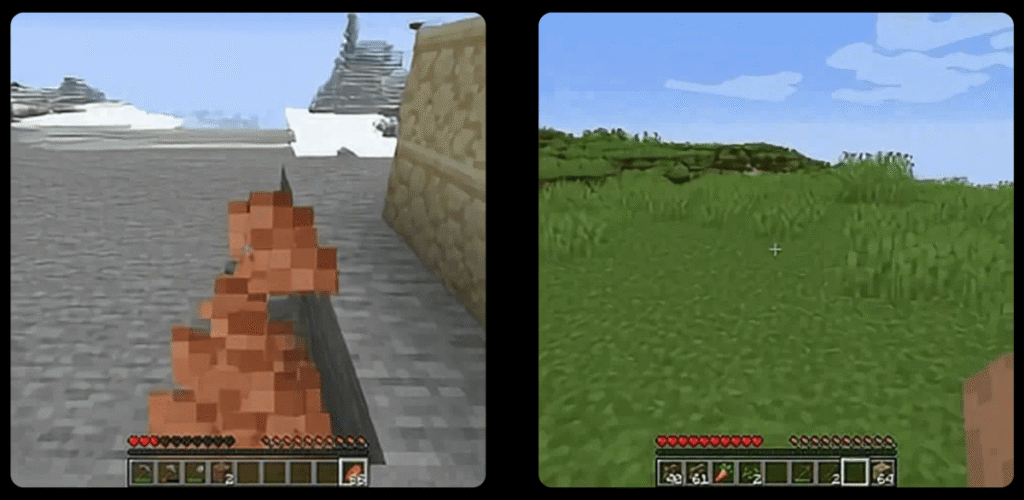
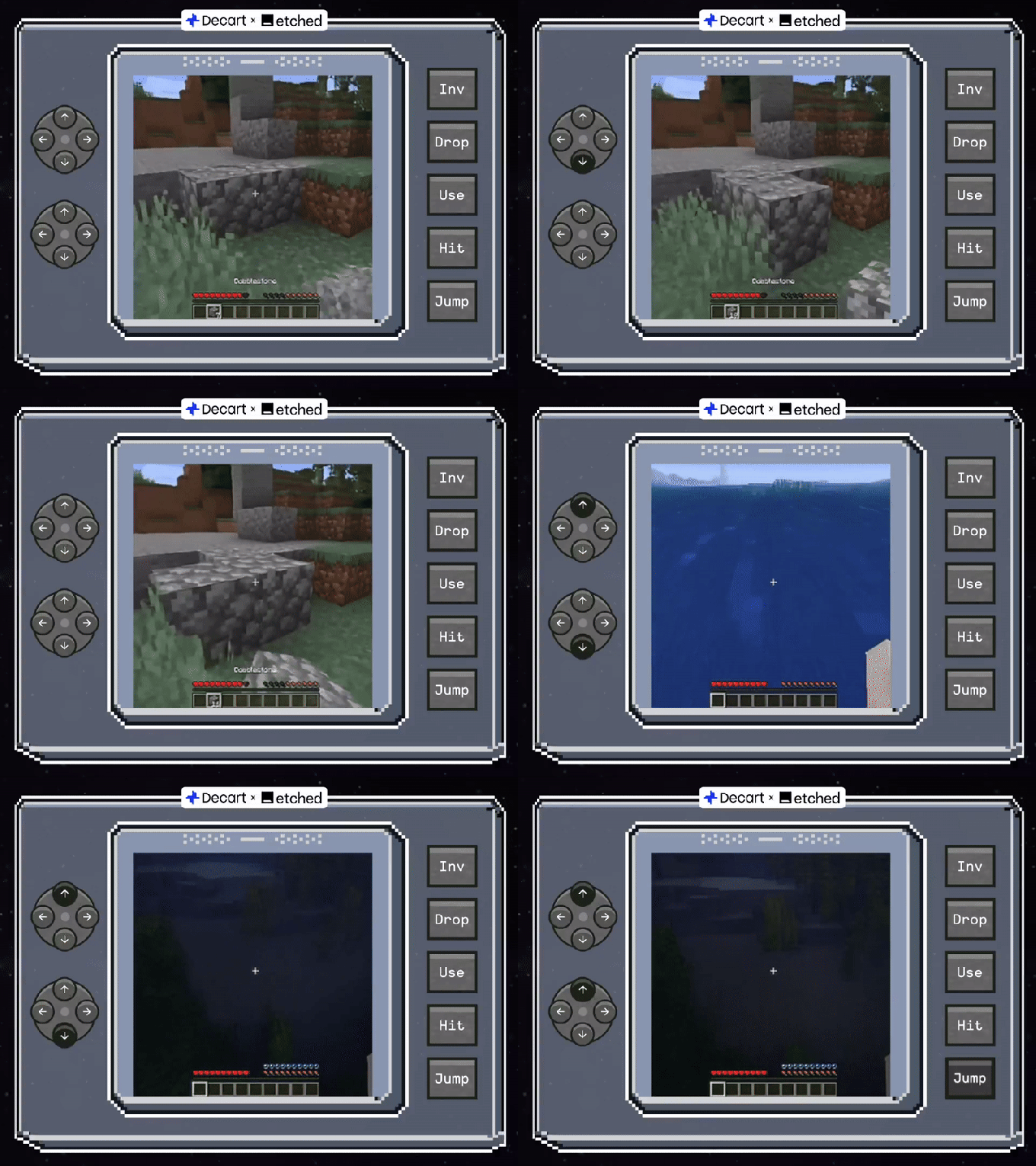
Unlike traditional game engines that rely on pre-coded assets, Oasis functions as a generative “world model.” By analyzing extensive footage of Minecraft gameplay, the AI learns to simulate physics, environmental rules, and graphics. Users interact with the system using standard keyboard and mouse inputs, which the model processes to generate frames in real time.
Technical Capabilities and Limitations
While various research projects have explored world models, many existing solutions struggle to maintain high frame rates. Oasis distinguishes itself through its speed, though current performance shows the technology is still in its infancy:
- Visual Quality: The output currently operates at a low resolution.
- Spatial Consistency: The model frequently fails to maintain a permanent map layout, often altering the environment when the user changes perspective.
- Hardware Requirements: The public demo is currently powered by Nvidia H100 GPUs, but the company has optimized the software to run on upcoming AI accelerator chips from Etched.
Future Potential and Legal Questions
Decart is already expanding the platform’s capabilities, introducing features that allow users to upload images to generate custom environments. The company envisions a future where these models could produce 4K gameplay or dynamically alter entertainment experiences based on user preferences or real-time audio and text prompts.
However, the project faces significant legal ambiguity. Because Oasis was trained on Minecraft gameplay footage—a property owned by Microsoft—questions regarding copyright infringement remain unanswered. The startup has not indicated that it received authorization from Microsoft to utilize this training data, leaving the potential for future litigation over the unauthorized replication of gaming intellectual property.
The company outlines its vision for the technology as a way to augment interactive media, potentially transforming how users engage with digital environments through generative inputs.