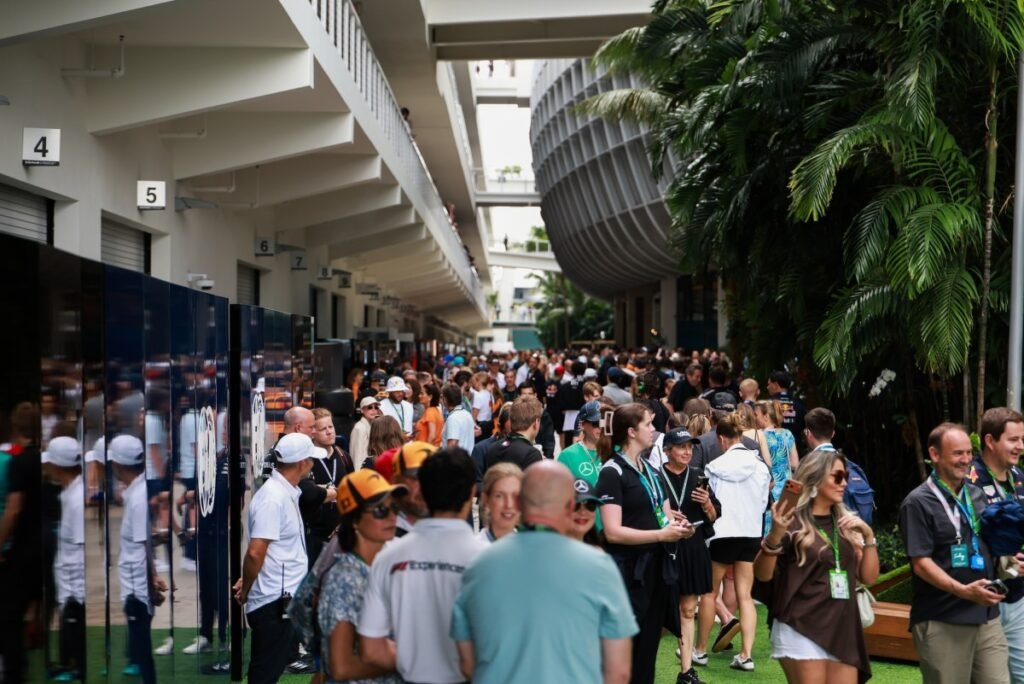
F1 Paddock: The New Power Hub for Tech Startups and VCs
The Formula 1 paddock has evolved into more than just a high-speed circuit for racing; it has become a primary venue for venture capitalists and startup founders to secure high-stakes enterprise deals. As the intersection of extreme wealth and technical innovation, the three-day race weekends are increasingly serving as a high-octane alternative to traditional, and often tedious, corporate retreats.
The shift is evident in the team liveries themselves. Where once tobacco, banking, and oil logos dominated, today’s cars are plastered with branding from AI, cloud computing, and enterprise software giants. This transformation reflects a broader migration of the tech ecosystem toward the sport.
A concentration of enterprise buyers
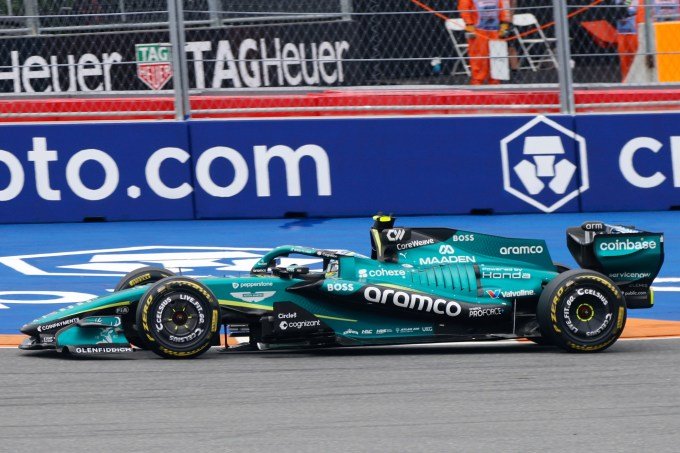
Josh Machiz, CMO of Lightspeed Venture Partners, has moved to formalize this connection. Recognizing that founders often find traditional off-sites unproductive, Machiz pivoted his firm’s strategy toward F1. Lightspeed now operates a structured program at U.S. races—Miami, Austin, and Las Vegas—facilitating introductions between their portfolio companies, Aston Martin Aramco, and other key enterprise clients.
The results are tangible. During the Miami Grand Prix, Lightspeed brought 10 portfolio companies, leading to multiple closed deals, including:
- A handshake deal for a blockchain startup.
- Two closed agreements for an AI infrastructure company.
For founders like Farooq Malik of Rain, the environment offers a level of organic interaction that formal conferences lack. “This model was a lot more interactive,” Malik noted after closing a deal and identifying new potential clients at the track.
‘Everyone there has capital’
The appeal of F1 for the tech sector is multifaceted. Investor Immpana Srri describes the paddock as a “micro-conference” where the high cost of entry serves as a natural filter. “By the time you’re inside, the room has done the sorting for you,” Srri explained. “Everyone there has capital, the deal flow, or the kind of track record that justifies dropping six figures on a weekend.”
This sentiment is echoed by Hannan Happi, founder of climate startup Exowatt. He points to the Netflix series “Drive to Survive” as a catalyst for mainstream interest, but notes that the influx of Big Tech—from crypto to AI—is a more recent development. According to Happi, the sport’s culture of rapid iteration and engineering excellence mirrors the startup world’s own values.
As teams like Mercedes-AMG Petronas continue to deepen partnerships with companies like Microsoft, and firms like Dorilton Capital complete acquisitions of legendary teams, the line between the racing circuit and the boardroom continues to blur. For Machiz and others, the strategy is clear: in the race for market share, being in the paddock is no longer a luxury—it is a competitive necessity.