Fable’s AI Ambition to Restore The Magnificent Ambersons
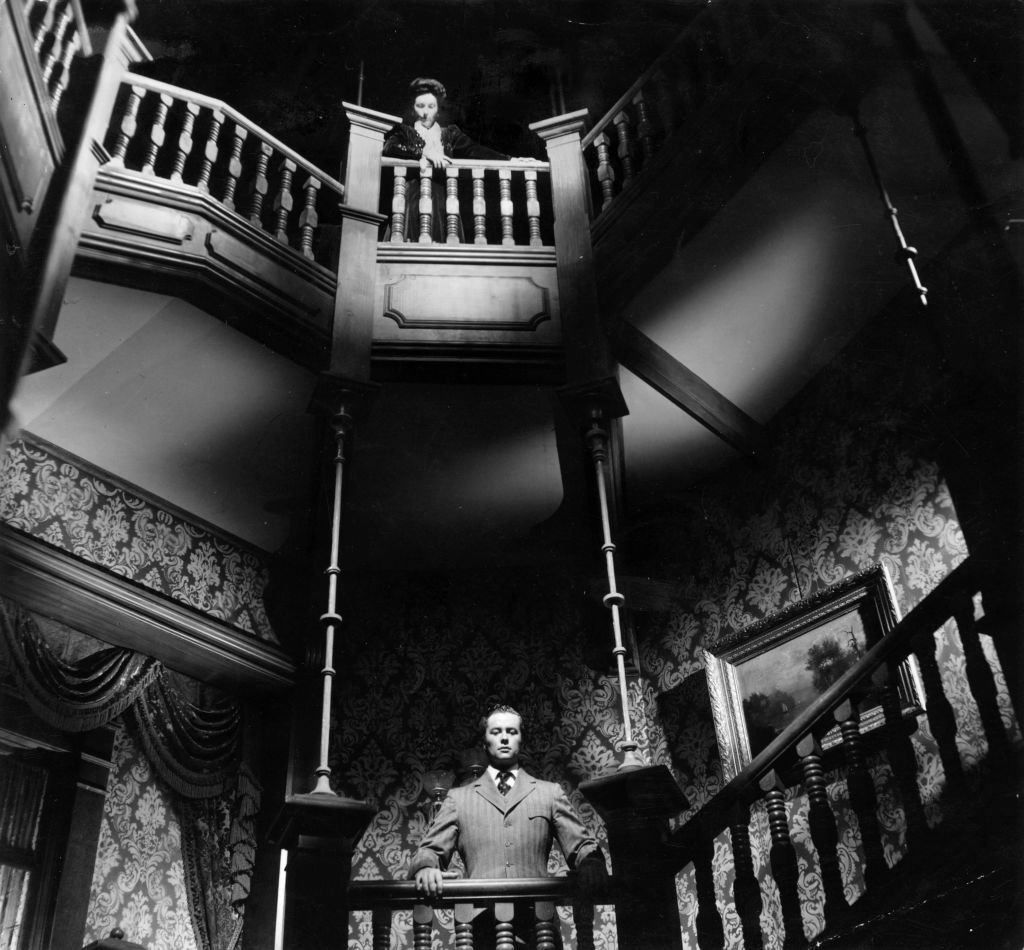
The quest to reconstruct Orson Welles’ lost masterpiece, The Magnificent Ambersons, has moved from a controversial startup announcement to a complex technical and ethical endeavor. Fable, the company behind the initiative, is attempting to use generative AI to recover the 43 minutes of footage famously excised and destroyed by the studio following a disastrous 1942 preview screening.
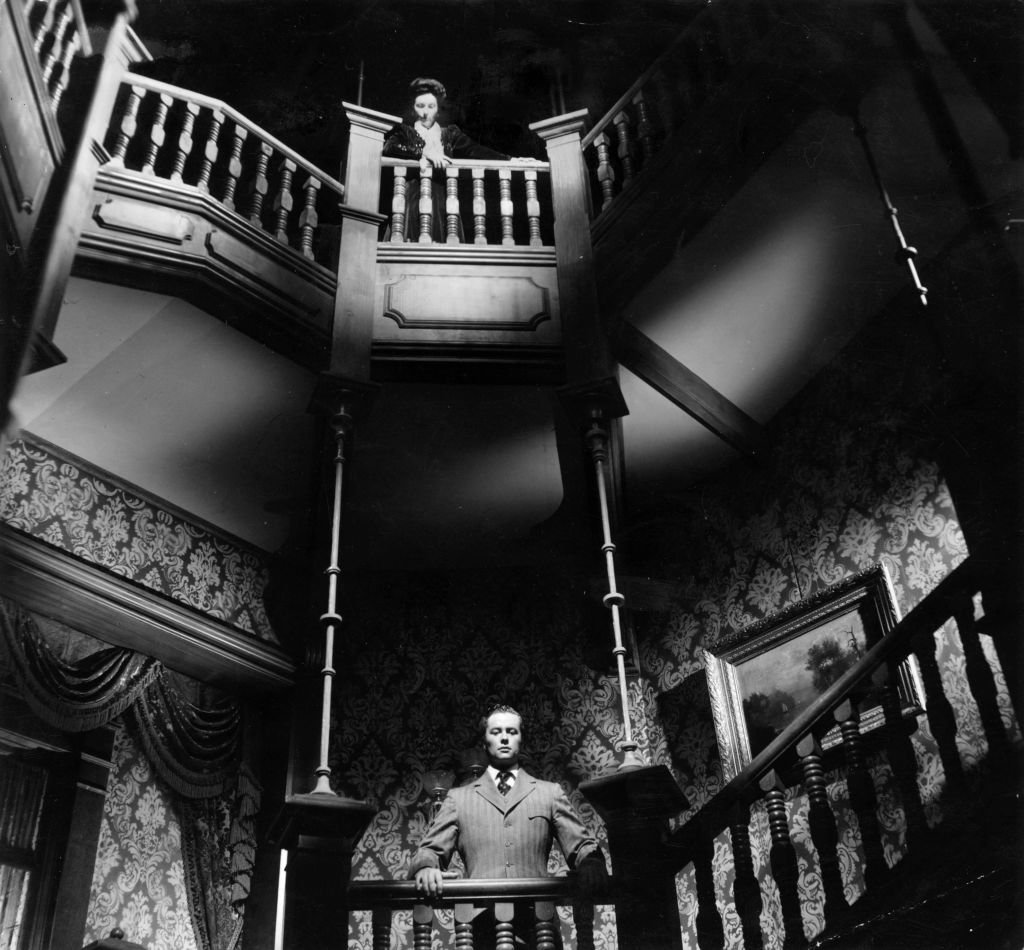
While the project initially drew skepticism from cinephiles, a recent profile in The New Yorker suggests that founder Edward Saatchi is driven by a genuine, lifelong devotion to Welles. Saatchi, who identifies the film as the “holy grail of lost cinema,” views the AI intervention as a way to “undo what had happened” to the director’s original vision.
The Technical and Creative Hurdles
Fable’s approach involves a hybrid methodology: filming new live-action scenes and overlaying them with digital recreations of the original actors and their voices. This builds upon previous, less successful attempts by filmmaker Brian Rose, who spent years trying to animate the lost script using photographs and notes.
The project faces significant challenges, which the company acknowledges:
- Visual Consistency: AI models have struggled with rendering errors, such as instances of characters appearing with multiple heads.
- Tone and Emotion: Achieving the complex aesthetic of the original cinematography remains difficult, with the AI often defaulting to inappropriately cheerful expressions for the film’s characters.
- The “Happiness” Problem: Saatchi noted the difficulty in calibrating the AI to match the somber, dramatic tone of the era rather than modern, overly polished outputs.
Industry and Estate Reactions
The initiative has garnered a polarized reception. Saatchi, who admitted that failing to consult the Welles estate before the initial announcement was a “total mistake,” is now working to build consensus with the rights holders, including Warner Bros. Beatrice Welles, the director’s daughter, expressed a cautious shift in perspective, noting that she believes the team is approaching her father’s work with “enormous respect.”
Support has also come from biographer and actor Simon Callow, a family friend of the Saatchis, who serves as an advisor on the project. Conversely, others remain firmly opposed. Melissa Galt, daughter of actress Anne Baxter, argued that the project misrepresents her mother’s legacy, stating, “It’s not the truth. It’s a creation of someone else’s truth.”
Ultimately, the project highlights a growing tension in the arts: the desire to use technology to reverse historical loss versus the philosophical argument that art requires finality. As writer Aaron Bady recently observed regarding AI and mortality, the inability to accept the permanent nature of lost cinema may be the project’s most significant hurdle, regardless of the sophistication of the technology employed.