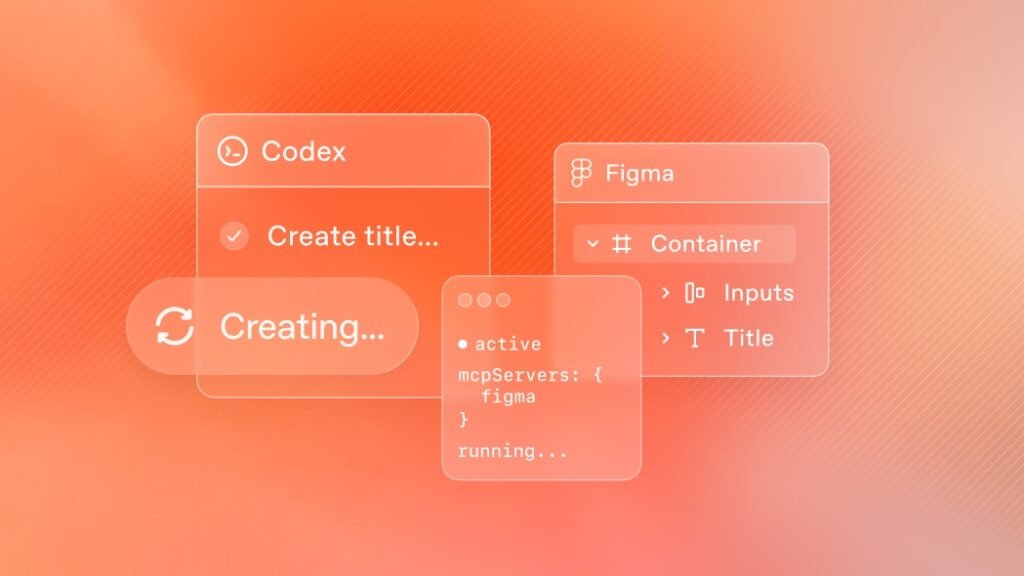
Figma Integrates OpenAI’s Codex to Bridge Design and Code
Figma is deepening its commitment to artificial intelligence by integrating OpenAI’s Codex, a move designed to allow creators to build and refine designs directly within their coding environments. This update marks a significant expansion of Figma’s interoperability, arriving just one week after the design platform announced a similar collaboration with Anthropic to incorporate Claude Code.
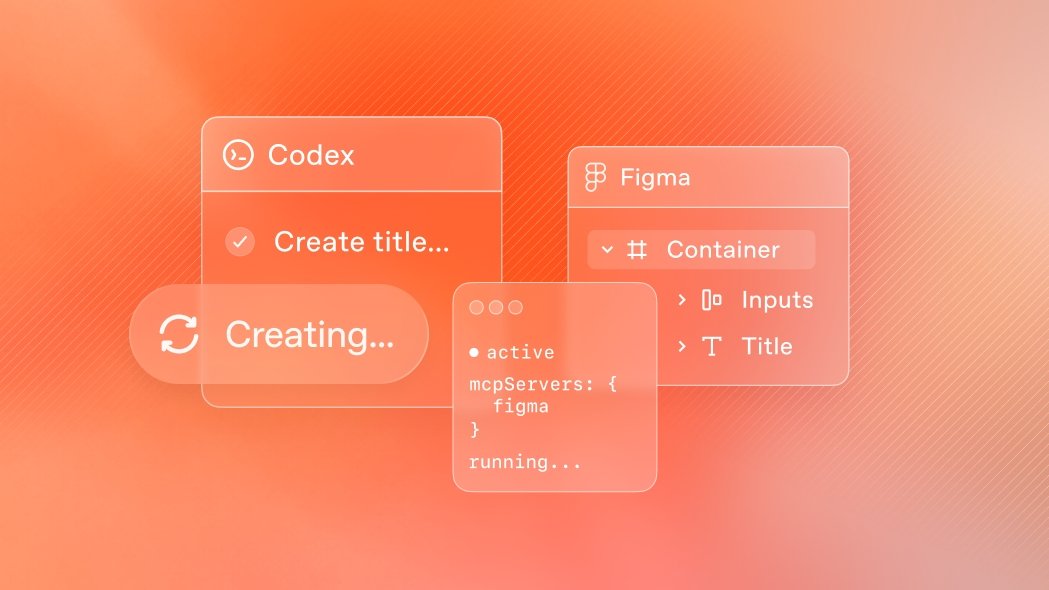
The integration leverages Figma’s Model Context Protocol (MCP) server, enabling a seamless transition between design workflows and code implementation. By bridging these two environments, the company aims to eliminate the friction typically found when shifting between visual prototyping and technical development.
Enhancing Cross-Functional Workflows
The collaboration seeks to dissolve the traditional boundaries between engineering and design roles. Rather than forcing users to choose between a visual or code-first approach, the integration supports a more iterative process:
- Visual iteration for engineers: Developers can now modify visual elements without disrupting their coding workflow.
- Implementation-focused design: Designers can align their work closer to the final code output without needing to become full-time engineers.
- Expanded utility: The integration is built to support a diverse range of builders, regardless of their primary job function.
“With this integration, teams can build on their best ideas — not just their first idea — by combining the best of code with the creativity, collaboration, and craft that comes with Figma’s infinite canvas,” said Loredana Crisan, Figma’s chief design officer.
Alexander Embiricos, product lead for Codex at OpenAI, added that the tool’s expanded capabilities make it a more powerful asset for businesses. “The integration makes Codex powerful for a much broader range of builders and businesses because it doesn’t assume you’re ‘a designer’ or ‘an engineer’ first,” Embiricos stated.
The Growth of OpenAI’s Codex
OpenAI has aggressively expanded the reach of Codex since its initial launch as a command-line assistant last year. Following its integration into ChatGPT, the company recently debuted a dedicated MacOS application for the tool. The response has been rapid, with the app reaching one million downloads in its first week. Currently, OpenAI reports that over a million users are using Codex weekly.
For Figma, this partnership is a continuation of its long-standing collaboration with OpenAI. The design company was among the first to launch an application within ChatGPT back in October 2025, and this latest move further cements its strategy of embedding AI directly into the creative process.
Previously, users were limited to importing details from Figma files, Figma Make, or FigJam into Codex. With the new MCP-based integration, the relationship between the two platforms becomes bidirectional and significantly more fluid.