Google Launches Android 17 Beta With New Release Strategy
Google officially kicked off the testing phase for Android 17 this Wednesday, introducing the first beta version alongside a fundamental shift in how the company distributes updates to the developer community. Moving away from traditional developer betas, the tech giant is transitioning to a continuous Canary release model, mirroring the update cycle used for the Chrome browser.
A New Development Workflow
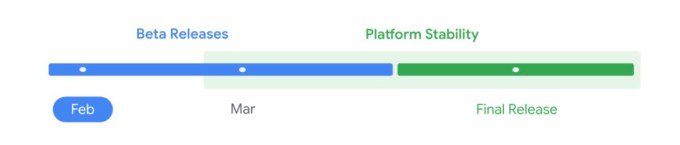
By adopting the Canary channel, Google aims to provide developers with access to new APIs and features immediately after they pass internal testing. This continuous delivery model supports over-the-air updates, allowing for a more streamlined integration and testing process. The company is targeting March for platform stability, with the full public release of Android 17 scheduled for Q2 2026.
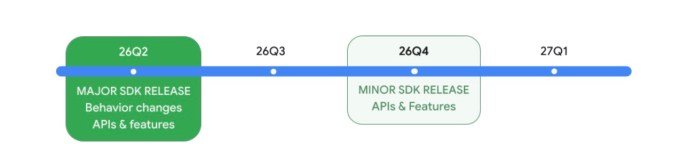
This strategy follows the two-release structure established with Android 16 last year, which splits the year into a major SDK release in the first half and a minor one in the second. The goal is to accelerate the adoption of new versions by device manufacturers and mitigate fragmentation across the Android ecosystem.
Key Technical Updates
Android 17 brings a suite of performance and behavioral changes aimed at improving the user experience on diverse hardware, particularly large screens:
- Resizing Restrictions: Developers can no longer opt out of resizing requirements, preventing the forcing of specific orientations or window sizes on foldables and tablets.
- Camera and Media: New APIs facilitate smoother camera transitions and add support for the VVC (H.266) video codec.
- Audio Management: Enhanced controls for background audio and consistent volume handling across applications.
- System Performance: Improvements include reduced missed frames and an optimized garbage collection mechanism for more efficient memory management.
- Connectivity: Wi-Fi capabilities are being bolstered with more secure peer discovery and improved proximity detection.