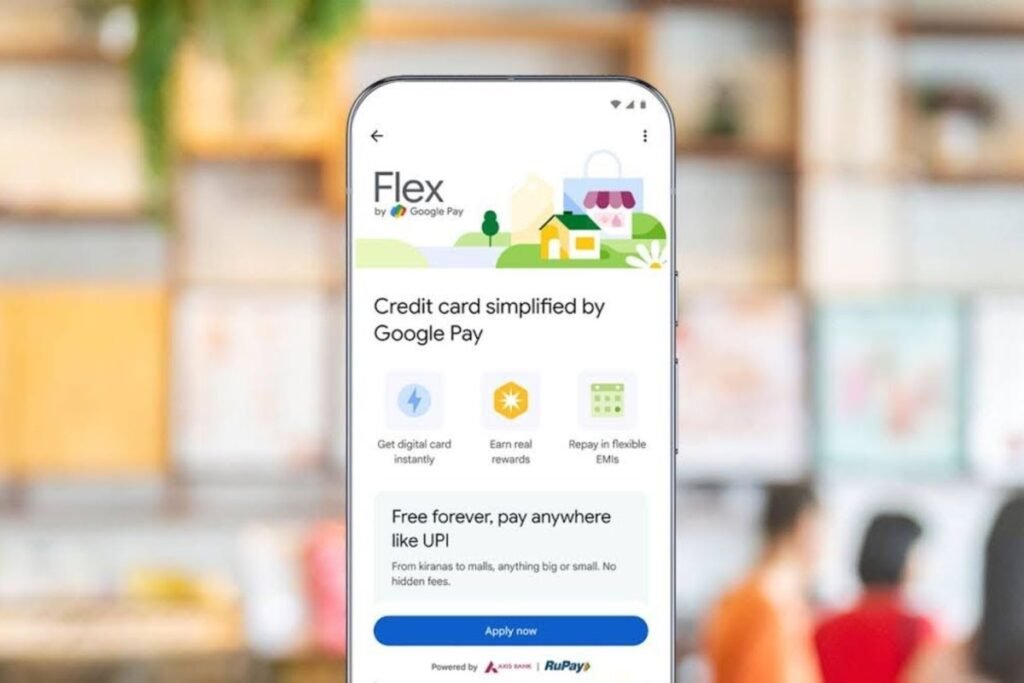
Google Pay Launches Flex Credit Card to Boost India Lending
Google is deepening its footprint in India’s financial sector with the introduction of “Flex by Google Pay,” a co-branded credit card developed in partnership with Axis Bank. The move targets a massive gap in the local market, where despite a population exceeding 1.4 billion, fewer than 50 million individuals currently hold a credit card.
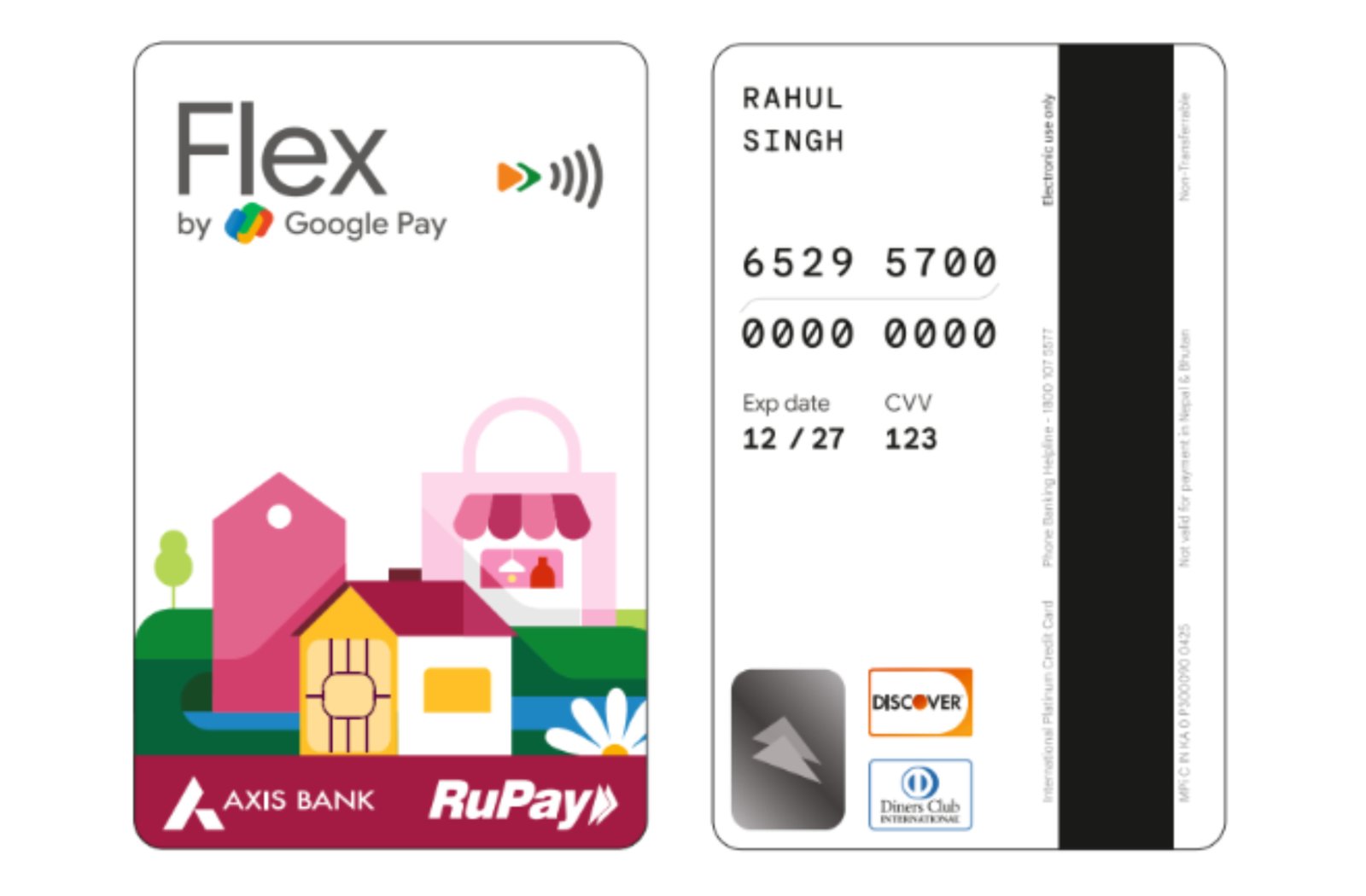
The product, built on the RuPay network, is designed to integrate directly into the Google Pay app, allowing users to manage balances, track spending, and convert bills into installments. By embedding lending into a platform already central to India’s Unified Payments Interface (UPI) ecosystem, Google is attempting to solve the disconnect between the rapid adoption of digital payments and the stagnant growth in new credit cardholders.
Addressing the Credit Gap
Sharath Bulusu, senior director of product management for Google Pay, noted that the current credit market growth is largely concentrated among existing users. “It’s the same users getting more and more credit,” Bulusu explained. The company intends to capture first-time borrowers by offering transparency and flexibility, with fees and interest rates tailored to individual credit profiles.
Key features of the Flex card include:
- Digital-first issuance within the Google Pay app.
- Ability to block the card or reset a PIN directly from the interface.
- A rewards program centered on virtual “Stars,” where each Star is equivalent to ₹1.
- No application fee, with repayment choices displayed clearly before transactions are finalized.
Expanding the Ecosystem
Beyond the credit card, Google is diversifying its financial tools in India. The company is introducing “Pocket Money,” a feature utilizing the UPI Circle framework that enables parents to grant children controlled access to digital payments. Unlike traditional prepaid cards, this system keeps funds in the parent’s account until a transaction is authorized, with monthly spending caps of up to ₹15,000.
The platform is also enhancing its utility for the more than 23 million small merchants onboarded to Google Pay. Updates include:
- Direct integration: Customer ratings for merchants now sync automatically to Google Maps listings.
- AI-driven marketing: New tools in the Google Pay for Business app assist merchants in generating and launching promotional advertisements.
Google’s entry into co-branded credit cards puts it in direct competition with major players like Amazon, Flipkart, and PhonePe. With reports suggesting that co-branded cards could capture over a quarter of India’s market volume by 2028, Google is actively seeking additional issuer partners to scale this offering beyond its current collaboration with Axis Bank. This strategy leans on the platform’s massive reach, which has already facilitated payments for over 530 million unique users.
For further insights into the Indian payments landscape, refer to the PwC report or the Redseer analysis on the rise of co-branded credit products.