Google Play Expands PC Game Support and AI Features
Google is overhauling the gaming experience on its platform, rolling out a suite of tools designed to help developers boost user engagement and streamline monetization. Announced during the Google for Games Developer Summit in San Francisco, the updates span from AI-driven information pages to the integration of native PC titles.
AI Integration and Store Discovery
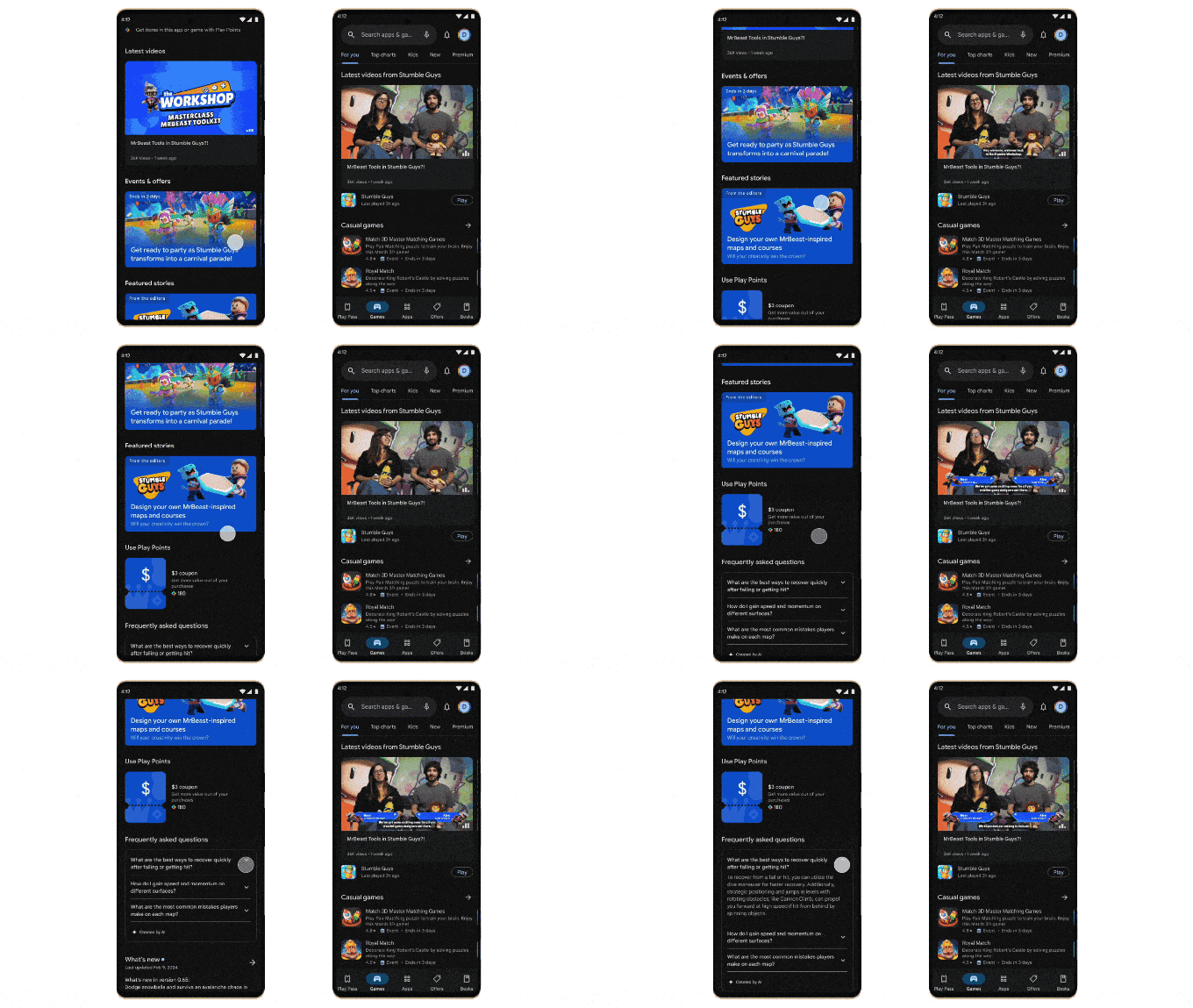
The company is introducing AI-powered FAQ sections directly on game listings. By leveraging artificial intelligence to generate answers, developers can provide clearer information to potential players. While currently available to a select group of developers in English, the feature builds on Google’s previous testing of AI-generated responses for non-gaming apps.
To further improve discoverability, Google is providing new listing tools that allow creators to showcase promotional content and the latest YouTube videos within the Games tab of the Play Store.
Expanding PC Support and Monetization
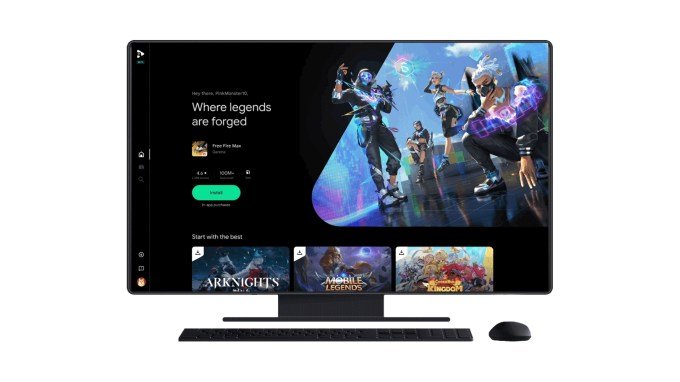
Google is evolving its strategy for the desktop environment. After expanding its Play Games for PC program to over 120 countries, the platform is now opening its doors to native PC games. High-profile titles already integrated include Genshin Impact, Lineage2M, Odin: Valhalla Rising, and Dragonheir: Silent Gods, with Solo Leveling: Arise expected later this year.
Updates to Rewards and Ad Formats
The company is also deepening its commitment to developer revenue through several key initiatives:
- Play Points: The rewards program, which boasts over 220 million members across 35+ markets, is expanding to Brazil this year. Developers can now use the program for exclusive in-app offers.
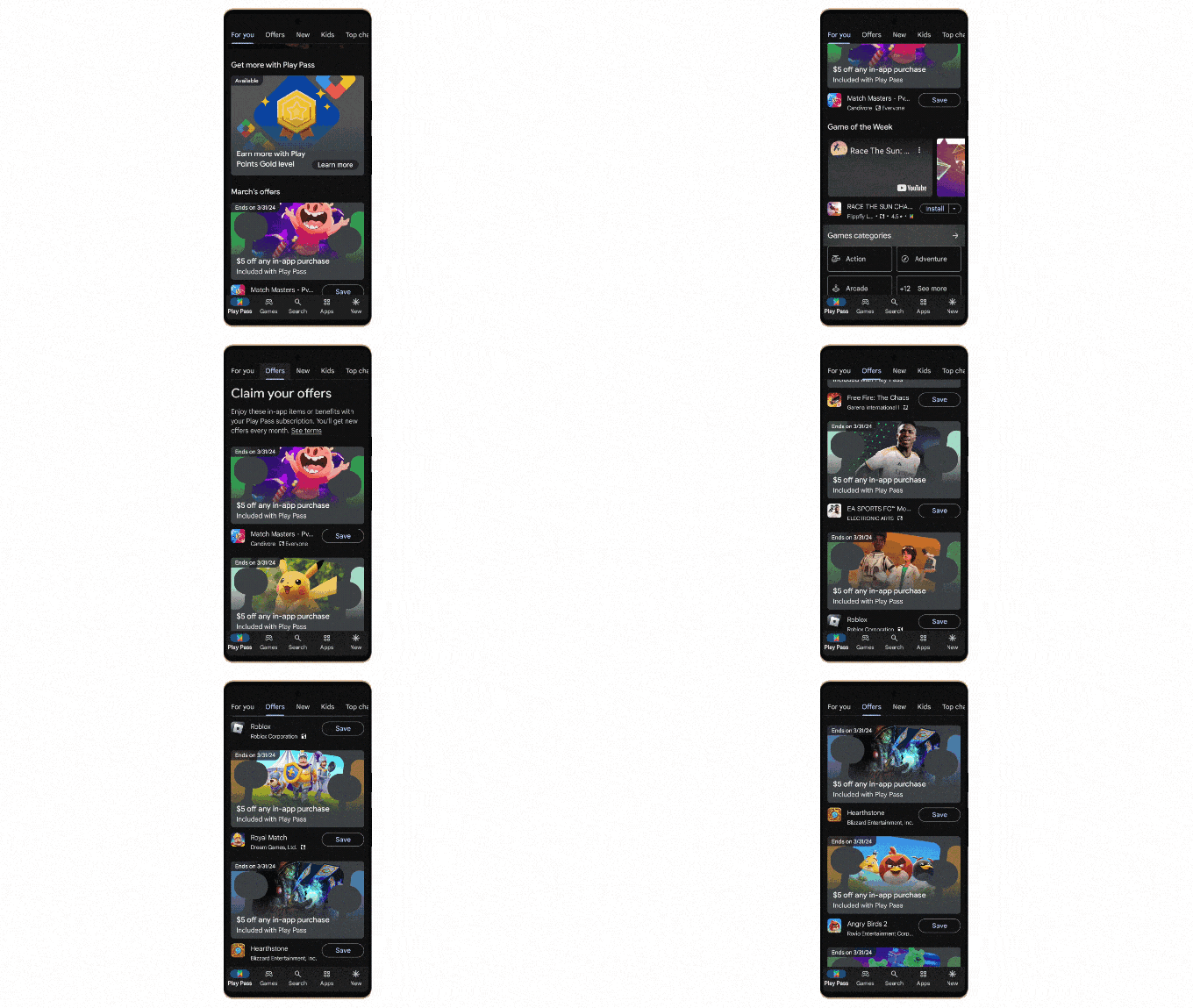
- Play Pass: Publishers can now offer specific discounts to Play Pass subscribers, with the service set to launch in Korea later this year.
- Immersive Ads: Via AdMob, Google is rolling out new ad formats designed to blend into the game environment, specifically during natural transition points like level progressions or intermissions.

Finally, Google is providing developers with more granular data to manage user retention. New tools allow studios to track uninstalls and target specific segments, such as lapsed payers, users who have never made a purchase, or those who have not engaged with push notifications over the previous seven-day period.