
Google Rolls Out Nano Banana 2 With Faster AI Generation
Google has officially debuted Nano Banana 2, the latest iteration of its image generation technology, built on the Gemini 3.1 Flash Image architecture. The new model replaces its predecessor as the primary engine for the Gemini app across its Fast, Thinking, and Pro modes, prioritizing faster processing times without sacrificing visual fidelity.

Enhanced Capabilities and Performance
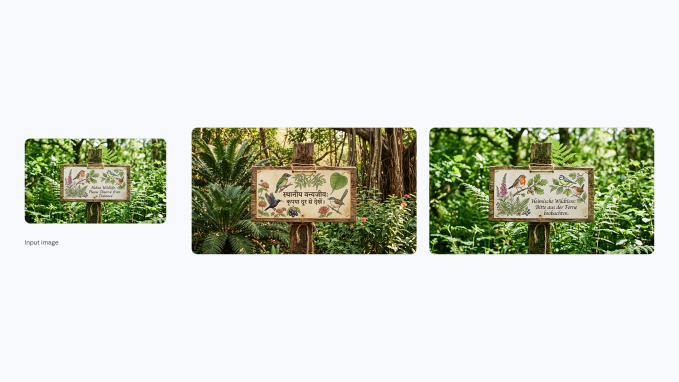
While Nano Banana 2 adopts the high-fidelity strengths of the Pro version released in November, it introduces significant technical improvements. Users can now generate images ranging from 512px to 4K resolution across various aspect ratios. Google highlights several key performance upgrades:
- Character Consistency: Maintains visual continuity for up to five distinct characters in a single workflow.
- Object Fidelity: Supports up to 14 objects, enabling more complex narrative compositions.
- Detail and Lighting: Delivers sharper textures, improved lighting, and better handling of nuanced, complex user prompts.

Broad Integration Across Google Ecosystem
The rollout extends beyond the core Gemini app. Nano Banana 2 is now the default for image generation in the Flow video editing tool. Furthermore, it is being integrated into Google Search results via Google Lens and AI Mode, covering 141 countries across both mobile and desktop platforms.
For those subscribed to Google’s higher-end plans, such as Google AI Pro and Ultra, the previous Nano Banana Pro remains accessible. Users can opt for the Pro model for specialized tasks by selecting it through the three-dot menu.
Developer Access and Safety Standards
Developers can access Nano Banana 2 in preview via the Gemini API, Gemini CLI, and the Vertex API. It is also supported within AI Studio and the company’s Antigravity development environment. To ensure transparency, all output generated by the model includes a SynthID watermark.
The model also maintains interoperability with C2PA Content Credentials. This industry-standard protocol, backed by companies including Adobe, Microsoft, Meta, and OpenAI, aims to verify the provenance of digital content. Google reports that since its introduction in November, SynthID verification has been utilized more than 20 million times.